DNA test revealed she was half-Icelandic. A 111-year-old shipwreck led her to family
The missing link in the mystery turned up in the form of a historian Yvette Holly found on Facebook

Growing up in Hull, Yorkshire, Yvette Holly didn’t know who her father was, and so she headed on a quest to solve the mystery. She could never have guessed that the answer to her mystery lay hidden in Iceland, inside discarded pieces of a 111-year-old shipwreck called Pamela. A DNA test and social media search connected her to a distant cousin who helped her get in touch with her first cousins. On August 2, 2026, in an exclusive interview with the BBC, she expressed the immense fascination she felt after Bari, her cousin, revealed to her the history of her ancestors’ fishing trawlers.
The search begins
It started when a DNA test piqued Holly’s curiosity. The test had revealed that she was half-Icelandic. So, she used a genealogy site to find the names of people she believed were her cousins. Posts on Facebook united her with a man of her age, named Barour Jon Grimsson a.k.a. Bari. She had noticed that both of them had a mutual friend, a historian named Alec Gill. Pieces of the puzzle started to connect when Holly realized that the answer to her mystery lay in this fishing trawler named Pamela that Gill had been researching for a long time. Meanwhile, Bari was also researching Pamela, believing that it was the same ship that was stranded off the coast of Iceland where his grandfather lived.
Clues in the century-old shipwreck
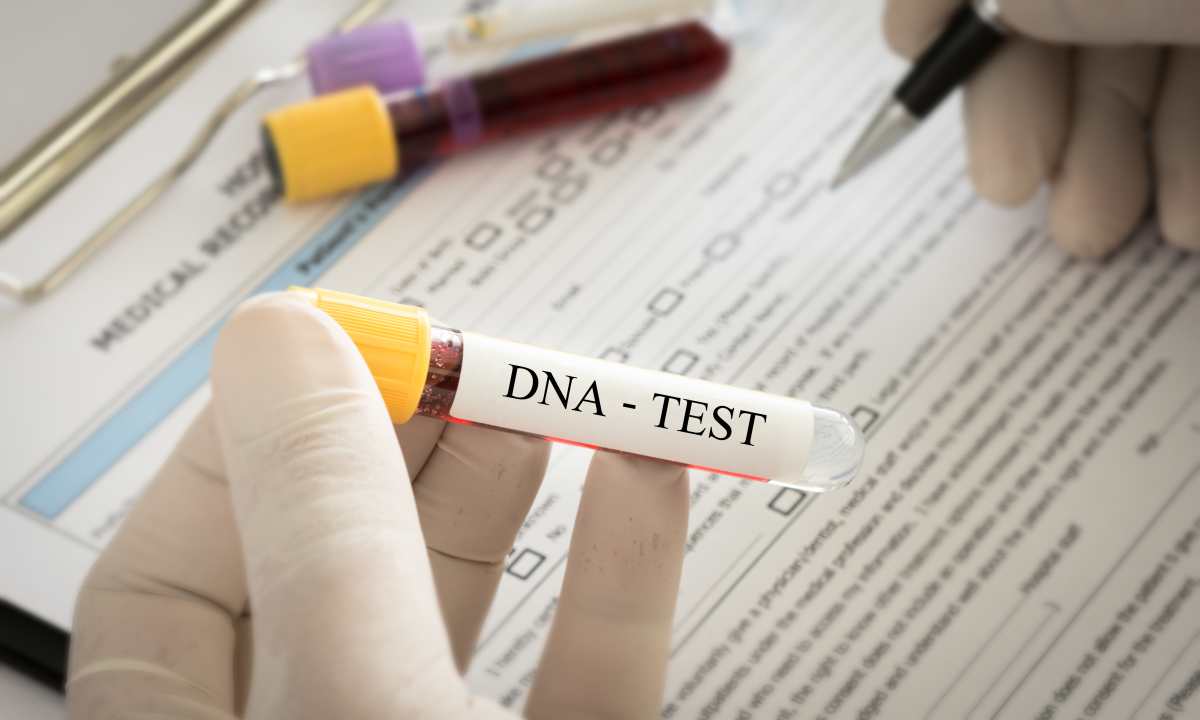
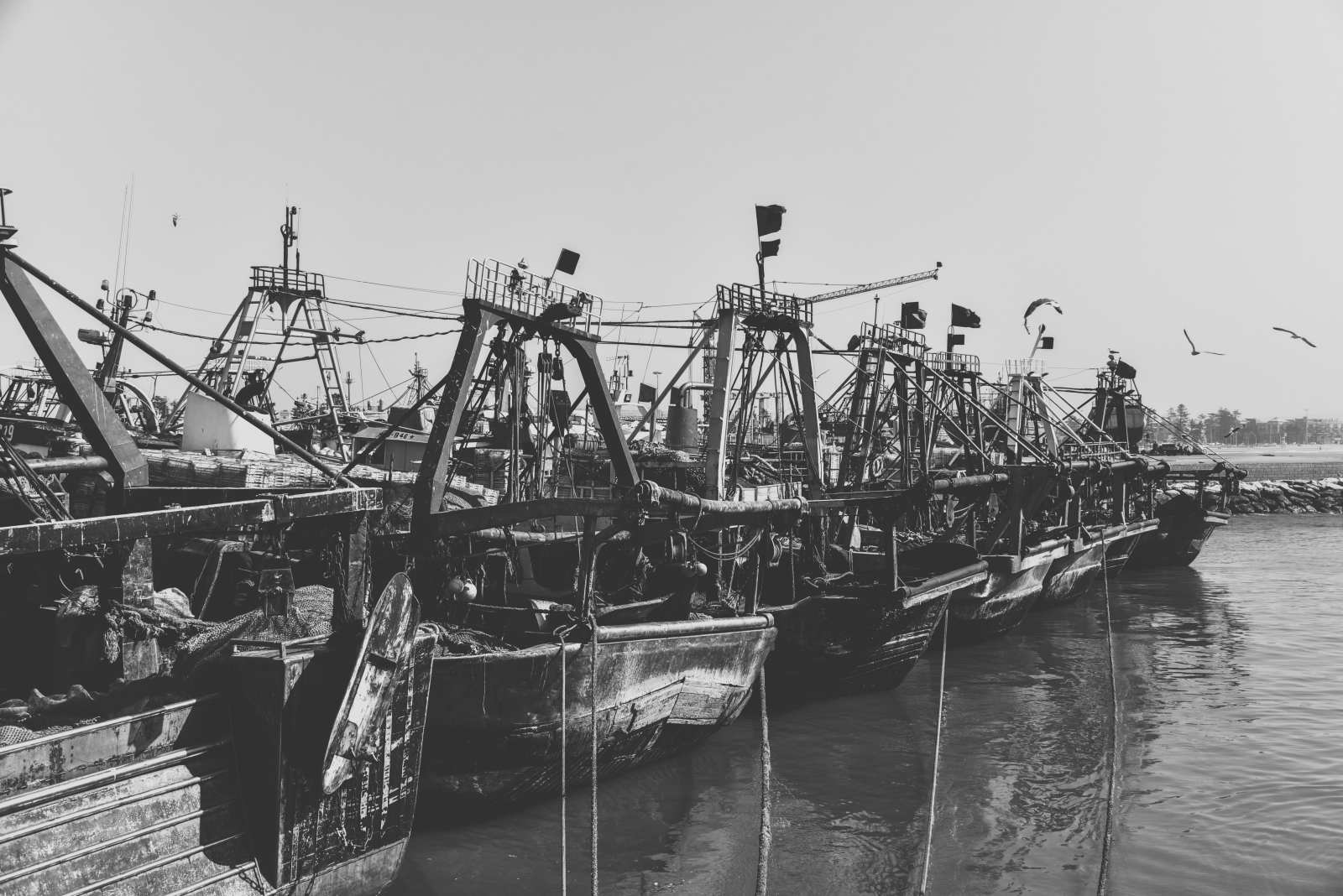
In 1915, Pamela got stranded in bad weather off the northwest coast of Iceland, so the 12 fishermen aboard had to abandon it. While they got out of the water, the ship lingered there, sank, and broke up over the years. But it was still in Iceland, and Bari used this fact as a clue to getting in touch with the legacy of his grandfather, who worked as a fisherman. Gill revealed that these fishermen often fished on the Dogger Bank off the coast of Yorkshire, but once World War One broke out, the trawlers had to go elsewhere. Iceland happened to be the most likely place. But since they weren’t built for the rough Icelandic waters, the ships often broke up.
More than a century later, Bari came across an outhouse where all these ancient pieces had been stowed away. There, he found a nameplate with “Pamela” embossed in shiny copper letters. His grandfather had bought it from a company that was collecting the stranded items from the fjords. At the time, it was sold for 4,000 Icelandic krona. The wheelhouse piece was accommodated in the grandfather’s garden room while the metal plating was utilized to make garden fences.
Reunion with the forgotten family
This shard of Pamela proved to be the missing link that connected Holly to the family members of her biological father, first with Bari and then with her other cousins. "I thought, 'Wow, what are the chances of that happening?'" She exclaimed. Holly reflected that there’s a lot in common between the histories of Hull and Iceland. "We lost 6,000 men over a couple of hundred years. That's a lot of men; that's a lot of families being brought up by their mum. In fact, a report by Bestey UK shared the story of another woman, 34-year-old Sarah Thompson, who grew up in Hull and turned out to be half-Icelandic following a DNA test.

Pamela might not be the only ship that was abandoned during that period. According to Triple Trawler Tragedy, 58 men lost their lives in three ships named St. Romanus, Kingston Peridot, and Ross Cleveland, after they sank in the winter between January and February of 1968. Another report by the BBC also estimated that more than 6,000 fishing trawlermen from Hull alone died between 1835 and 1980. "So we have the same story, just 2,000 miles apart. It's all about connections, strange, unknown connections," Holly mused.
More on Scoop Upworthy
Dad gets DNA test after finding daughter 'too pretty' — learns an unexpected secret
Woman takes a DNA test gifted by her son — learns she was swapped at birth 55 years ago
 Share on Facebook


