A tourist couldn’t believe what he got after a Tokyo train was delayed by 3 minutes
Japanese railways called this little delay 'unacceptable,' saying that the passengers deserved an apology


Railways are complex systems of interconnected tracks, networks, and schedules, so both technical issues and external disruptions can cause delays. In Japan, for instance, where trains transported roughly 22.61 billion people, slight delays are not unusual. What’s unusual is the way Japan Railways responds to these delays and how they communicate them to the passengers. A tourist (@BSAT_Properties) from Nigeria was shocked when he received an apology from Japanese railways after a train in Tokyo got delayed by 3 minutes and 20 seconds, as he shared in a post on X, which has since been viewed 3.3 million times since being posted on May 11, 2026.
I was on a train in Tokyo. We stopped between stations. Announcement in Japanese, then in English: "We apologize for the delay. We will resume shortly."
— BSAT Properties (@BSAT_Properties) May 11, 2026
The delay was maybe 3 minutes. Not a big deal.
When the train started moving again, another announcement: "We sincerely… pic.twitter.com/kJO3WJ98I3
Japan's commitment to punctuality
The tourist said that those 3 minutes were not a big deal, but the way they handled it made him develop a newfound sense of respect for Japanese railways. Initially, when the train stopped between stations, they made an announcement: "We apologize for the delay. We will resume shortly." If that wasn’t enough, they issued another apology when the train resumed. "We sincerely apologize for the delay. We were stopped for 3 minutes and 20 seconds. This is unacceptable. Thank you for your patience," the tourist shared in the post.
Delay certificate
Even passengers wouldn’t have registered that minor disruption as “unacceptable,” highlighting Japan’s ardent commitment to punctuality. And that wasn't all — the man recalled that once he arrived at his stop, he saw station staff bowing and handing out delay certificates. "I took one out of curiosity. It was an official document stating that the train had been delayed by 3 minutes and 20 seconds, signed and stamped," he said.
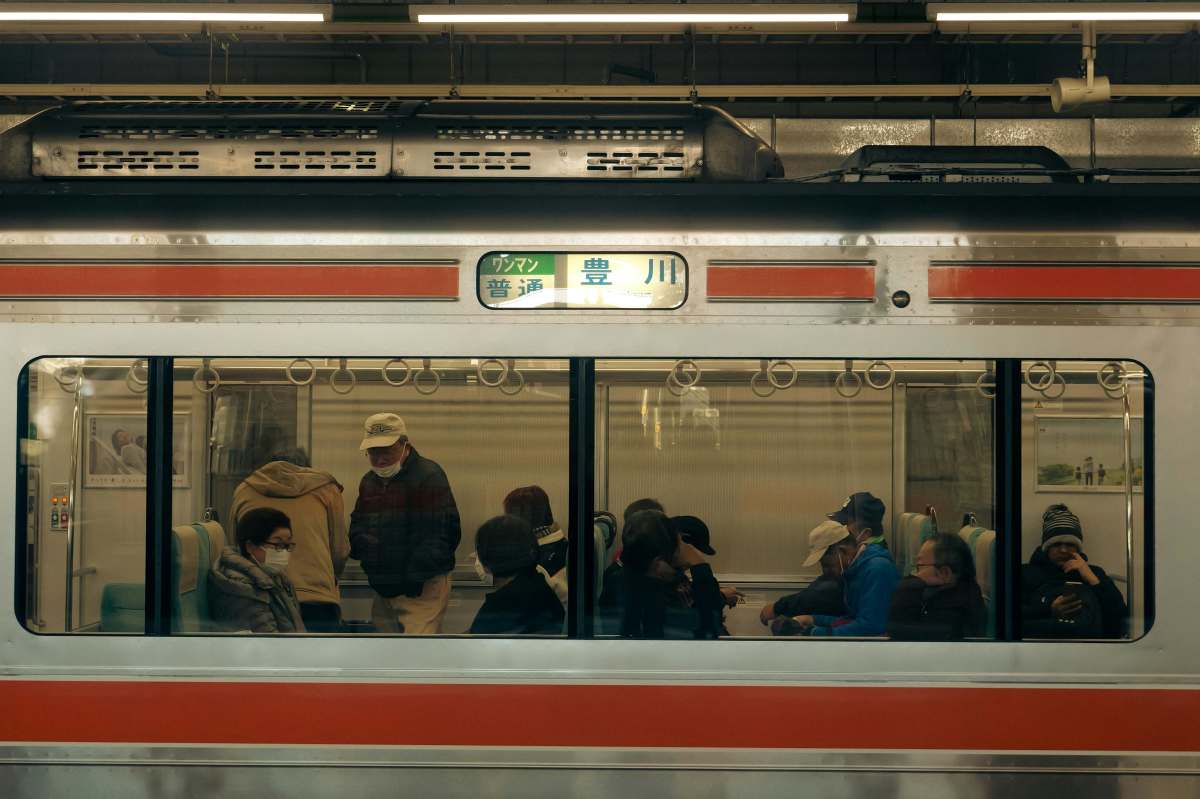
Giving employees a valid excuse
A staff member told him in English that the certificate was supposed to be handed to the employers, who would know that the delay wasn’t the passenger’s fault. By treating a mere three-minute delay like a major incident, they only raised the bar for travelers. Even though the man was just a tourist and didn’t need to show proof to his employer, the staff member insisted on giving him a certificate. "But the delay affected you. You deserve an apology," they said.
The norm
When the tourist shared the incident with a Japanese friend, he told him that these certificates are quite normal in the country. If the train gets delayed, the company examines the cause behind the delay and works on fixing it. “I kept the certificate. It's framed in my apartment now. A reminder that somewhere in the world, people care about three minutes,” the man fondly said.
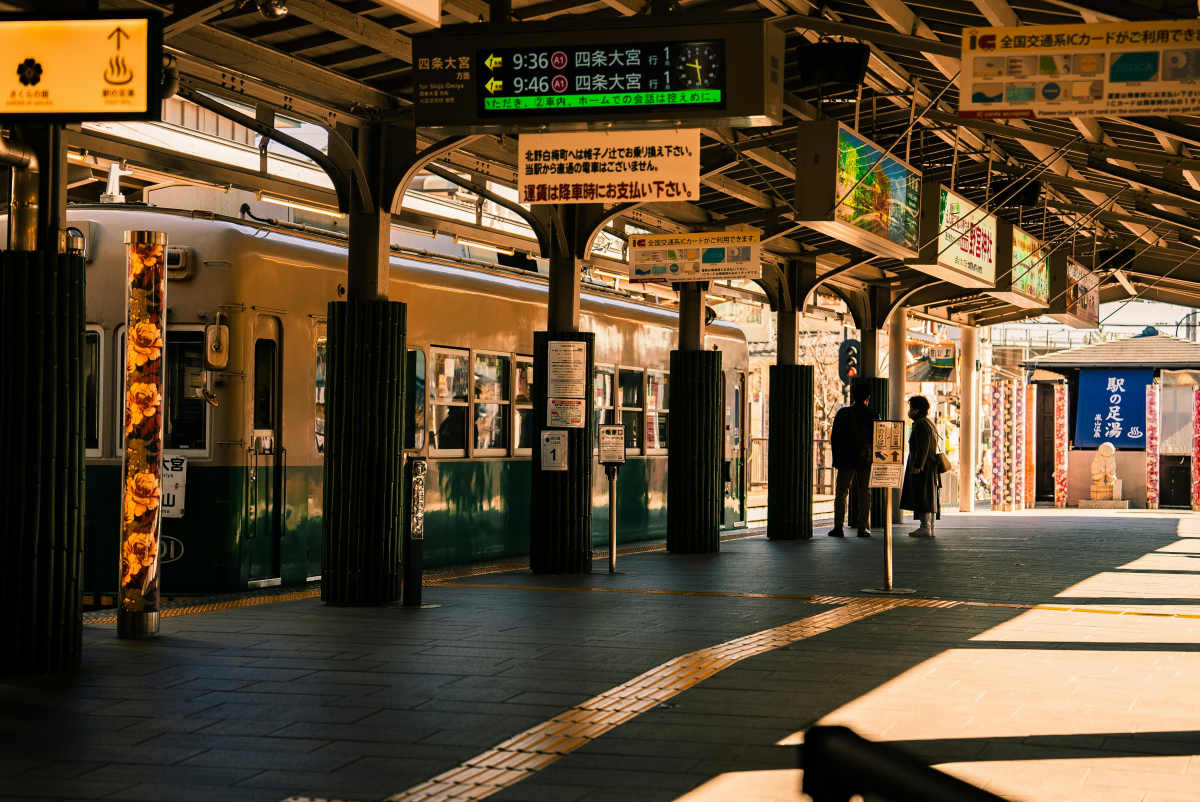
According to the East Japan Railway Company, which manages this Tokyo train network, trains on the Japan Railway’s East lines can experience delays of approximately five minutes or more. A delay certificate certifies the maximum delay time incurred on the route, but doesn’t serve as proof of a person’s boarding. A report published in the Journal of Transportation Technologies stated that the trains usually get delayed during rush hours. Additionally, in 2016, the number of days in which train delay certificates were issued during a period of 20 weekdays in 2016 was a maximum of 19.1 days and a minimum of 1.4 days, according to the Ministry of Land, Infrastructure, Transport and Tourism.
What do people think about it?
The Japanese understand that the one true non replaceable commodity is time!
— antonyjohn (@antonyjohn) May 12, 2026
I was told years ago that when the bullet trains fall 90 seconds behind schedule all hell starts to break loose & the system treats this as an emergency.
— Roger Strukhoff (@IoT2040) May 12, 2026
More than 2,400 social media users commented on the man’s post, expressing respect and praise for Japan’s railway companies. Calling them the “owners of ‘Just-in-time’ philosophy,” @nkemdk said, “That's why everything works with precision in Japan.” @altcoinjason remarked, “Japan is awesome, I had a delay of ~20minutes, in fact, delays are pretty common in the two weeks I spent there, and all were due to ‘technical difficulties.’ Still one of the best systems in the world.”
You can follow @BSAT_Properties to stay notified of their posts.
More on Scoop Upworthy
Man lists 22 things the US can learn from Japan and people are fully on board
Japan's roads never freeze thanks to mind-blowing tech straight out of a science fiction book
Dad explains why kids in Japan have a lot of freedom and are encouraged to be independent
 Share on Facebook


