Insurance refused to cover a patient's chemotherapy, so she emailed the CEO one question about the company's PR — and got approval in 14 hours
Going back on standard chemo felt crushing, especially given the threat to Elizabeth Nicholas's career, who is an accomplished writer

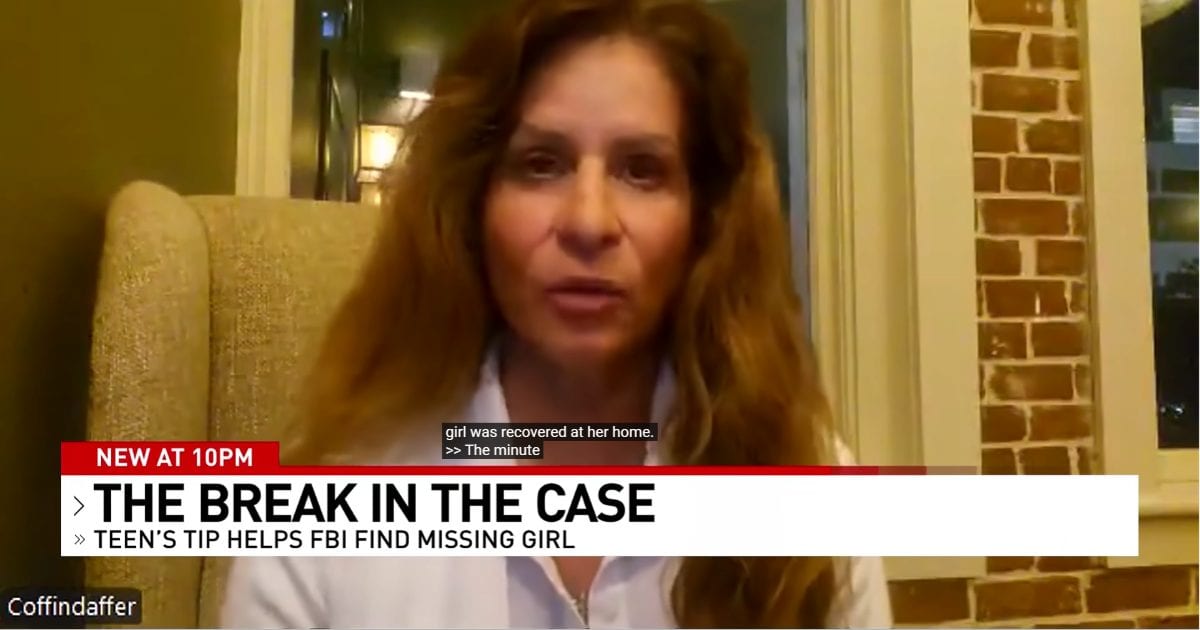
When New York-based writer Elizabeth Nicholas was diagnosed with breast cancer in October 2023, she knew she had a difficult road ahead. However, she never expected that getting her health insurance provider to cover a treatment recommended by her doctors would become another battle. Her ordeal, which eventually took an unexpected turn, was highlighted by NBC News (@NBCNews) on November 6, 2026, which quickly pulled in 297,415 views and 2,900 likes.
A devastating news
Nicholas, an accomplished writer whose work has appeared in The New York Times, New York Magazine, and Vogue, first learned that a lump in her left breast was cancerous in October 2023. Facing an uncertain road ahead, she wanted clarity from her physicians: “If I do what the doctors tell me, will I be okay?” She felt grateful for their reassurance, recalling, “I was very lucky that the answer to that was yes.”
Physical and mental toll
Her initial round of traditional chemotherapy at Memorial Sloan Kettering took a heavy physical toll, triggering intense nausea, nerve tingling in her hands, joint pain, and complete hair loss. After she had a mastectomy in April 2024, her oncologist recommended switching to a gentler chemo combination to ease those harsh reactions. Her medical team submitted the paperwork for prior authorization, only to have the process abruptly halted mere hours before her scheduled appointment. A nurse informed her that the carrier rejected the request, claiming the specific medication pairing fell outside National Comprehensive Cancer Network guidelines. Soon after, her doctor called her and said, “I'm so sorry, but they are not going to approve this treatment.”
In a personal essay published by Vanity Fair on September 9, 2026, Nicholas revealed that paying for the milder chemotherapy herself would have meant losing insurance coverage for her targeted therapy, which cost $18,000 per dose for 18 cycles. With nearly a month already lost to appeals, she grew desperate. “Can you tell them I’m threatening to refuse further care?” she asked her oncologist, who replied that doing so would be cheaper for the insurer.

The power of the pen
Afraid of a potential backlash from her provider, Elizabeth chose not to publicly identify the company. Still, the idea of returning to aggressive chemotherapy felt devastating, especially because nerve damage threatened her ability to work. When asked what frightened her most, she pointed directly to "the functionality" of her fingers given that she is a writer. “Writing is my purpose. And the prospect of losing that was terrifying," she said. Unwilling to accept defeat, she decided to use her media background as leverage and emailed the insurer's CEO and communications director directly, introducing herself both as a breast cancer patient under their plan and as a writer working on the essay about her treatment.
She requested an official quote for her story, later explaining her mindset: “I thought, well, the one thing that I believe that I can do is to ask the CEO of this company, 'Why do you believe that this is appropriate?'" By bringing the insurance company's decision to public attention, she gained the upper hand. “I made it expensive for them to continue denying me,” she noted. “Suddenly, in a situation where patients are expected to have no power and to feel no power, I had a chance of having some form of power to respond with.” The strategy worked almost overnight. Within 14 hours of sending the message, the company's chief medical officer replied to confirm the treatment was approved.

The ones who suffered
Elizabeth’s distressing story reflects a widespread systemic problem across the nation. According to The Commonwealth Fund, 21% of working adults in the U.S. with private insurance have reported that they or a family member has experienced a denial of doctor-recommended care. 28% of patients reported that their health condition actively worsened as a direct result of the delay caused by the denial. Moreover, 63% of affected individuals reported that receiving a prior authorization denial caused them significant worry and emotional anxiety.
'We don't hate insurance executives enough'


The comment section erupted with collective outrage toward corporate healthcare practices. @Sardavolpe wrote, "We don't hate insurance executives enough." Meanwhile, @visceratrocar observed, "The fact that she's a journalist is what mattered. Insurance doesn't care about patients."
More on Scoop Upworthy
 Share on Facebook