Influencer was accused of ghosting a brand after promising a video in exchange for free clothes. She was confused — until the FBI came knocking
Lauren Kobayashi Riihimaki thought a weird brand email was a mistake until it became an FBI sting operation


Social media can feel like a harmless catalog of curated aesthetics, lifestyle vlogs, and brand sponsorships, but beneath this polished feed lies a much more unsettling reality. This exact dark side of the internet blindsided digital creator Lauren Kobayashi Riihimaki (@laurdiy) when fashion powerhouse Pretty Little Thing reached out to her, demanding a sponsored video she had never agreed to make. Stunned and shocked by this, she decided to dig deeper, only to find out something completely unexpected. She shared the entire incident on June 12, 2026, in a clip that has since gained 850,000 views.
The unsuspected DM
Riihimaki realized something was wrong when she got an unexpected message from Pretty Little Thing. The company demanded a sponsored video she had allegedly been paid for and legally contracted to deliver. Confused and highly stressed, Lauren requested the email logs. She quickly then discovered that an unknown individual had forged an entirely fake email account under her name, successfully signed corporate agreements, and pocketed both the merchandise and the payouts without her knowledge.

The FBI knocks
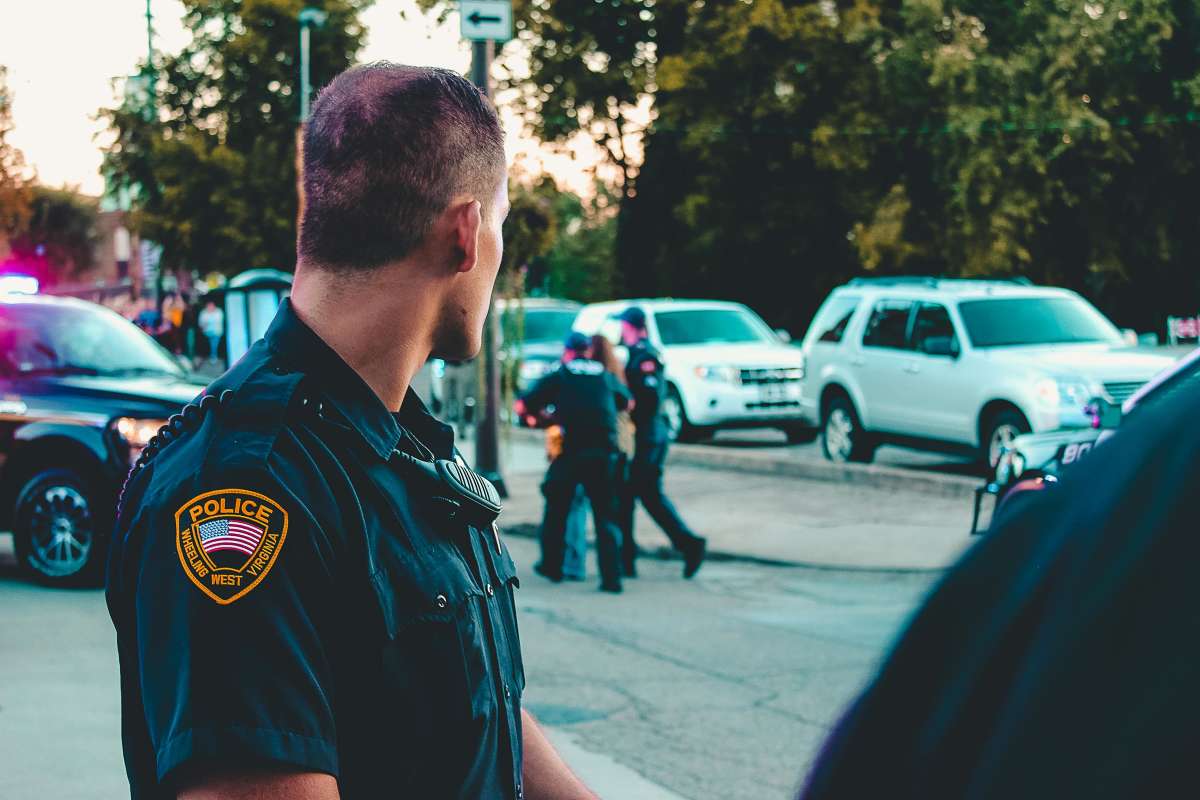
What Lauren assumed was an isolated incident and forgot about took a staggering turn just a few months later when two federal agents knocked on her door. "My husband called throughout the house like, 'Hey, Lauren, the FBI is here and wants to talk to you,'" she recalls. The investigators revealed that she was far from the only victim. In fact, the agency had been actively tracking a massive, highly sophisticated operation that crossed into federal wire fraud territory because it had been targeting international fashion houses.
A massive operation
As the federal investigation unfolded, the true scale of the scheme came to light. Operating right out of Los Angeles, the perpetrator was not just targeting Lauren, but was systematically skimming other brands such as Fashion Nova and British label House of CB. The scam artist had built an entire illicit network, using the stolen clout of multiple influencers to secure thousands of dollars in high-end clothes and cash advances while leaving the actual creators to take the blame. But even that wasn't all, as the scammer also ran counterfeit return schemes against retail giants like Target and apps like DoorDash.
The legal resolution
It wasn't until six years later, in 2025, that Lauren received a formal notification regarding potential court testimony. However, she later admitted that "nothing really came from that." That's because the legal saga ultimately wrapped up through public court filings. The LA-based mastermind eventually pleaded guilty to multiple counts of wire fraud and identity theft. The case officially concluded with the defendant receiving 60 months in prison and a strict order to pay back a whopping $1 million in criminal restitution.

A growing epidemic
The terrifying ease with which Lauren's and other influencers' digital identities were hijacked by this person reflects a massive nationwide spike in deceptive online activity. In fact, according to the Federal Trade Commission, in 2025 alone, consumers lost a whopping $3.5 billion to imposter scams. What's truly shocking is that this is a threefold increase since 2020. Business and influencer impersonation schemes now account for roughly $1 billion of those total corporate losses, highlighting how everyday online presence is increasingly being exploited.
This is wild


Nonetheless, the people couldn't believe what happened with Lauren, as they were surprised. @tatum.alyssa noted, "Hey so this is CRAZY LAUREN HAHA so glad you’re safe, but this is wild wow." At the same time, @chelseakobo wrote, "The FBI showing up is traumatizing honestly; they wrongly served a warrant to my family’s house when I was 10. Lol big mistake."
More on Scoop Upworthy
Parents use son's name to open credit card to fund vacations leading him to bankruptcy
 Share on Facebook


