Cherokee girls fought 18 months for Oconaluftee river’s legal rights and finally won
The NAIWA Daughters, the youth wing of the North American Indian Women’s Association, started by advocating for salamanders but ended up making history.

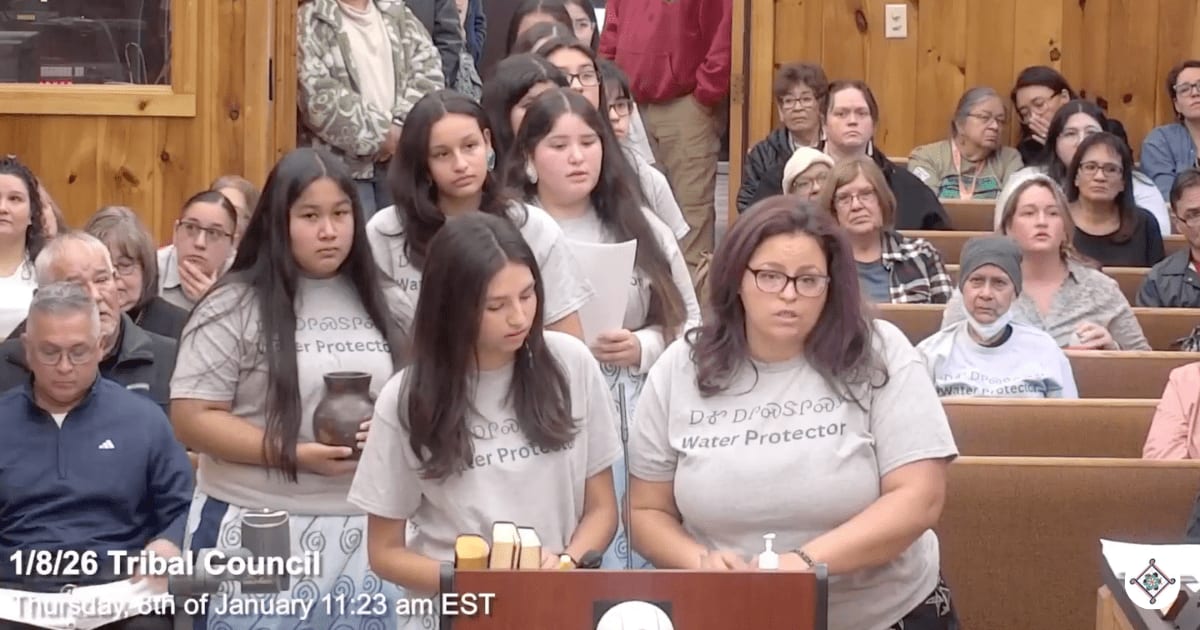
What began as an afternoon of river tubing quickly turned into a quiet reckoning for a group of Indigenous girls in Cherokee. They watched visitors casually rearrange river stones, unknowingly dismantling the fragile homes of eastern hellbender salamanders beneath the current. Rather than looking away, the NAIWA Daughters, the youth wing of the North American Indian Women’s Association, consisting of girls aged 10-17, decided to take matters into their own hands. Over the course of the next 18 months, the girls rallied their community behind a bold legal proposition, something the United States has never witnessed before, as reported by Mongabay on September 3, 2026.
Turning to the roots
The spark that was lit during that warm afternoon led the girls to attorney Britt Gondolfi from the Bioneers Indigeneity program, whom they met at the 2024 Indigenous Environmental Network Conference. He brought the girls into a dedicated environmental training track. Though the girls had originally focused strictly on safeguarding the salamanders, Cherokee elders stepped in with a deeper perspective. They guided them toward the foundational ecosystem that supported all aquatic life: the Oconaluftee River. "The young women behind this law didn’t AI themselves into this historic moment. They consulted with elders, lawyers, experts in the field, and culture keepers," Gondolfie noted.
Eighteen months of hard work
Embracing their ancestral wisdom, the girls then turned their focus to saving the sacred river system itself. However, passing a formal tribal measure required grassroots momentum. So, the young advocates spent the next year and a half hosting community meals, polling tribal members, running outreach tables, and even meeting face-to-face with council members. "I have watched them give everything to this, showing up tired, overwhelmed, and emotional, sacrificing school breaks and weekends, and still fighting for our sovereign rights to be Cherokee," said Jasmine Smith, chair and co-founder of NAIWA Daughters.
Triumph in the chamber
On January 8, 2026, the girls filed into the Eastern Band of Cherokee Indians Tribal Council in Cherokee, North Carolina, carrying mountain headwaters inside handmade earthenware pottery to place the living water right beside them. "Do we see nature as something we own, or do we view it as something we have the responsibility to protect?" Kyndra Postoak, the group’s Rights of Nature project lead, said.
With supporters overflowing out past the doorways, the council granted the waterway five core inherent rights. These included the right to exist and regenerate naturally, to remain unpolluted and free of invasive species, to shelter wildlife, to flow without hindrance, and to stand legally defended under tribal sovereignty.
There's a lot to be done
People aren't satisfied with the government's efforts regarding environmental protection. According to a Pew Research Study, 63% of Americans feel that too little work and effort is being put into preserving lakes, rivers, and streams. This isn't much of a surprise, especially after hearing the inspirational story of these girls, and it comes despite 54% of people considering the pollution of these water bodies a moderate to big problem. This number climbed up to 67% when people were asked about preservation in their own localities.
Beyond the sacred vote
Following the victory, the girls brought the river vessel down to the river to finish a sacred offering. However, this wasn't the end. Within weeks, the tribe passed a follow-up resolution committing to fund the demolition of the century-old Ela Dam, clearing the blocked corridor for the sicklefin redhorse fish. Furthermore, the young women formed an ongoing monitoring task force and prepared educational workshops to share their blueprint with other Native nations.
You can follow NAIWA Daughters (@naiwadaughters) on Instagram to get updates about their projects.
More on Scoop Upworthy
Thames Water dumps sewage in this river legally. He cleaned it up, now he faces jail
Fortnite's owner is quietly buying up American forests for an unsual reason
 Share on Facebook