Woman's grandma warned her about the '5-year-stranger' theory and it changed her life completely
'People flow in, people flow out, and you don’t get to control who stays...'


Darlene (@regenesis_spinalflow), a nervous system practitioner from Canada, used to spend a lot of energy "trying to be liked" and prioritizing them over her own self, until her grandma told her about the "5-year stranger theory," which changed her perspective entirely. Her grandma explained to her how every person she knows now might become a stranger in only five years; they might not disappear, but they also won't be around her — and it's given us one of the biggest lessons adulthood teaches. Darlene posted the tale on her Instagram profile on January 6.
Almost everyone, including her coworkers, neighbors, and people for whom she constantly changed herself, would be gone from her life, Darlene's grandma told her. "That’s how life works. People flow in, people flow out, and you don’t get to control who stays," she explained. When Darlene heard her grandma enlighten her about the 5-year stranger theory, she was in awe of the profundity. She immediately questioned herself for all those times she'd said 'yes,' even when every bone in her body wanted to disagree. "If so many people are only here for a chapter, why do we build our lives around keeping them comfortable?" Darlene asked. She urged people to invest their time and energy where it truly matters: build a life that feels good to you, and not necessarily to others, "...because in five years, they might be strangers again, but you’ll still be here," she added.
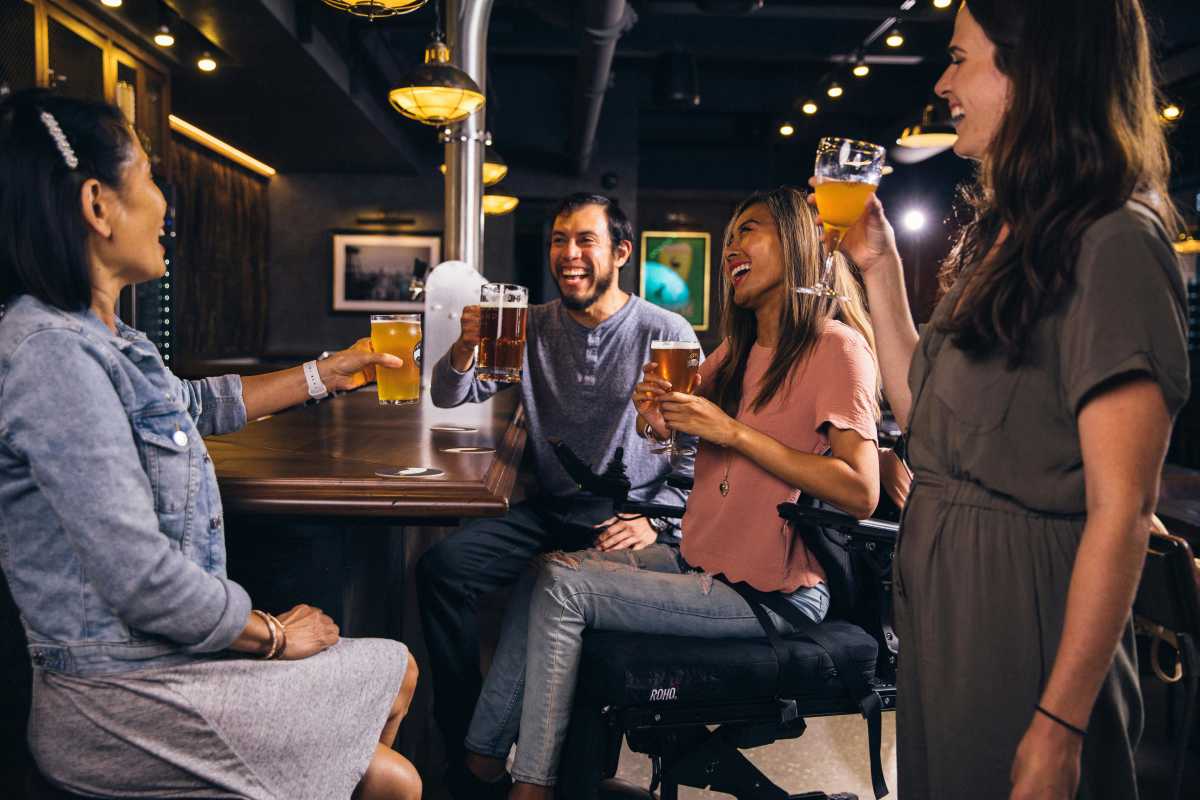
People often try to mold themselves to fit into the so-called society; they're always cautious about how they're perceived, and having good terms with others becomes their priority. A YouGov poll found that 93% of Americans report engaging in at least one people-pleasing behaviour "somewhat or very often," such as prioritizing others’ needs over their own or avoiding conflict. Moreover, 29% of Americans say they very often go to great lengths to avoid conflict, while another 42% say they do so somewhat often. When it comes to putting others first, 24% say they very often prioritize other people’s needs at the expense of their own, and 45% say they somewhat often do this.


Meanwhile, reacting to Darlene's post, @floridahikerchick commented, "Yes, people come in and go out of your life… It’s like a train ride. Some get off at the next stop, some stay on for a long while then get off… and some (very, very few) stay on for the entire ride." Similarly, @ladybugbetsy52 shared, "Stop for a moment and thank God for every single, solitary person who has passed through your life from Day 1. Each one has left a piece of themself in you in their own way. It’s how we develop who we are. The good ones stay; the not-so-good ones go their merry way into another life. Be a good one in someone’s life. It’s how you make lifelong friends." @jean.5291 wrote, "People come into your life for a reason or a season. Someone who sticks around after that, you can count as a true friend because that takes time and energy."
You can follow Darlene (@regenesis_spinalflow) on Instagram for lifestyle content.
More on Scoop Upworthy
Reforming people-pleaser explains why he believes being 'nice' to everyone is ruining lives
Mom teaches her son to not be a 'people pleaser' — and all parents should take notes
Women share 25 outdated things society expects them to do and say why it needs to stop
This article originally appeared 1 month ago.
 Share on Facebook