Google AI uses kids' hobbies to personalize their textbooks, and Gen Alpha might finally pay attention
The tool transforms the personalized content into multiple formats: audio lessons, quizzes, and mind maps.


Is there anything that Artificial Intelligence (AI) cannot do? We don't think so! After conquering almost every other industry, AI has now shifted its focus to education. Well, Google has invented a brilliant solution to hold students' attention while teaching them in a way they like. Yes! That's right! Google has built a tool that uses AI to rewrite textbooks without making them boring. Parthknowsai (@parthknowsai), an AI engineer based in New York, explained the new "Learn Your Way" tool in a video he posted on Instagram.

Textbooks written years ago may not include relatable examples, leaving students confused. Since all students have different levels of understanding, the textbooks also might not be beneficial for all. However, with the new tool, it's no longer a problem. Using "Learn Your Way," students only have to inform the model of their grade level and their interests. "It could be anything. Basketball, gaming, music, whatever you're into," he explained. Once this is done, the system runs into a two-step transformation. Step 1: The tool rewrites the lesson, using the user's interest-related examples. Step 2: The tool transforms the personalized content into multiple formats: audio lessons, quizzes, and mind maps. It is also interesting because once the student completes a particular lesson, they can test their understanding in several ways.
To analyze if the tool is actually working, Google experimented on 60 high school students (ages 15–18) in Chicago. While half were given regular textbooks, others were given personalized content. The students were then given 40 minutes to learn about adolescent brain development. The team conducted two assessments, one immediately after the study session and the other 3–5 days later. Consequently, it was revealed that those with personalized AI content scored much higher than the others. In fact, 100% of students were more comfortable using the tool. "When new information connects to something you already know and care about, you create a stronger neural pathway," Parthknowsai said.
Meanwhile, reacting to it, @gyratingancestors commented, "THAT is a fantastic example and a huge check mark in the AI engineering category. What it means for humanity is immensely significant." Similarly, @itsliannebaron commented, "I actually cried a bit reading this. For every kid who ever doubted themselves because they 'just couldn’t understand,' defended their desire to learn, lived in fear of how their parents would react, or quit before even trying ... thank you for this. AI used in the most wonderful way, meeting people where they are."
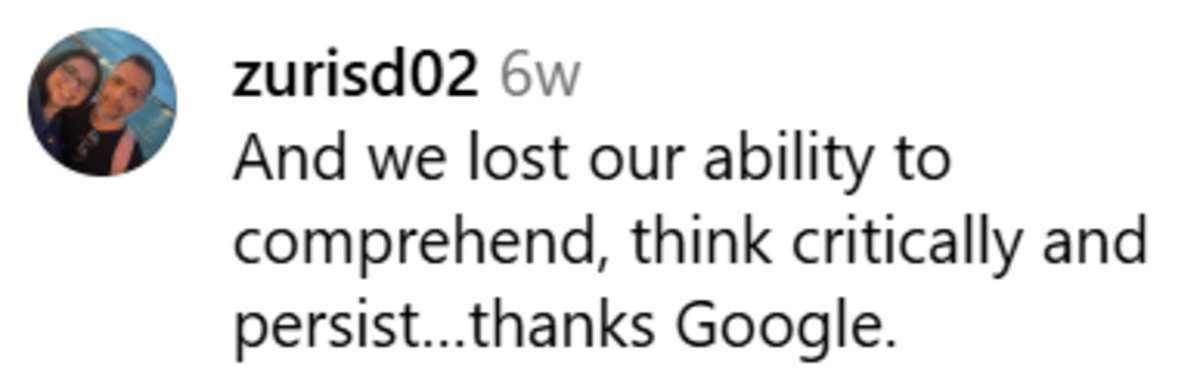
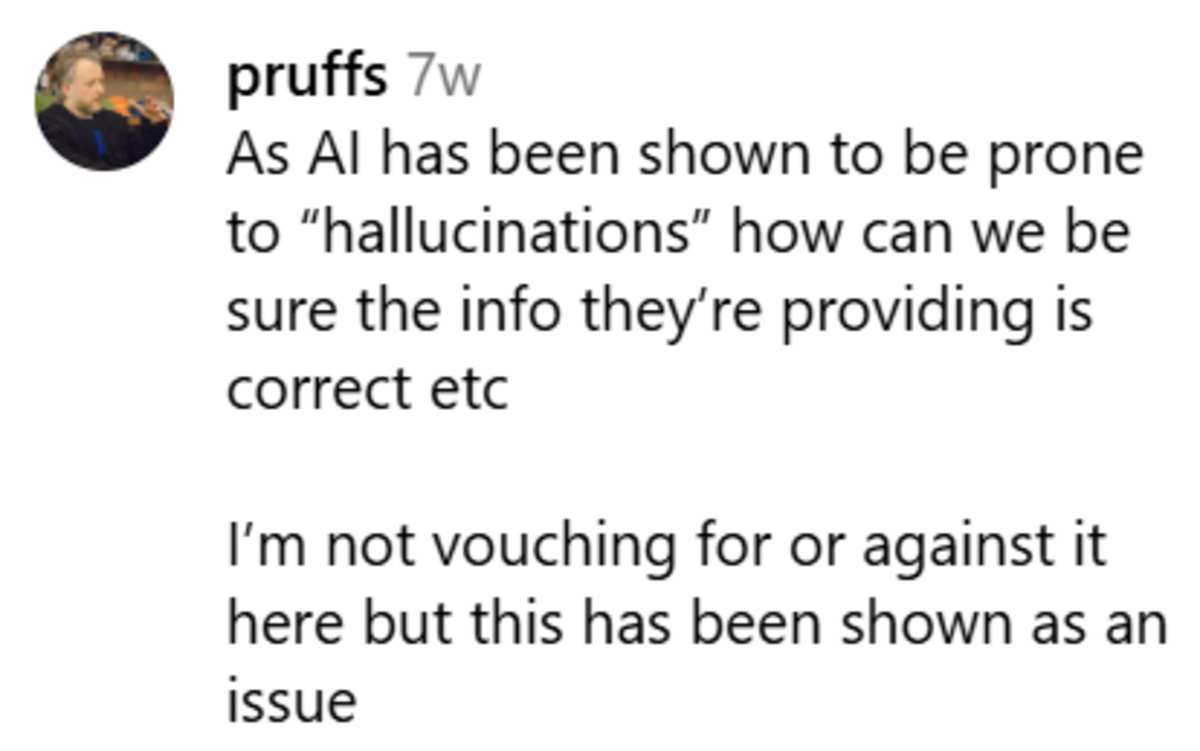
However, some people don't believe that this advance in AI is beneficial and that it would do more harm than good. For instance, @abug pointed out, "Life doesn’t work like this. This is why people have intolerance for each other and anxiety. The real world doesn’t bend to their needs or desires. Why would we teach this?" @saraldp commented, "That's great, but we need to make sure that the AI is not changing the content and inventing a new Newton's law. That's a real risk with AI right now." @chitchat.engleski asked, "Do we really need to make everything fun for the kids? It is totally ok to do something even if you don't love doing it. I wonder if life will adapt to their interests once they get out of school." @andre_nazur wrote, "When properly trained, the brain is capable of learning in all forms. We don’t need to adapt the environment; our brains are fully equipped to process information in its original form."
You can follow Parthknowsai (@parthknowsai) on Instagram for more Artificial General Intelligence content.
More on Scoop Upworthy
Artist comes up with an interactive card game to teach children about human rights
Third-grade teacher reveals why she charges her students rent every month and it's impressive
Sweden swapped books for computers in 2009. Now, they're spending millions to bring them back
 Share on Facebook