Game developer reveals 'SimCity' is actually as a 'training camp' for life
'SimCity' is a masterclass in urban planning with plenty of things to learn and replicate in real life


For decades, the cultural conversation around video games has been that they are nothing but a digital breeding ground for mindless violence and addictive escapism. However, that couldn't be further from the truth. That's because tucked away in the pixels of 1989's SimCity was developer Will Wright's philosophy of urban planning that borders on utopian idealism. He didn't just create a game; he engineered a sandbox for civic virtue. In Adam Garcia's observations on MSN, one finds particular delight in the 'gaming' surprises he published on April 11.
He was quietly advocating for the kind of communities where people might actually want to live, work, and raise families. In other words, Wright was quietly pushing players toward a philosophy of communal harmony. The game is a nuanced city-building simulation that goes far beyond its basic use case. If you have ever played the game, then you'd know that in SimCity the path to success isn't paved with huge buildings or roads but with intentionality. This stimulation rewards the nuances of mixed-use development and efficiency in public transit.
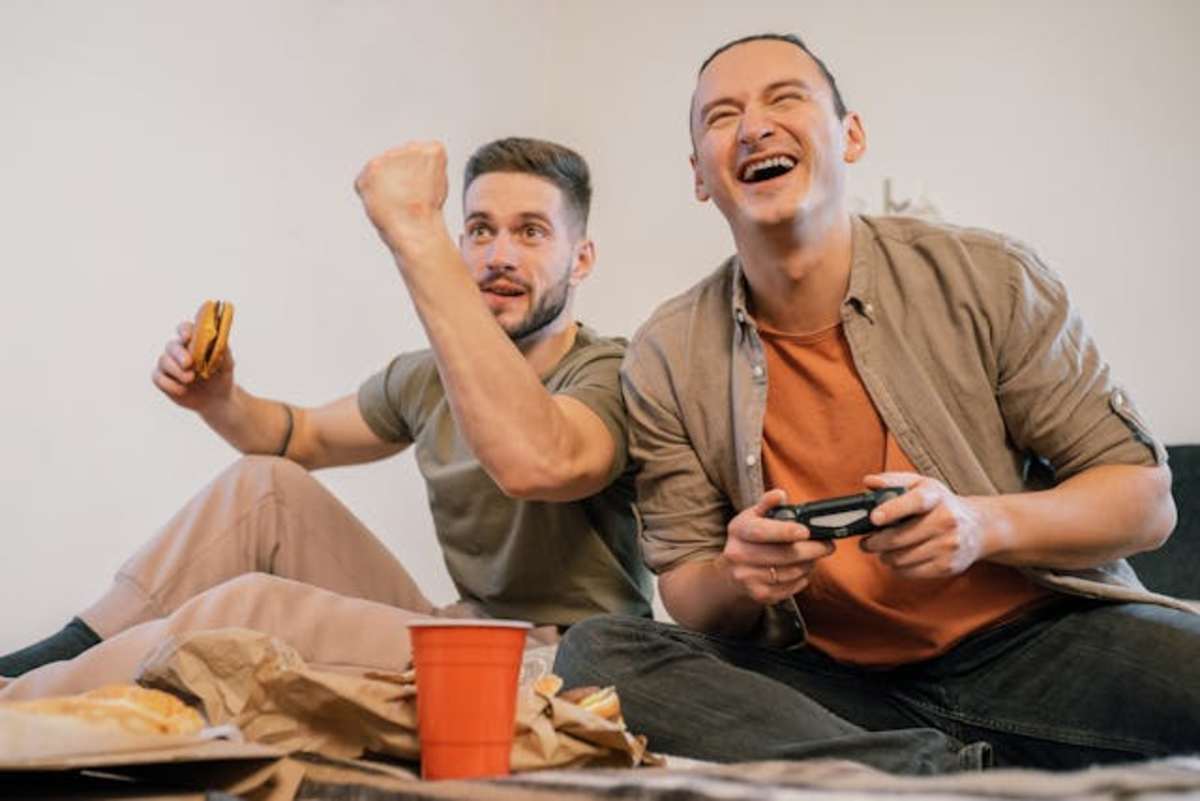
Rather than a cold management tool, the game promotes the "live-work-play" ecosystem that modern urbanists strive to replicate in reality and by all means should. In fact, even the game's disasters teach us to stay optimistic. Fires spread slowly enough that you can usually contain them; earthquakes create space for redesign. Even an attack from Godzilla leaves you with a chance to rebuild better, much like in real life, where one bad moment or bad incident doesn't define your story. The choices you make, the people you trust, the life events you undergo as a result of your choices... SimCity is about uncovering your true character.
This should help illustrate why SimCity was such a hit and sold over 1 million units on SNES by 1992, after its initial launch in 1989, as per Wikipedia. However, that's not it. The game's second edition took things further up a notch, recording 1.1 million units sold through just the first two weeks, according to EA's official website. Nonetheless, while there's no doubt that SimCity was a massive hit, it wasn't the only game that helped its players learn something valuable.
For example, games like Pac-Man also had their own Easter eggs, which opened minds. The four ghosts chasing you in the game aren't randomly running. Each of them has a behavioral pattern that creates what feels like a personality. "Blinky is aggressive and direct; Pinky tries to ambush you; Inky is unpredictable," an MSN article states. Interestingly, they even have names in Japanese that reflect their personalities.
At the same time, even fighting games like Street Fighter II, contrary to what many might think, promoted respectful competition. From Ryu and Ken's fighting stances based on actual karate forms to Chun-Li's moves being referenced from traditional Chinese martial arts. It seems like this is the reason why the fans want games like these to return. "Friggin loved that game. Idk how many times I started over using different maps and rezoning. Also that Bowser comes out to destroy your city as Godzilla," Jim Worley wrote.


"Wish they’d remaster this game for newer consoles. I used to love this game when I was a kid," Marcus Robin commented. Meanwhile, Clayton Llewellyn had pure nostalgia. "I had this. I remember getting a really stable city going and then leaving it running while I went to school," he wrote.
More on Scoop Upworthy
'90s video games like 'Mario Kart' were better for children’s brains, mental health counselor claims
Man finally meets online buddy after eight years of online friendship and gaming: 'My brother!'
 Share on Facebook