A single photo of Mt. Everest made Gabriel Basso quit social media
‘Wait, what? Why do I now know what that looks like?' the celebrity asked himself.


Even the most elite and popular celebrities struggle with doomscrolling. The addictive act is hard to let go of and takes up hours of our day, every day, to a point where it has concerning effects. Actor Gabriel Basso admitted that he, too, was caught up in the web of scrolling social media for hours on end until one picture changed everything. Appearing on The Tonight Show starring Jimmy Fallon, in a glimpse shared on February 4, “The Night Agent” star revealed that, although he made the “instantaneous” decision to delete Instagram, it came after a serious reflection that stemmed from the picture of Mt. Everest he spotted on the app itself.
As Basso was scrolling as usual, he came across someone’s post on Mt. Everest and took a quick second to admire it. The very next moment, he found himself frustrated. "And then I stopped, and I was like, ‘Wait, what?’ Why do I now know what that looks like?” he recalled. Basso revealed that the person who snapped the picture got the view at a cost. “He stepped on literal bodies to get there,” he noted. On the other hand, he was there, sitting on his couch and scrolling past it like it was nothing but a nice picture. It seemed unfair and cruel. According to the actor, he didn’t want to get the picture in his head for free.

"It bothered me that I had that image in my head now without any effort to earn that visual. And I was like, ‘Dude, screw this whole platform,’” Basso remarked. It was then that he decided to delete the entire app. He clarified that if he wanted to earn experiences and not just view them from a screen, he would feel so many emotions. Moreover, he didn’t want to “be in anyone’s business.” Basso even mentioned that he took on more authentic experiences like skiing with a friend, getting a view firsthand, along with the journey that came with it. Doomscrolling has been taking over all age groups across different platforms over the years.

According to a study published in 2023, addiction is the “most negative impact” of social media. Be it Facebook, Instagram, Twitter, or any other platform, it consumes time, and without knowing it, our focus and attention are taken away from important things that matter, such as work, school assignments, or even basic bonding with family and loved ones. In addition to rupturing our daily lives, it also brings safety threats. Fake profiles and posts leave a mass audience with the wrong influences; the apps, created for networking, are often wrongly used to stalk and threaten people, and these are just a few instances noted in the study.
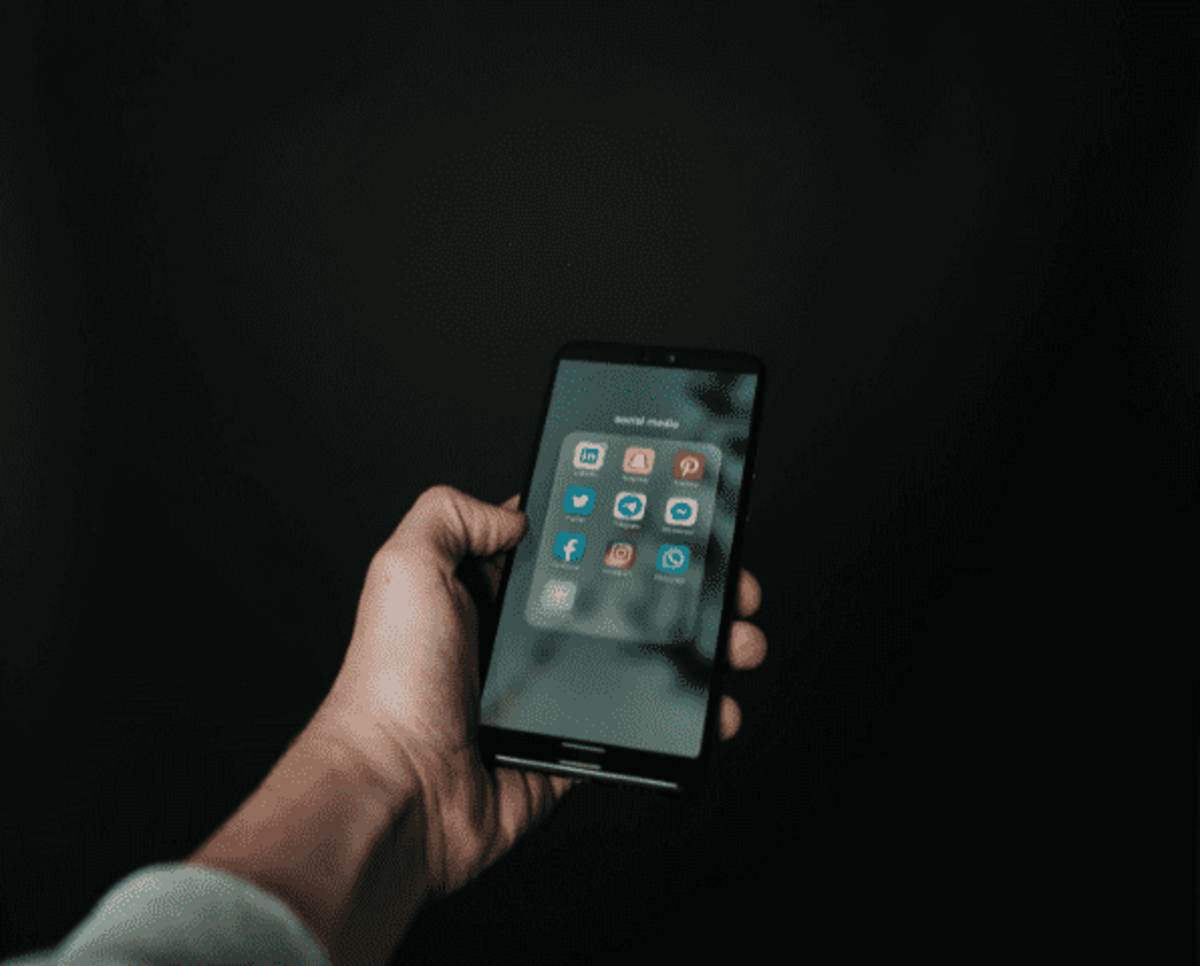
Data from Domo revealed staggering numbers of usage on different platforms on the internet, from Google to Netflix and even Instagram. 16,000 videos are uploaded to TikTok, 138.9 million reels are played on Instagram and Facebook, and around 1,041,666 questions are answered by Siri every minute of every day. Now, just imagine the influence and the usage. Speaking with CNBC Make It, psychologist Gloria Mark noted that this constant consumption is causing a cognitive drain, making our brains feel fatigued. This, in turn, affects the “executive functioning” of the brain, which is responsible for making decisions, staying on track, and accomplishing goals.


In this case, doomscrolling is worse. Mark explained that when we’re glancing through hundreds of short-form videos within minutes, we’re only able to process a rollercoaster of emotions on a “superficial level as opposed to if you pick up a book or you read a long-form article.” While some may be informative, most are meaningless, to the point where we don’t even remember what we’ve seen. This timepass comes at the cost of our attention span and healthy brain functioning. So Basso was not wrong to take that spontaneous decision, and many agreed. @reaganconrad wrote, “He just made a dozen excellent observations in one clip.” @edward3s added, “One of the smartest things anyone has ever said about social media.”
More on Scoop Upworthy
23 wholesome and uplifting posts to break your doomscroll
A school convinced students to delete their social media apps. The impact left everyone stunned.
 Share on Facebook