How a kindergarten teacher became the accidental guardian of 200 king penguins
They first settled on her land in the 1990s, but were disturbed by several people and left

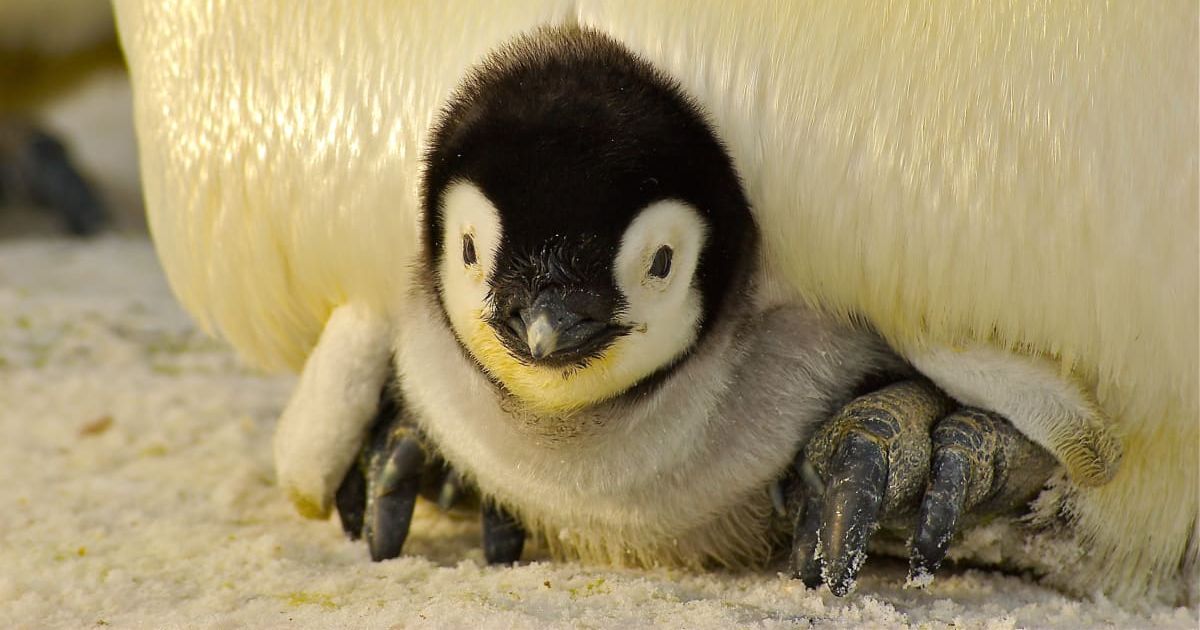
Life has a funny way of handing people responsibilities they never saw coming. Cecilia Durán Gafo, a 72-year-old former kindergarten teacher and local landowner from Useless Bay, Chilé, found herself in a predicament after she saw how badly people treated a colony of king penguins that had wandered into the land. They first settled on her land in the 1990s, but were disturbed by several people and left, according to The Guardian. The penguins came back in 2010, and that was when Gafo decided to do something about it. Now, her penguin reserve is the only continental king penguin colony in the world, with almost 200 penguins.
Barrage of selfies leave only 8 penguins behind
The first time they arrived in the 1990s, people who claimed to be scientists came to take away the birds for "scientific research." Gafo later found out that it was not the case. The penguins were kept in zoos and used as personal pets. Because of constant disruption from humans, the colony moved away and did not return for more than 10 years. In 2010, Gafo said they arrived overnight. As soon as people heard they were back, they started their shenanigans again. Gafo told the news outlet, "They dressed them up in caps and sunglasses, and took selfies. Horrible things." This encroachment caused their population to dwindle from 90 to just 8 penguins.
No humans, please
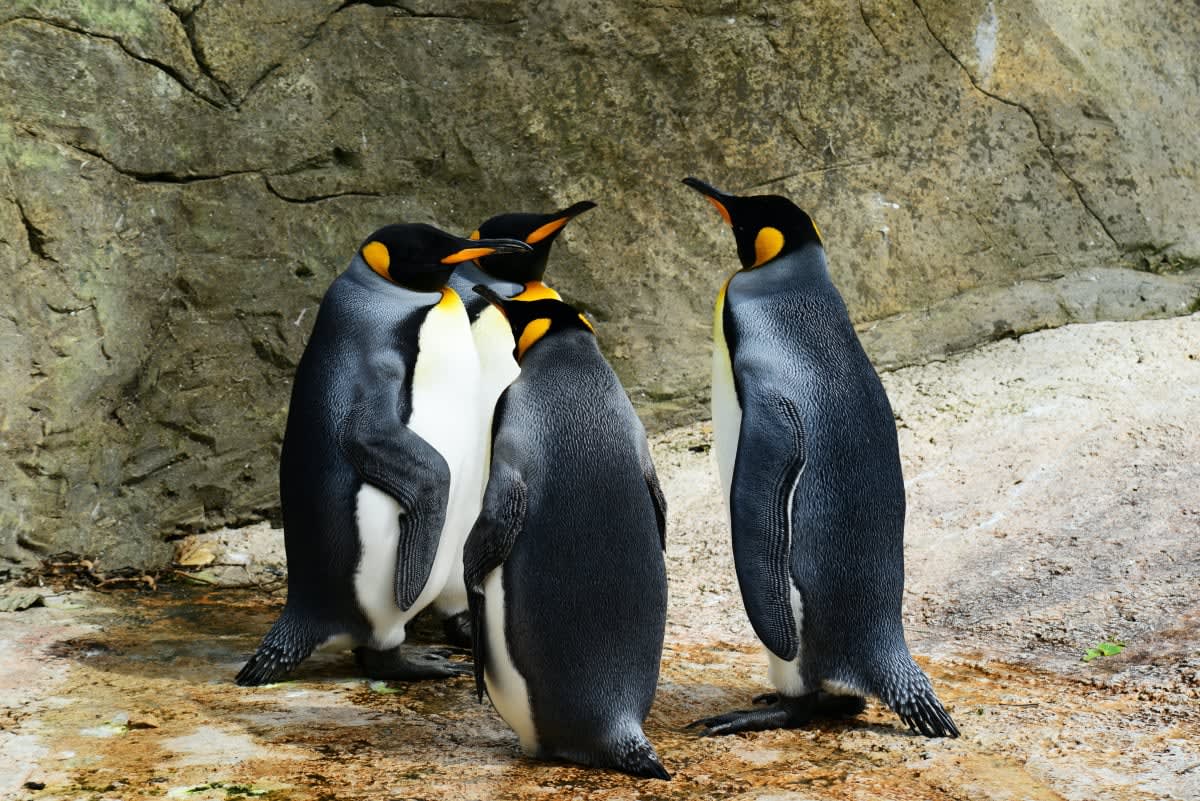
Gafo called a family intervention and decided to take responsibility for caring for the king penguins. Gafo, herself, patrolled the beach despite the cold. A year into protecting the penguins, she fenced about 74 acres of her farm. While she allowed visitors to watch the birds, they were not permitted to get close to them. However, humans were not the only problem. Natural predators such as grey foxes and minks would often steal and eat their chicks and eggs.
A genius feeding plan
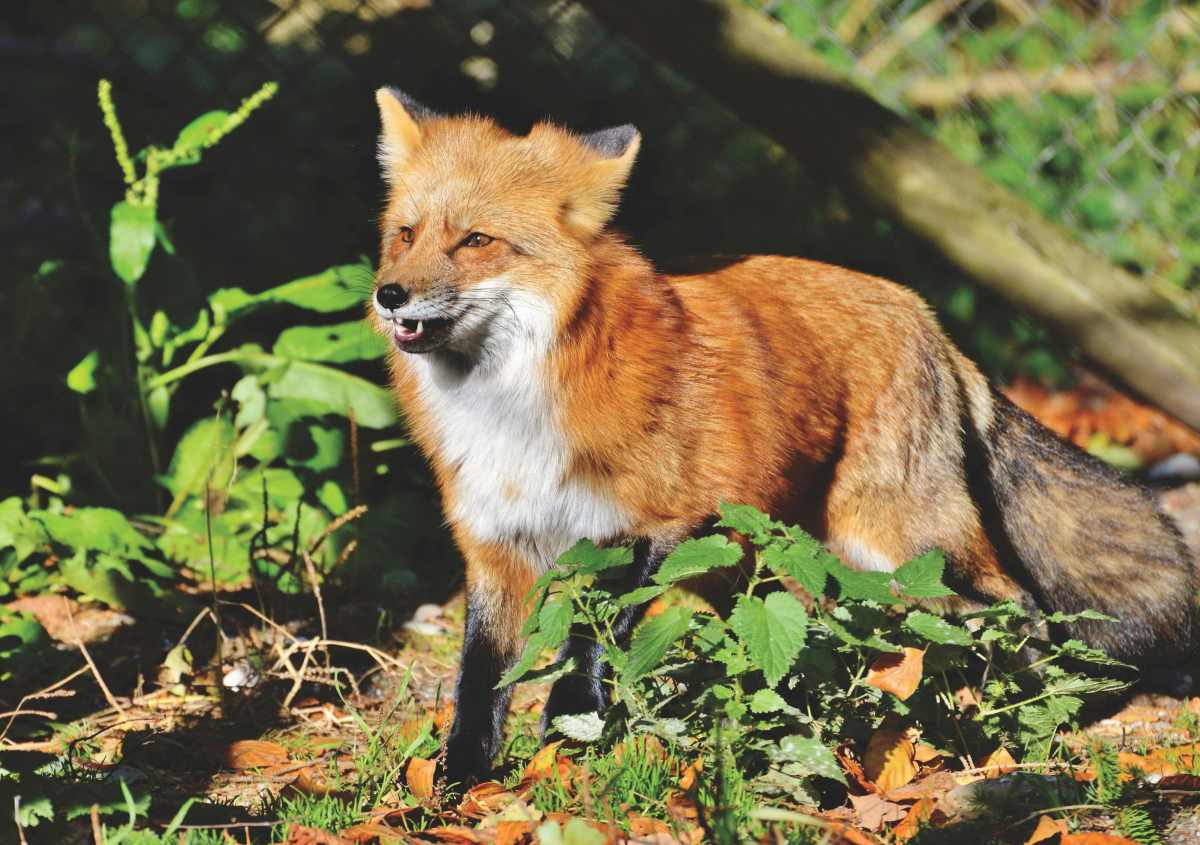
Gafo's solution was to feed the predators scraps of meat far from where the penguins lived. Gafo and her small team did this at night, dividing their patrol time into two-hour shifts. They tried to condition the predators to hunt somewhere else. She said, "It was wonderful because the nights were so full of stars, but the 3 a.m. shift [was tough]. I went out anyway." Later on, they used dogs to mark the territory so that foxes and minks would stay away.
Penguins are adapting
In 2014, the International Union for Conservation of Nature (IUCN) listed king penguins under 'species of Least Concern,' meaning they are not vulnerable to extinction. However, by 2018, research found that the largest king penguin colony in the world, located at the Île aux Cochons in France, had shrunk by 90% since the 1980s, BBC News reported. Photos taken between 2015 and 2017 revealed that only 60,000 penguin pairs remain.
On a positive note, a 2026 report published in Science Advances found that king penguins are adapting to the changing climate by breeding earlier. This change improved the survival rates of their chicks. While this is good news, Céline Le Bohec, the co-author of the study, asked, "For the moment, the species is able to cope with this change, but till when?"
100-year-long safety net
Finally, in 2011, Duran legally turned her farmland into a reserve for the next 100 years. She told the outlet, "Whoever inherits has to continue the conservation project." Her small team has grown into a group of 12 from different fields, including veterinarians, biologists, and ecotourism specialists. Gafo also worked with universities, allowing students and researchers to study the birds. They found that king penguins from far-off distances were migrating to Useless Bay. Gafo noted that her efforts to protect king penguins are working. "Last year, 23 chicks survived — a record," she said.
More on Scoop Upworthy
Fortnite's owner is using his fortune to buy up American forests so no one else can touch them
BBC Nature crew broke their one sacred rule to save dying penguins in Antarctica
109-year-old spent his final years knitting tiny sweaters for injured penguins
 Share on Facebook