Finland replaced rubber with mud and dirt for kindergartens. Their blood tests surprised scientists
They dug up a 10-meter chunk of forest floor...

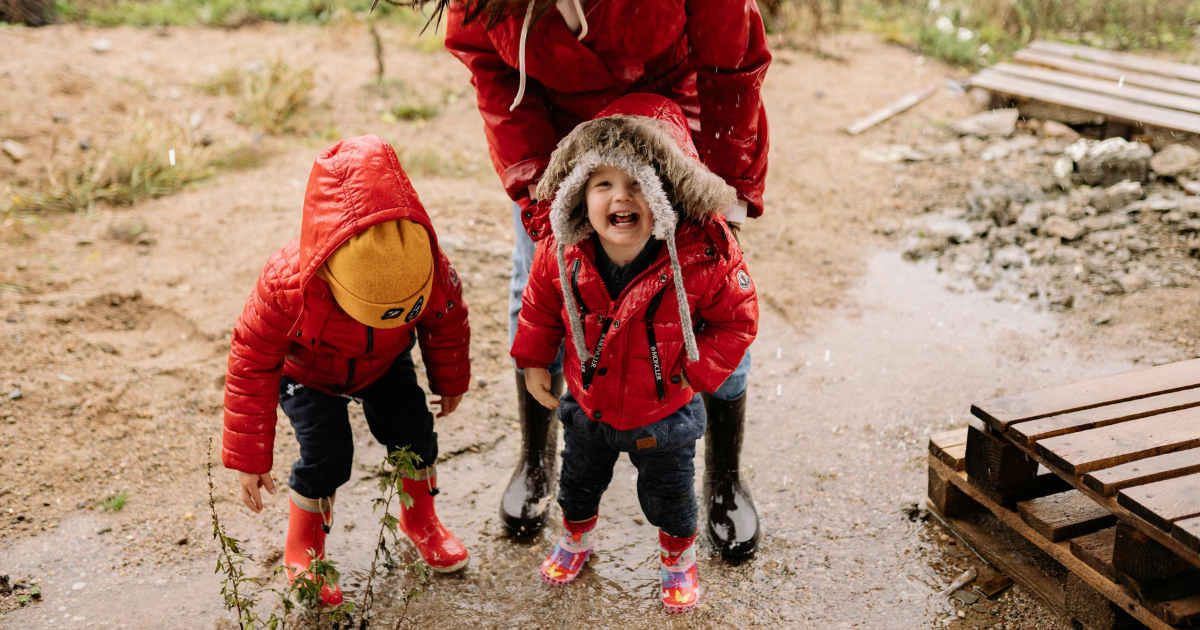
Finland is making a conscious effort to strengthen the connection between human health and the ecological health of its surroundings. The idea is supported by a study conducted by scientists from the Natural Resources Institute Finland (Luke) and Tampere University, as cited by The Guardian. The reports showed that kindergarteners who spend their time playing with mud and soil have better health than children in daycares surrounded by plastic items. 43 daycare centers across Finland have been given £830,000 (approximately $966,000) to restore their surroundings with natural biodiversity rather than asphalt, plastic, and rubber.
Farming for science
The focus of the study, which is part of a larger body of research, is to connect the two layers of biodiversity — the outer layer, which consists of soil, plants, animals, and microbes, with the inner layer found within the human body. This includes the gut, skin, and airways. To do this, a two-year experiment was conducted on a kindergarten consisting of 180 children and 50 staff. They dug up a 10-meter chunk of forest floor and used it to grow vegetables and fruits, such as beetroots, potatoes, carrots, chilies, courgettes, cucumbers, blueberries, and lingonberries. The produce was then eaten by the children.

Surprising results
Researchers wanted to see if adding more biodiversity could affect the children's healthy bacteria composition and their overall immune health. A routine check using blood samples and a questionnaire on infectious diseases was taken every three months, where up to 75 children from various urban daycare centers participated. A year later, scientists found that children who played outside had healthier skin bacteria and strong immune defenses.
There was also an increase in T regulatory cells that shield the body from autoimmune diseases within just 28 days. These findings were also supported by a separate Australian study, which found that children playing in different types of soil had better gut health and immune system, compared to those who did not.

The effect of outdoor play
Scientists believe that one of the main reasons why a large number of the population have allergies is that they were not exposed enough to naturally occurring microbes in the environment when they were younger. A 2025 Mott Poll Report found that 62% of parents allow their children to play outside every day, 29% play outside a few times a week, and only 9% of parents reported their children playing outside once a week or less. Marja Roslund, a scientist at the Natural Resources Institute Finland, said, "It’s [reconnecting with one's surroundings] good for national health. Immune diseases are expensive. Even a small reduction in the burden of these diseases is good for national health and the economy."

It's inspiring other countries too
After seeing positive effects, the government of Finland is funding several daycare centers to rewild their surroundings. The Poutapilvi-Puimuri daycare center is currently being remodeled to include more green in its vicinity. This would include trees, flowers, sandpits, rocks, and grass areas for children to play in. Marjo Välimäki-Saari, the director of the daycare, said, "We’re moving the action from inside to outside. We want to show the children nature, so they learn about it." Visitors from countries like Iceland, Denmark, and Norway have been impressed by what daycare centers in Finland have achieved, and expressed the desire to create something similar in their homes.
More on Scoop Upworthy
Walking through nature can help you discover your true self: study
Study suggests that walking in nature can reduce 'negative feelings' and improve mental health
Dad shares how simple activities like family outings or camping can create core memories for kids
 Share on Facebook