When disaster strikes, the FEMA turns to Waffle House to find out what’s really happening
'Seeing a closed Waffle House is shocking to people,' Warner said.

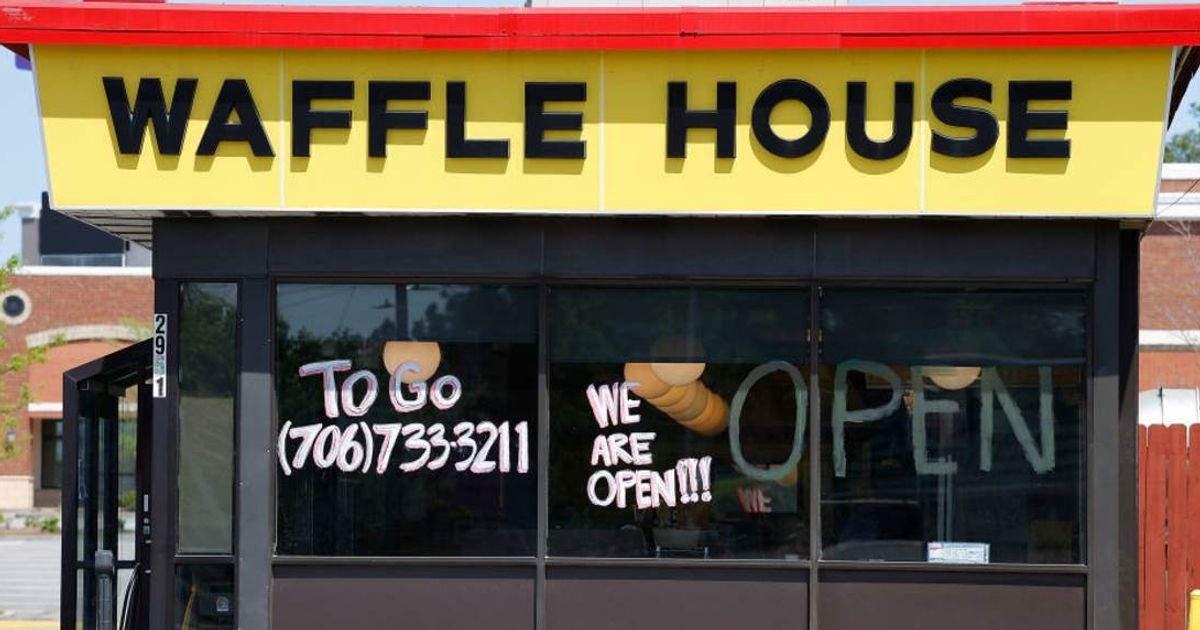
Imagine having such genius management that, despite having all the equipment and metrics, FEMA (Federal Emergency Management Agency) additionally checks if your stores are open to determine the severity of a disaster. This is a reality that Waffle House developed for itself a few years ago, according to CNN. The owners came up with brilliant strategies to stay open despite disasters, so if they’re closed, we know it's trouble. Known as the Waffle House Index, FEMA uses it as an unofficial measure to check how severely a storm has hit an area.
Waffle House public relations director Pat Warner said, “Our goal is always to be the last to close, first to open.” They operate with the mission to be open 24/7, 365 days a year. “Seeing a closed Waffle House is shocking to people,” Warner said. When they learn that stores are closed, the immediate presumption is that “it must be pretty bad.” This started back in 2004 when intelligence met hunger. Former FEMA administrator Craig Fugate revealed how they were assessing damage after a storm and got hungry. Naturally, they drove for miles, but everything was shut. Finally, they arrived at an open Waffle House outlet.
Storm prep:
— Waffle House (@WaffleHouse) August 30, 2019
Bottled water ✅
Flashlight ✅
Charge phone ✅
Waffle House in walking distance ✅ pic.twitter.com/qDusvIxs66
As they drove further later on, they realized only this company had its outlets open. A few disasters later, the team was able to invent a code, the Waffle House Index, based on three colors: Red: Waffle House is closed completely. Aka, the hardest hit. Yellow: Waffle House is open with a limited menu. It meant there might be outages and so on, but people can still safely move around. Green: Waffle House is open as usual, indicating that essential services are fine even if there is a slight storm. For instance, a 2024 News Nation report revealed that when Hurricane Helene and Hurricane Milton struck, FEMA looked up their over 1,950 locations to figure out which were under which code to understand which areas were most severely affected.
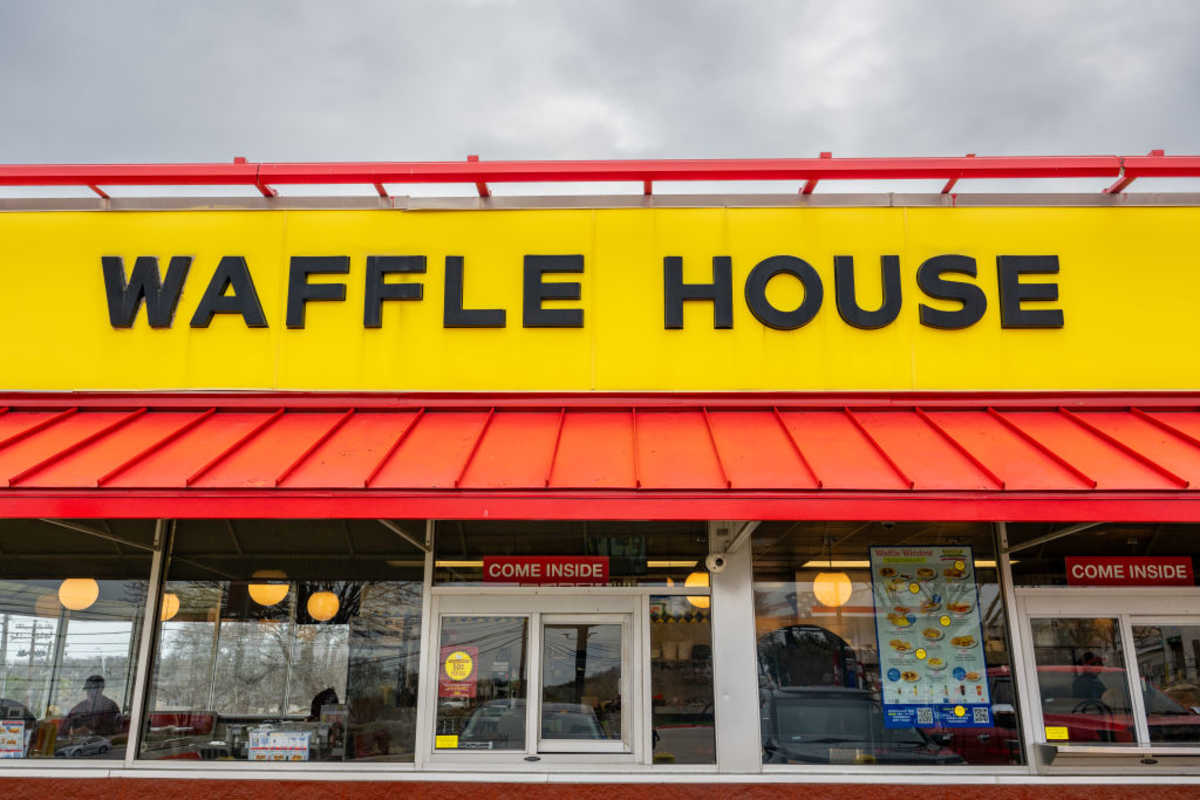
According to WCNC, Warner explained, “Basically, drive till you find the first Waffle House that's closed, because that's where it's really the worst.” A press release from Waffle House shared another example. During Hurricane Irene, 22 outlets in North Carolina, Virginia, Maryland, and Delaware had lost power. A little later, power was restored in 21 of these stores except in coastal Virginia, and it was clear it was hard-hit. And how do they do it? According to a post from @owner, a separate team is created to track the storm, take a call, and open the store within 24 hours using generators, emergency supplies, and so on.
The USA Facts revealed that, based on calculations of data between 2020 and 2024, on average, there are around 164 disasters that take place in the United States. Another report mentioned that 2023 has the most “billion-dollar” natural disasters. Of these, the most frequent disasters were severe storms. Second to this came cyclones, followed by others. Hurricane Helene and Hurricane Milton caused the most damage in 2024, with a cost of $78.7 billion and $34.4 billion, respectively. Hurricane Helene even caused over 200 deaths, the highest among all other disasters, with deaths reported in only two digits. It’s a genius plan, and Warner commends it. "Every day we like to have that sense of family in that restaurant, but it's after something like a big hurricane -- that's where you really rely on your family,” he remarked.
More on Scoop Upworthy
Waffle House employee works in the kitchen while carrying a baby, sparks debate
Couple who helped stranded Korean tourists during deadly snowstorm gets a surprising call from Korea
Woman saves 64-year-old man from horrifying snowstorm. He was crying in pain outside her door
 Share on Facebook


