Supermarket produce looks perfect for a reason. A farmer says that's exactly the problem
'Most of us are probably more comfortable eating food covered in poison than something a slug or a beetle has had a little nibble at,' Seth explained

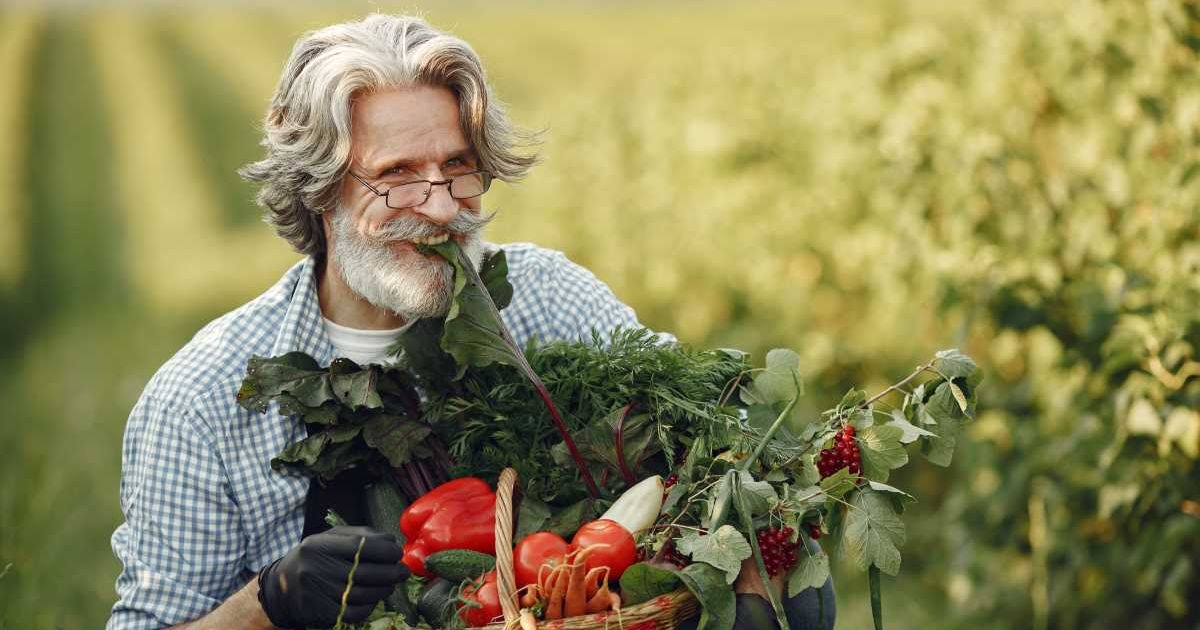
Would you buy a bunch of spinach whose leaves are punctured with holes or the one whose leaves are glossy, untouched, and pristine? Most consumers would gravitate towards the untouched spinach; many might find the holes repelling. It’s natural. Human nature detests the food that has already been tasted by bugs rather than the food that seems fresh and new. However, one regenerative farmer, Seth (@dogoodthings_farm), has revealed that the reality of these holes is deeper than what the naked eye can see. In a June 2, 2026, Instagram reel, the farmer revealed that the holes in veggies are actually good for humans, indicating they are healthier and more beneficial produce.
Holes don't mean harmful
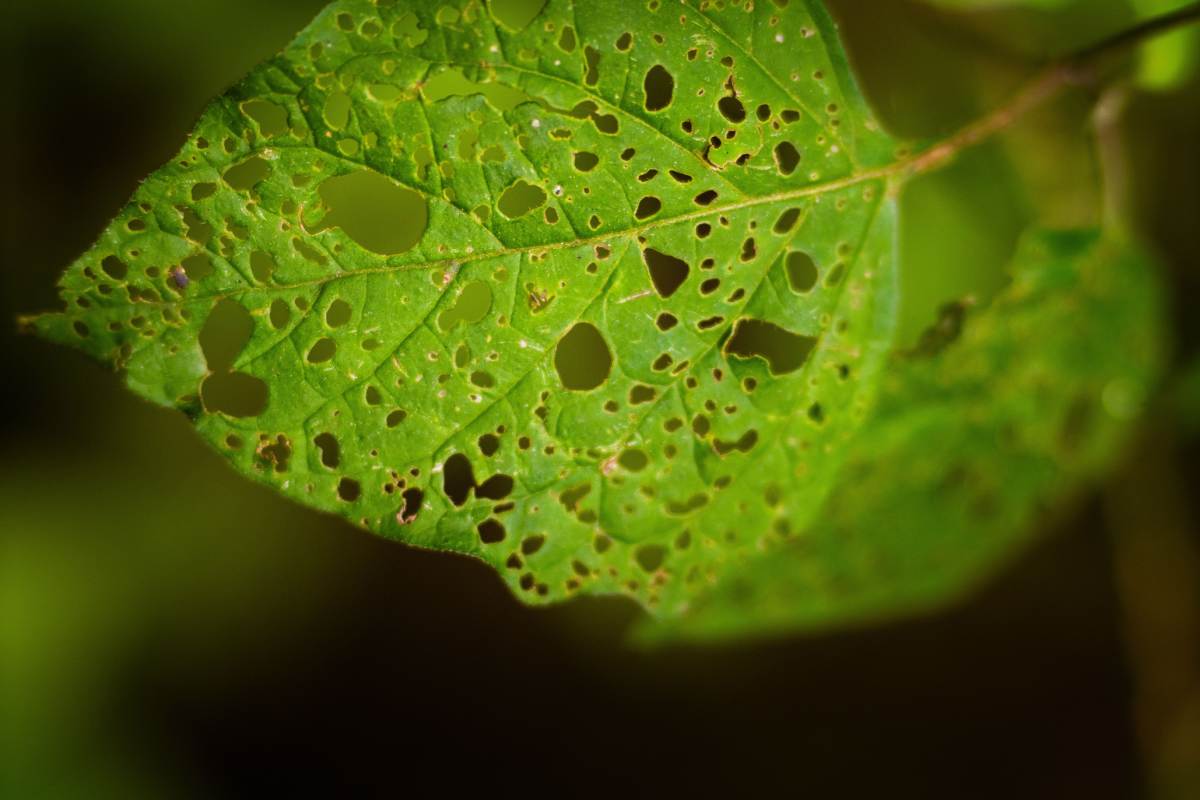
“Would you eat this leaf?” Seth asked the viewers while flashing a big-sized leaf punctured with tiny holes. He said the holes indicated that the leaf was “good enough” to be eaten by the slugs. But if he sent it to his customers, they would probably turn it down, because, he explained, “We are spoiled by the supermarkets, giving us pristine produce,” which is “covered in poison.”
The farmer quoted that humans knowingly poison their own food so “critters can’t eat it.” But the “holes” are actually a good sign that the vegetable is edible, according to him. “I think it’s a bit mad that most of us are probably more comfortable eating food covered in poison than something a slug or a beetle has had a little nibble at,” Seth explained.
Bugs are angels in disguise
A study by BlueBootsFarm found that 90% of the time, insects attack organic produce, making them healthier and more beneficial for humans. Researchers explained this phenomenon in a paper published in Scientific Reports. The paper suggested that when leaves are wounded, fruits make more phenolic compounds (potent antioxidants). In fact, phenylpropanoid production increased up to 137%. "This supports the idea that higher levels of healthy phytochemicals reported in organic fruits and vegetables could be due to the wounding component of the biotic stress attributed to insects to which the plants are exposed," the study concluded. This, probably, is the reason why the organic food market is expected to grow from USD 282.40 billion in 2026 to USD 734.20 billion by 2035, according to a report from Towards FnB. "Welcome the imperfections. If it looks too good to be true, it probably is," Sethu exclaimed.
'Important to check for aphids or eggs'
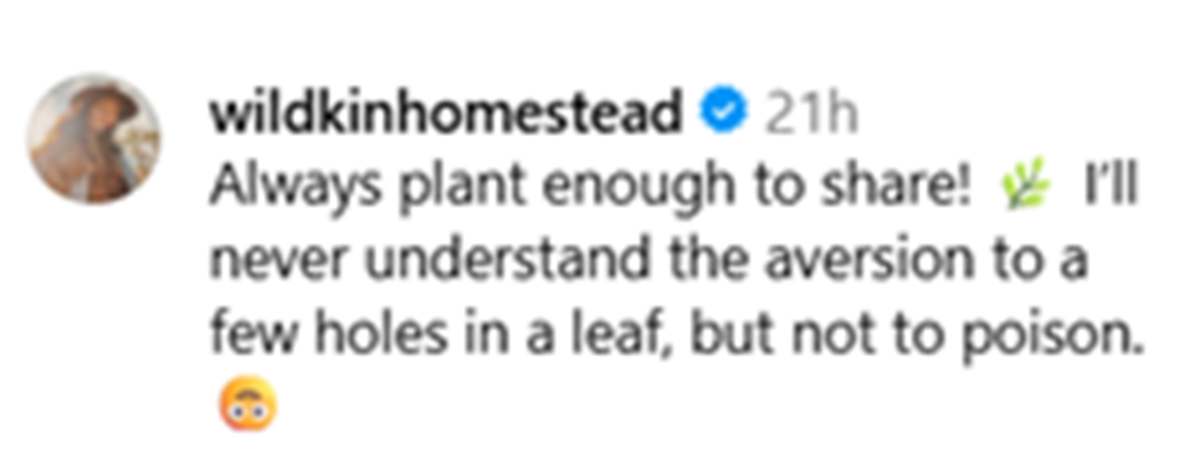
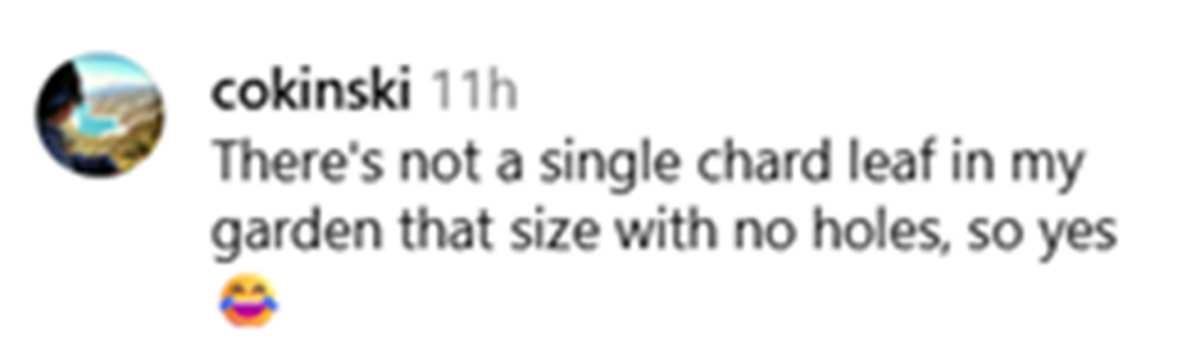
Meanwhile, reacting to Seth's claim, @hennafort shared, “This is how we in Sri Lanka think when we buy vegetables & greens; if there are few bug bites it means it is totally healthy to eat.” @rootedbynelly said, “Absolutely yes let’s normalize the look of organic produce.” @jay__sher added a note of caution, “Okay but still important to check for aphids or eggs etc. Can’t ignore we need to be safe when eating anything.”
You can follow @dogoodthings_farm on Instagram for more gardening and food content.
More on Scoop Upworthy
Meet the 92-year-old tomato farmer who is growing the same seed lineage for 58 years
America's factory farms are just as bad as we think any wet market is. We can't point fingers.
Farmer explains a brilliant no-cost gardening tip to maximize your fruit yield at home
 Share on Facebook