California farmers spent decades growing 420,000 peach trees — now they have to destroy every single one because their only buyer went bankrupt
Del Monte's closures left hundreds of workers jobless and farmers clueless about the future of their farms


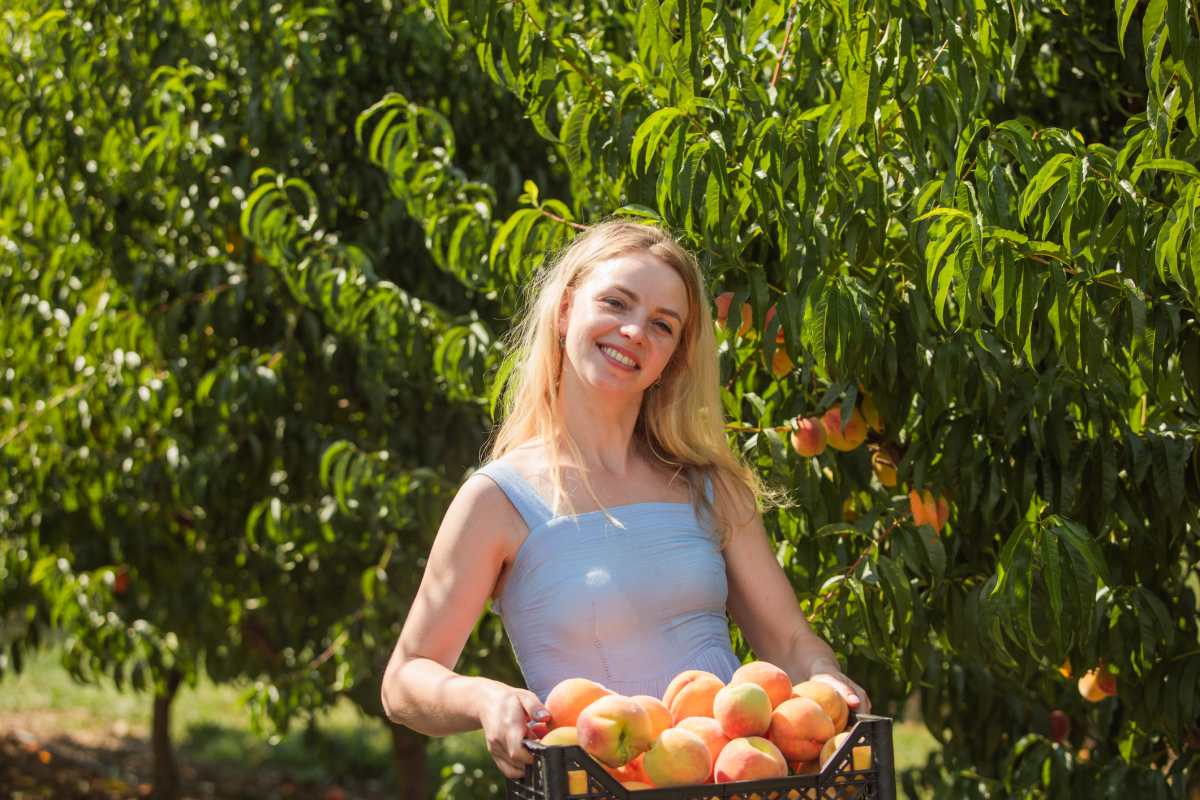
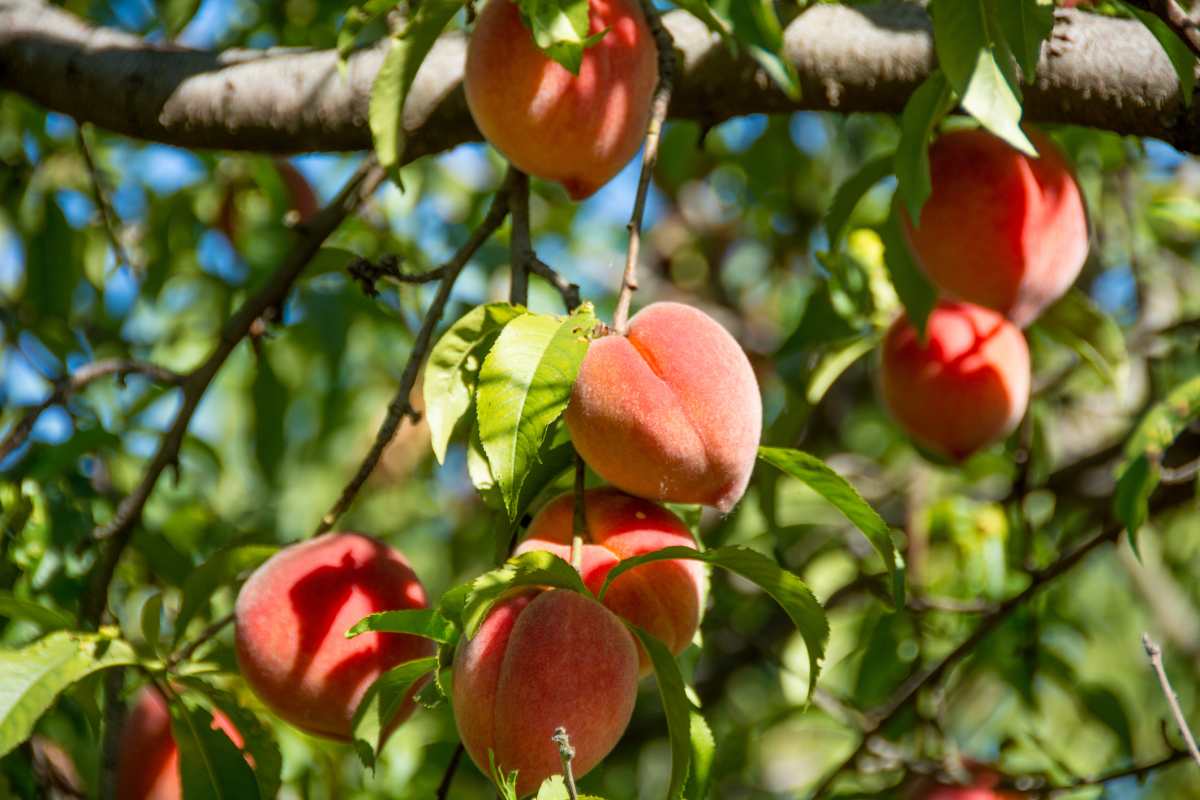
Farmer Tony McGrath has grown peaches on his 40-acre Yuba County farm for decades, where they’ve been his most profitable crop alongside almonds, walnuts, and prunes. But since Del Monte Foods shut down its canneries in April, he’s been left with a surplus and no buyers. Dozens of California farmers now face the same issue, and according to reports by The Sacramento Bee and a press release from Adam Schiff on April 28, 2026, many are preparing to destroy about 420,000 clingstone peach trees to offset losses.
A 139-year legacy
Del Monte Foods, the 139-year-old food company, filed for bankruptcy in July 2025. In April this year, it closed its canaries in Hughson and Modesto, which processed between 30% and 35% of the state’s cling peaches. The closures left hundreds of workers jobless and farmers clueless about the future of their farms. The company failed to adapt to the changing customer preferences. Trouble skyrocketed when there was a 50% hike in the prices of tinplate used in the cans.
Farmers are losing millions
Del Monte’s bankruptcy court filings mention that some of the farmers who had invested in orchards had contracts spanning 20 years, collectively valued at more than $550 million. McGrath had a decade-long contract. This year, the Iran war added further complications as the prices of key fertilizers and chemicals spiked, per Fortune. Environmental factors like water overuse, persistent droughts, and climate change further exacerbated the farmers’ troubles.
'We had built everything around peaches'
“This is probably the worst environment for agriculture that we’ve ever lived through. Everybody is looking for help right now,” said Representative Mike Thompson. “So we’re going to be standing in a long, long line trying to figure this out.” Sarb Johl, a farmer whose family immigrated from India in the 1970s, lamentingly remarked, “We had built everything around here just for peaches. It’s sad to see us exit from something we started with. But that’s life.”
Harinder Dhanota, another peach farmer who owns a hundred acres worth of contracts with Del Monte, said he was left in limbo. “We have trees that are there, and we’re wasting space on the ground. If we need to pull them out, we need to know. We can’t wait for the cannery to open next year. We need to know now.”
Supporters' heartfelt appeal
To help farmers, more than 40 California lawmakers wrote to the Agriculture Secretary, Brooke Rollins, in March, appealing for getting some aid. Following the appeal, the USDA approved $9 million, helping farmers chop down the trees to transition to more valuable crops. Some farmers weren’t even sure whether they should log the peach trees or not.
After Del Monte deactivated its canaries, its fruit business was bought by Pacific Coast Producers, which agreed to buy about 24,000 tons of fruit from the farmers. But that still leaves about 50,000 tons with no one to sell to, which implies that a large amount of the crop will be wasted. “There’s really nothing that you can move into,” McGrath said. Jeff Stephens, a peach farmer in Sutter County, said, “I have lived through cannery closures, I have weathered uncertainty, dead and dying trees from too much rain. But I have never experienced anything of this magnitude.”
More on Scoop Upworthy
Meet the 92-year-old tomato farmer who is growing the same seed lineage for 58 years
Honest farmer humbly explains why he will never hike the price of his products on 'Shark Tank'
This farmer grows 500 types of foods in his forest garden with just a few hours of work a month
 Share on Facebook


