Science says 'sleeping in' on weekends isn't doing you any favors, but a 'sleep budget' will
Don't hit the snooze button for too long; you're damaging your sleep cycle and body.


We all wait for weekends, and one of the reasons is to catch up on all the sleep we missed during the week. While you’re passed out until 11 am or even later, scientists are suggesting this cheat code isn’t really doing much for your body.
According to Sciencing's March 15 report, a lack of sleep carries many consequences, but trying to make up for it on the weekends with late mornings is making your sleep cycle and, thereby, your sleep quality worse. While it affects your temporary sleeping schedule, it can also cause long-term damage. To combat this, experts suggest a “sleep budget” that can ensure you get to catch up on your beauty sleep without disturbing your cycle.

The Centers for Disease Control and Prevention (CDC) noted that around one-third of Americans are sleep-deprived. While the case applies to all over the age of 14, it’s understood that things are worse or more impactful for people working shifts or those who naturally don’t get good quality sleep in the few hours they bank.
Now, yes, lack of sleep can have physical and mental effects that you wouldn’t want. These include blood pressure issues, heart disease, mental disorders, and, in worst-case scenarios, even death. Unfortunately, juggling our societal roles, mainly work, puts us in a “sleep debt” where portions of sleep that we miss out on are carried forward, making us sleep-deprived.
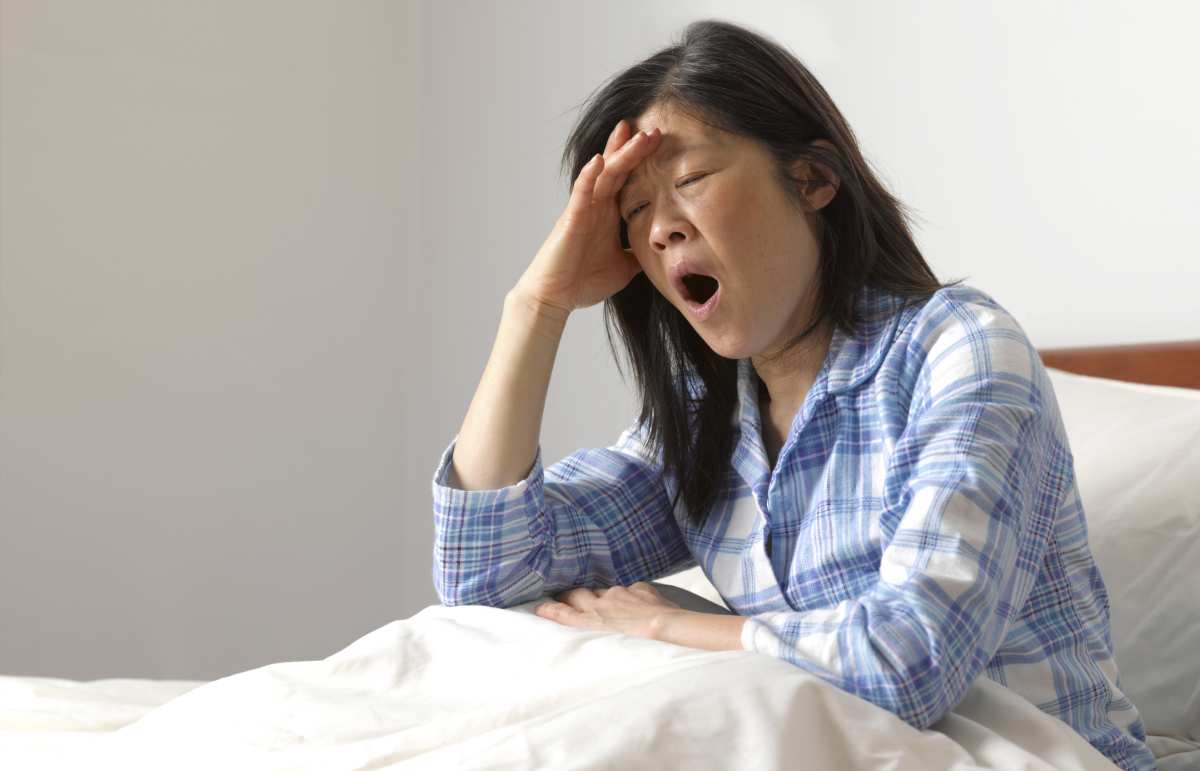
The National Sleep Foundation recommends 7–8 hours of sleep for older adults and 7-9 hours of sleep for younger or middle-aged adults. The casual response is to make up for lost hours by sleeping in on weekends. But this is not the ideal option. When you hit that snooze button, you’re resetting your sleep cycle.
A 2020 study by the Sleep Research Society on 390,000 Americans found that there are direct negatives of sleeping in, such as missing out on morning routine, sunlight, and getting a whole delayed circadian rhythm.
Furthermore, sleeping in for over two hours more than the regular cycle was associated with an increased “all-cause mortality.” It also disrupts the cycle, making it harder for you to fall asleep on weekdays or on days when you need to have a stricter, tighter sleep schedule.

So what can we do? The National Heart, Lung, and Blood Institute recommends taking a more well-planned approach to catching up. The two pointers it suggests are to sleep and wake up at the same time, even on weekends or days off. Secondly, keep the sleep cycle as close to the same as possible.
If you really want to get more sleep, don’t go over an extra hour. For those who need more than an hour, consider naps. 20-30-minute naps work well to boost focus and performance. This makes it better and more flexible since 20 minutes can be incorporated based on the schedule.

Naps are not such a bad idea. According to the Sleep Foundation, 7% of adults nap every day. The average naptime is around one hour. However, there is no hard and fast rule about how long your nap can be. 81% of adults reported taking a 10-minute or longer nap between April and July 2025.
Mayo Clinic suggests keeping 20 or 30-minute naps to boost performance. Longer naps tend to make a person feel groggy. The best part about a nap is that it's flexible, but it is also an important aspect in deciding how your sleep cycle is affected. Take into consideration your routine, health, requirements, time, and so on before planning a nap, and you’re good to go!
More on Scoop Upworthy
Sleep expert warns people against doing these 6 things in the middle of the night
This Scandinavian sleeping method is helping couples sleep better and argue less
Fitness coach shares a military technique to fall asleep within 2 minutes and it's mindblowing
 Share on Facebook


