An experiment with 400 shoppers revealed how US stores secretly change prices for each person
The prices for the same products are being changed right before our eyes, and the 'how' behind it is baffling.


We’ve all tried our strategies when it comes to shopping. Be it bargaining, using the “loyal customer” card, or making perfect use of coupons and points, we've really done everything. In those circumstances, yes, prices can change for us, but did you know that stores are also changing prices based on other factors? And not the discount kind, but quite the opposite. More Perfect Union and Consumer Reports conducted research to test the difference in the paying capacity of different customers. Based on that, they drafted a wild yet accurate theory about how grocery shopping works.
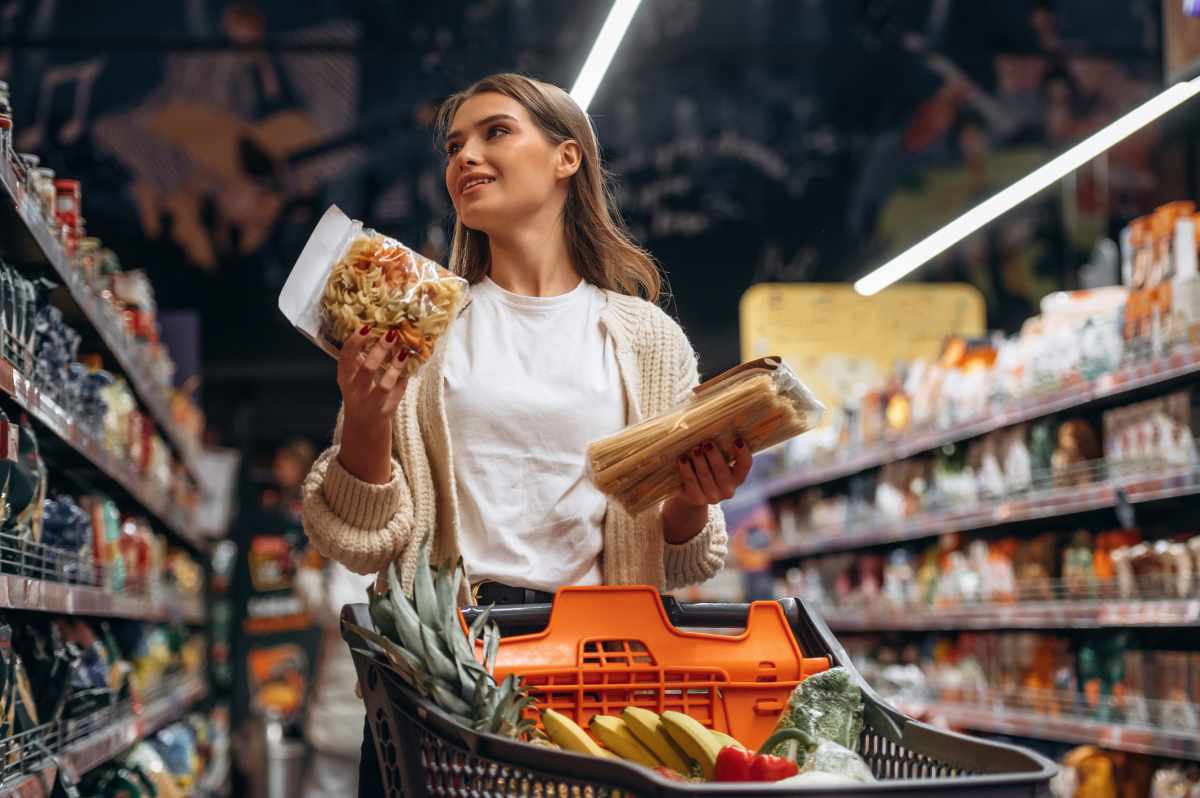
Former Federal Trade Commission chairperson Lina Maliha Khan noted, “The holy grail for a long time has been, what if we could charge every single person the maximum amount that we know they're able to or willing to pay?” Eric Gardnener of the More Perfect Union asked customers to contemplate the price surge over the last few years. Several factors like inflation, supply chain, and others, are supposedly behind it all. Katie Wells, Director of Research at Groundwork Collaborative, shared eye-opening information from her study on Instacart in Washington, D.C., where she mentioned that workers were receiving different amounts of money for similar work.

That probed her to ask, “If they’re doing this to employees, what about consumers?” Collaborating with Gardner and the team, they carried out a 5-month research project to understand why prices are on the rise. While they noted that inflation was a real reason, there was also another strategy that “grocery stores and companies have built together.” They experimented with shoppers. Asking them to hop onto Instacart, they were told to pick the same items from the same store. The only catch was that the consumers were different people using different devices, but at the same location. They even entered the same delivery instructions ('pick up') to avoid additional charges.
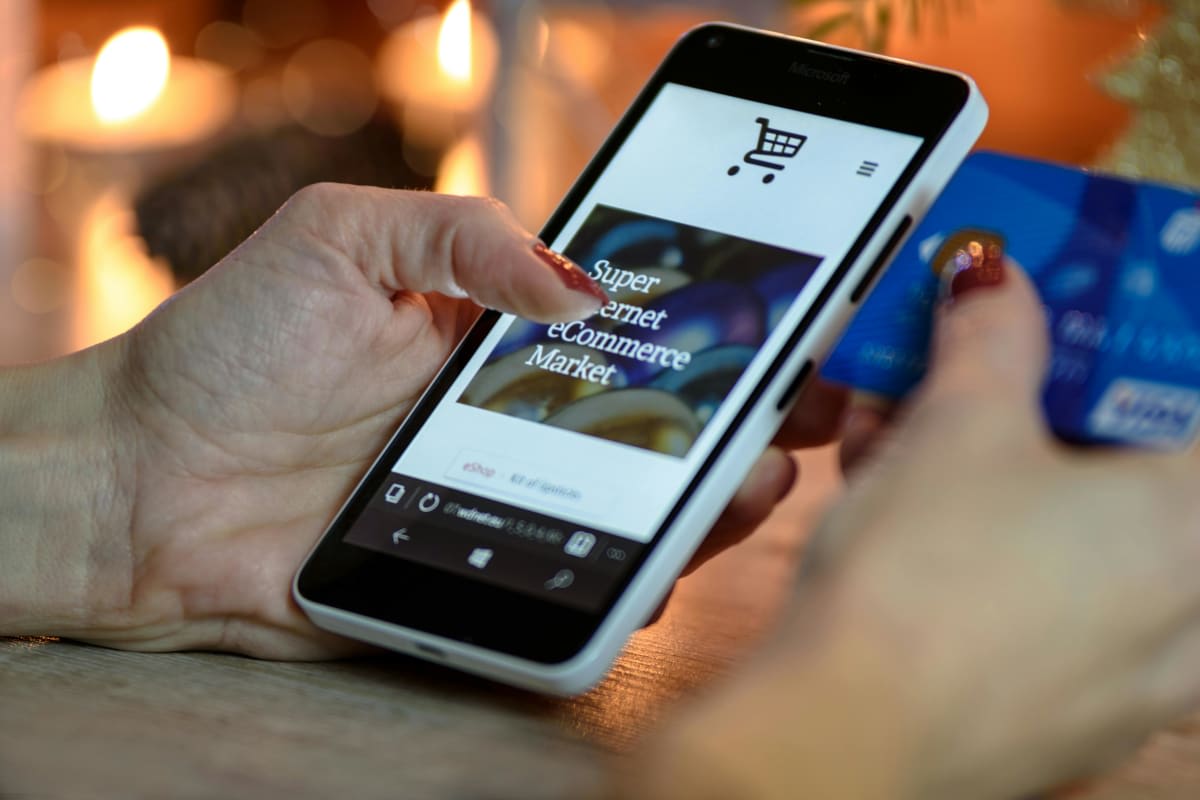
The shoppers were then asked to write their totals and put them together. “We’re in the same room, the same address ordering, and we still had different prices,” one participant said. For instance, the price of eggs itself varied between $4.59, $4.69, and even went down to $4.28 for different users. Consumer Reports got its resources and reconducted the experiment with a larger sample of 400 people and more professional tools. “When the data came back, I gotta be honest, I stared at it for a while, because what we found was weird,” Gardner noted. For some, the total was $114, for others, $124. “The system sorted people into price groups,” the man revealed.
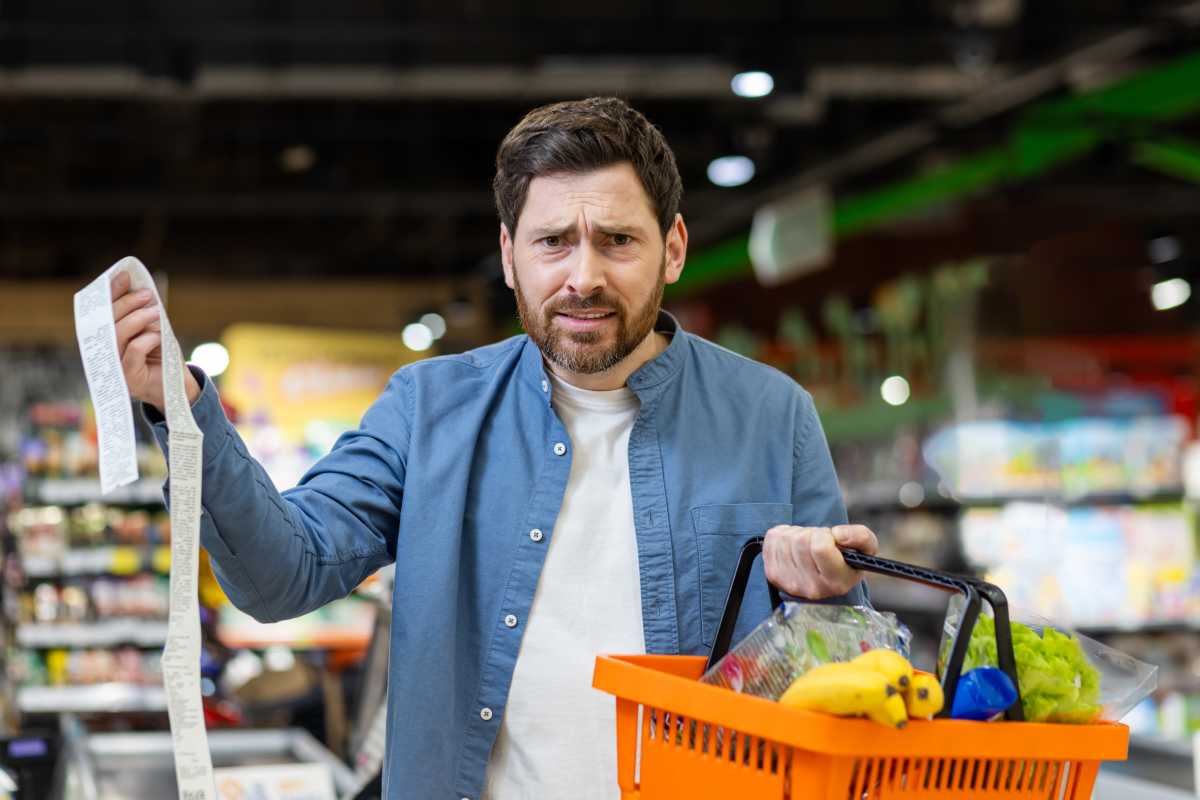
Companies were practicing something called “Surveillance pricing.” “Companies tracking your behavior, your purchase history, and charging you based on that,” he added. While companies don’t set these prices on their own, they have technologies that make it happen. They develop an algorithm that allows price discrimination. And it’s not just for online purchases. It’s even offline stores where digital pricing is put on shelves. Without the customer’s knowledge, the price changes. How? Because predetermined tests have already been at work, observing consumer behavior and clustering them into income groups to offer a matching price.
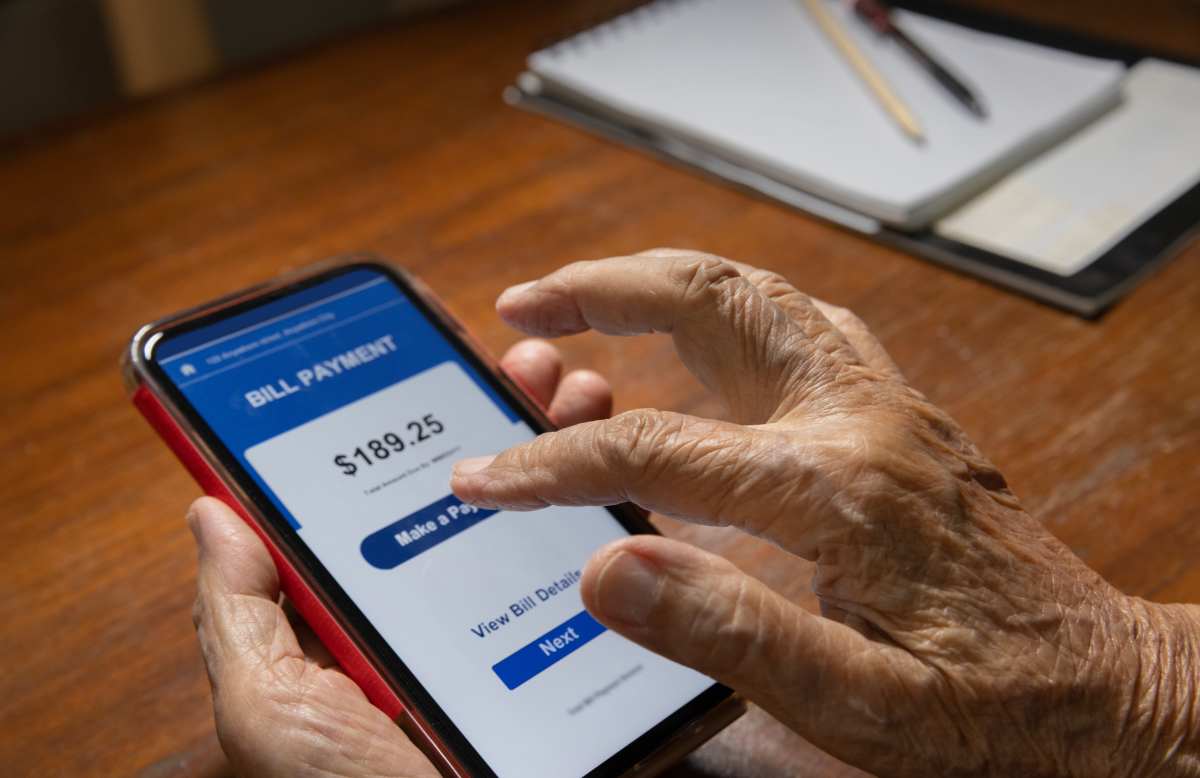
Former employees in the business were also questioned. Errol Schweizer, former Vice President for grocery at Whole Foods and with 25 years in the business, said that instead of a tactic, it’s become more “defensive.” Due to competition, stores are all embracing this technique to gain profits. Pascal Yammine, CEO at Zilliant, noted how automation, digital technologies, and now, even AI, have made all of this easier, per The New York Post. “When something is easier to use, it becomes easy to take advantage of,” he noted. Noah Giansiracusa, Associate Professor of mathematical studies at Bentley University and an expert on algorithms, explained that “20 years of social media surveillance” has helped personalize ads for consumer profiles as well.


“And now [businesses are having] this kind of realization, ‘Okay, we could just repurpose all the data and instead of using it for ads, use it for pricing,’” he added. The solution is to focus on consumer protection, but it requires a global effort to cut down on this gigantic misuse of technology to steal from customers. @TheJakeCakes said, “This is why we need to preserve in-person stores, cash, and physical price tags.” @fiercebaldguy added, “Sounds an awful lot like a rosy way of saying, ‘How can we squeeze every last cent out of these miserable souls?’” @stephgreen3070 added, “No wonder Walmart is so keen on consumers using the app for delivery and pickup. It’s tracking your buying and spending data.”
More on Scoop Upworthy
Man shows dystopic 'digital pricing' system that changes costs in real time at local grocery
Arctic couple leaves the internet shocked by sharing exorbitant grocery prices in their community
McDonald's menu from 1959 shows how much prices have risen over the past decades
 Share on Facebook