At 20, she watched an old man humiliated for seeking alms. She changed the Constitution on elder rights
Perón called the old man 'el señor Buen Día' or 'Mr. Good Day' due to the heartfelt greeting he always offered, long before she became a celebrity.

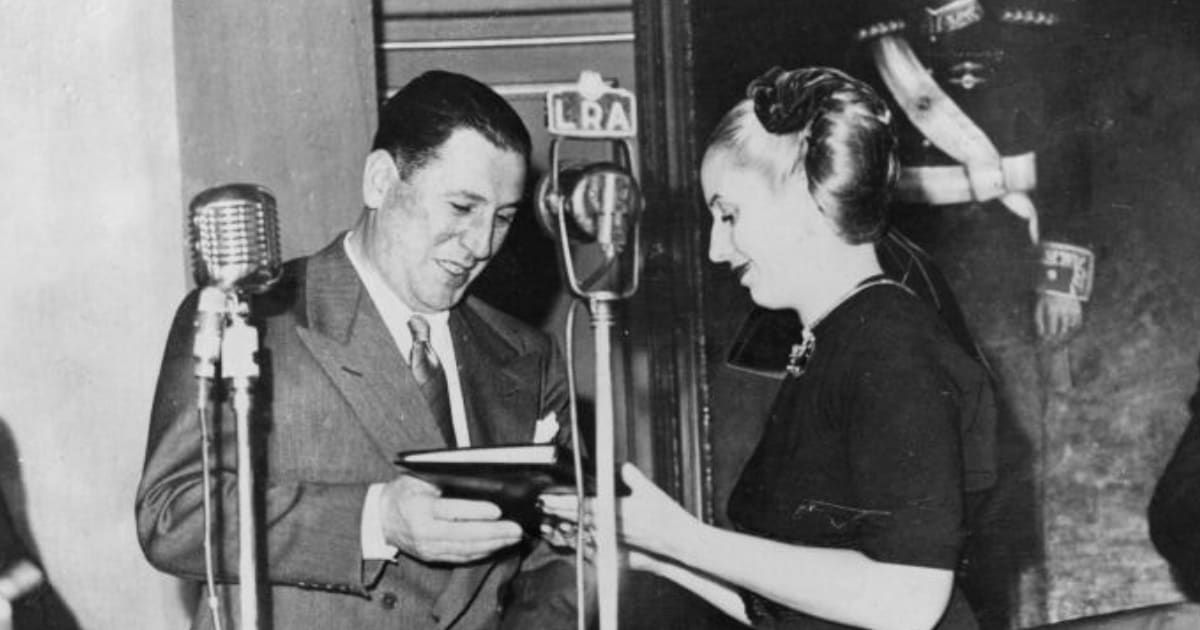
The first lady of Argentina, the late Eva Perón, did much before she lost her battle to cervical cancer when she was in her early thirties, a post from BBC World Service revealed. The woman was in her 20s when she came across the plight and abuse the elderly were facing. Perón saw a man consistently suffering and being humiliated, and wanted to bring about immediate change. She did her research and realized there weren’t any concrete laws or rights for seniors in place. So she worked for years and in 1948, presented the proposal 'The Rights of Old Age' to her husband, Colonel Juan Peron, the president of Argentina, according to The Marginalian. A simple observation and humane urge led to a change in the Constitution, sparking a butterfly effect that changed senior living worldwide.
According to the Eva Perón organization, the woman grew up in a town called Los Toldos in Argentina. She was acquainted with an elderly man who sought help to make ends meet. She called him “el señor Buen Día" or “Mr. Good Day” due to the heartfelt greeting he always had in store for Perón and her family. She would always find some coins to give to the man, but didn’t fail to notice the pain and suffering he hid behind his smile. As her sister Erminda wrote after Perón’s death, "He was one of those people who had suffered and been humiliated to the point where the only thing he had left was his humility. He seemed so forsaken!”
It was ruthless how society had expelled him “as though the person were no longer human.” Something about the man’s helplessness and humiliation pushed her to help. She wondered how so many others like Mr. Good Day suffered. “He was the first abandoned elderly person [Evita] came in contact with, and he awakened in [her] charity and a need to help,” Erminda added. That’s when Perón dug into the trenches of history and law and realized she had to cement concrete rights for seniors. On August 28, 1948, Perón proposed the “Decalogue of the Rights of Seniors.” A few months later, in 1949, they were incorporated into the revised 1949 Constitution.
Per the rights, seniors were entitled to the right to “assistance and to protection, housing, food, clothing, health care, spiritual care, entertainment, work, respect, and to tranquility, free from anguish and worry.” While Perón had no idea she wouldn’t live to see old age, she aimed to change the lives of those already living it. In 1950, she initiated the idea of social security and pensions for seniors so they could fend for themselves. With the help of Fundación Eva Perón, a charitable organization created for this very purpose, she was able to grant one thousand pensions to elderly people and those in need.
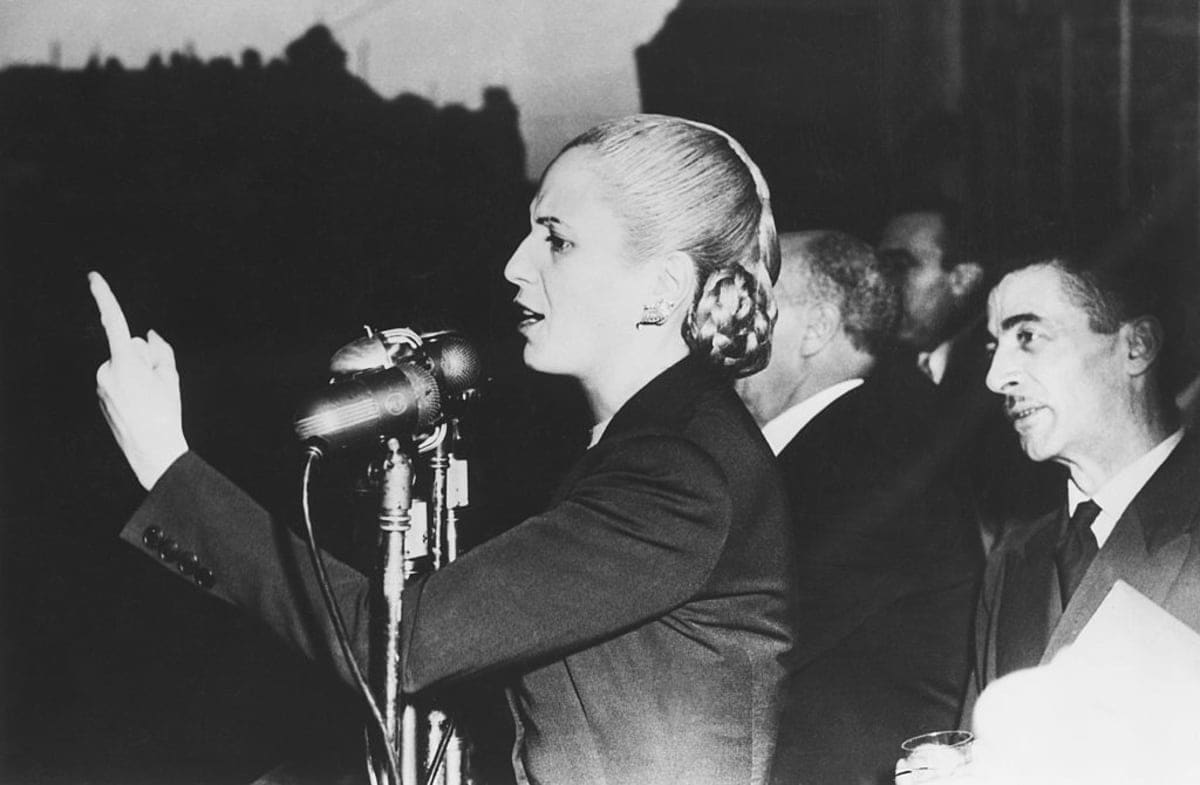
According to the National Center on Elderly Abuse, the population of seniors aged 65 and above has been steadily rising since the 1900s. It is expected to reach around 18 million by 2050. One of the New York studies revealed that 260,000 (1 in 13) older adults in the state of New York had been victims of at least one form of elder abuse. And the forms are endless, so are the perpetrators. The highest form of abuse was verbal, and one can only imagine how shattering it is to think that we treat our seniors with cruel inferiority. Perón recognized that and decided to change it when it was needed most.
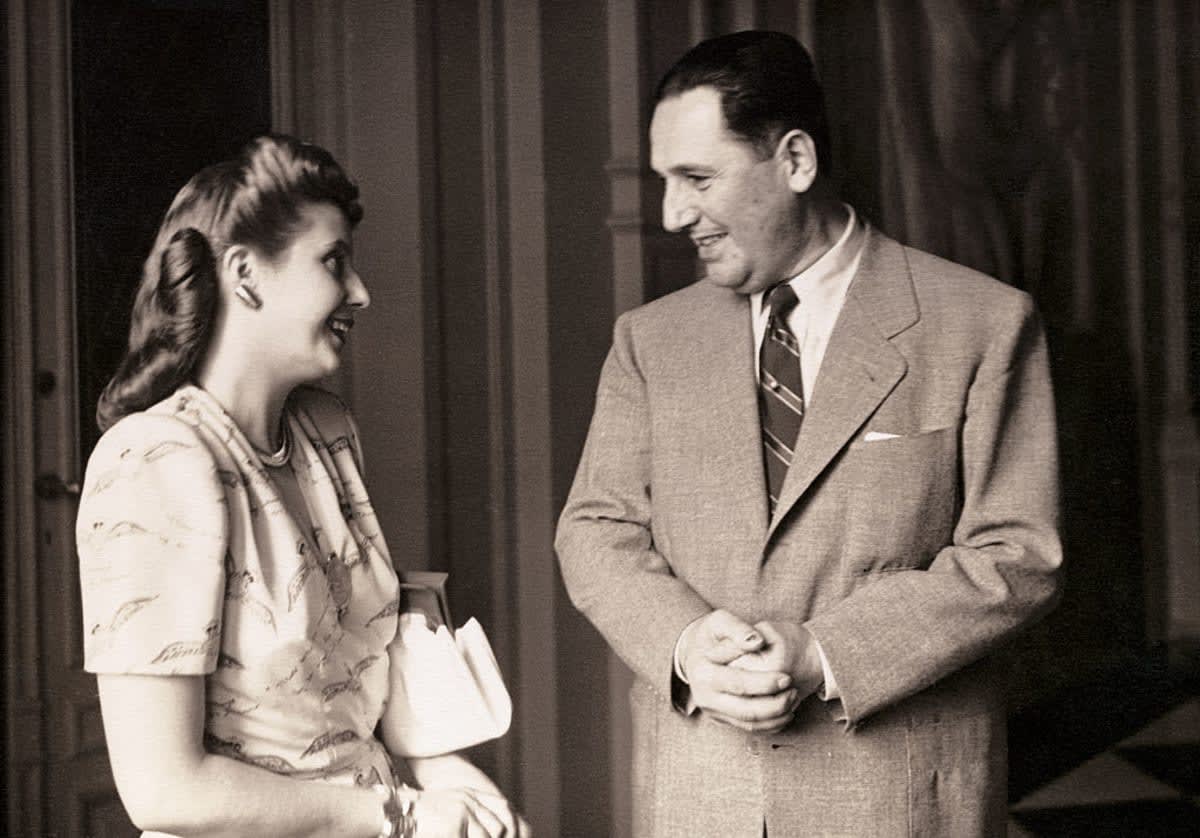
In her speech in December 1948, she boldly declared, “No one has the right to ignore the voices of those who have worked all their lives and do not now have the possibility of spending their last days in tranquility, but rather are condemned to a sorrowful, anguished, desperate old age. No society, no government has the right to ignore the morality of their cries." What started as a heartfelt wish out of humanity went on to become a crucial element of history, changing the lives of seniors for the better.
More on Scoop Upworthy
You can now 'Adopt a Senior' and gift a happy Christmas to the elderly living in assisted facilities
Bank reimburses life savings of elderly depositor with dementia after he lost it all in a scam
Quick-thinking elderly nun outwits thieves on her own: 'She’s one tough cookie'
 Share on Facebook


