Company refused to reimburse a $26 parking receipt — so the employee followed the travel policy and tripled the cost
The message explained that 'as per Travel & Expense policy,' driving-related costs required additional documentation before they could be claimed.


Travel policies are meant to keep company spending organized, but sometimes the rules end up doing the opposite. One employee recently shared how a simple £20 ($26.75) parking expense turned into a much bigger bill for their company after a reimbursement request was denied. The story, which has gained 12k upvotes so far, was posted on Reddit by u/ConfusionOwn8378. The employee explained that they regularly travel by train to their company’s head office in the UK, which is within walking distance of local connections, and usually pay the small bus or transit fare themselves.
One particular trip was different, though. The employee had recently moved house, and driving to the station seemed like the easiest solution, even if it meant paying for parking. "I needed to get back for an appointment when my return train got in and wanted the car there to make it on time." As many employees do after a business trip, they submitted their expenses afterward. The claim included the parking receipt, which came to £20 ($26.75), notably higher than the usual cost of public transport.

The employee expected it to be reimbursed without much issue, but instead got an email from the company shutting down the request. The message explained that "as per Travel & Expense policy," driving-related costs required additional documentation before they could be claimed. That included completing a specific "Driving for work" attestation and submitting updated proof of car insurance showing the vehicle was covered for work travel. "I was unable to claim driving-related expense without completing a specific 'Driving for work' attestation and supplying updated car Insurance proving my car was insured (by me, at cost to me personally) for driving for work," they wrote.
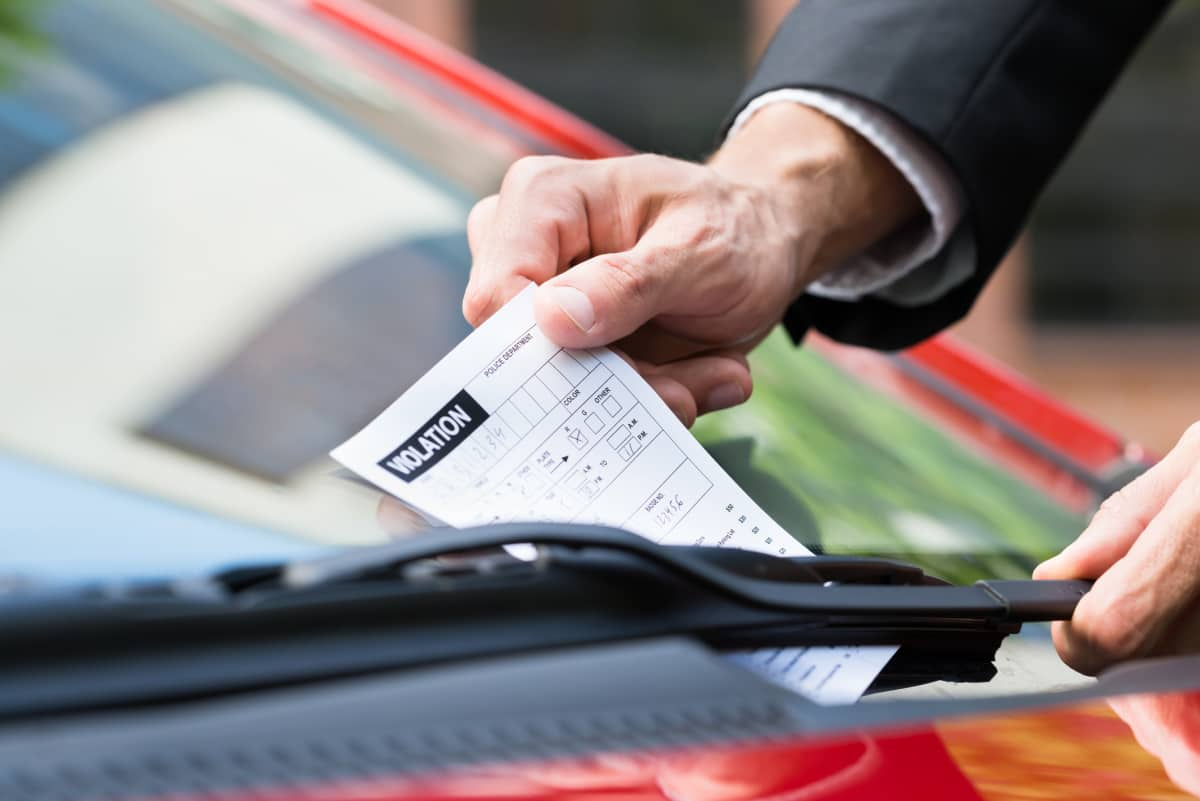
Travel-related costs and reimbursement issues can add up, and many employers don’t even bother reimbursing what they owe. A report by the Workers Union surveyed 2,000 employed adults in the UK and found that 22% of workers didn’t claim back legitimate work-related expenses in the past year, resulting in an estimated £1.4 billion ($1.87 billion) left unclaimed across the workforce, with parking fees specifically making up about 15% of those unclaimed items.

Faced with the choice of jumping through paperwork for a small reimbursement, the employee decided the £20 ($26.75) simply wasn’t worth the effort. "But if we're going to force compliance with the Travel & Expense policy, two can play that game," they wrote. Instead of taking the usual 2-hour and 52-minute train, they began to take a 3-hour and 4-minute train. "Making them, under the Travel & Expense policy, eligible for First Class travel." The longer travel time also unlocked another benefit buried in the rules. "As my journey time is longer than 3 hours, as per Travel & Expense policy, I'm now eligible for overnight stays, which of course means that I can submit expenses for meals as I'm away from home in a hotel for my evening meal," they wrote.
Transportation at odd hours also became part of the plan. The policy covered "reasonable travel expenses," including taxis when public transport runs at inconvenient times, and the same applied to the return trip late at night. Those rides cost around £40 ($53.54) each, far more than the few pounds the employee previously spent on public transport. "I think I've more than tripled the cost of my having to travel to head office on each trip, purely out of spite over £20," they wrote.


Readers jumped into the comments, pretty satisfied with the malicious compliance. u/marilu7 wrote, "I am currently in a nonsense discussion about travel expenses with the travel department, too. Thus, I appreciate your contribution." "As a worker grunt who approves/denies expense reimbursements, I'm so sorry. We know it's dumb. 9/10 times it's the CFO or director who wrote these dumb rules," said u/luckyladylucy.
More on Scoop Upworthy
Company forces contractor to follow 'no phone' policy and ends up losing more than $100000
 Share on Facebook


