Disabled woman was told she couldn’t charge her mobility device at a public library. She asked for the policy — 30 minutes later, they apologized
Bryanna Copes did not want anyone else to go through what she experienced

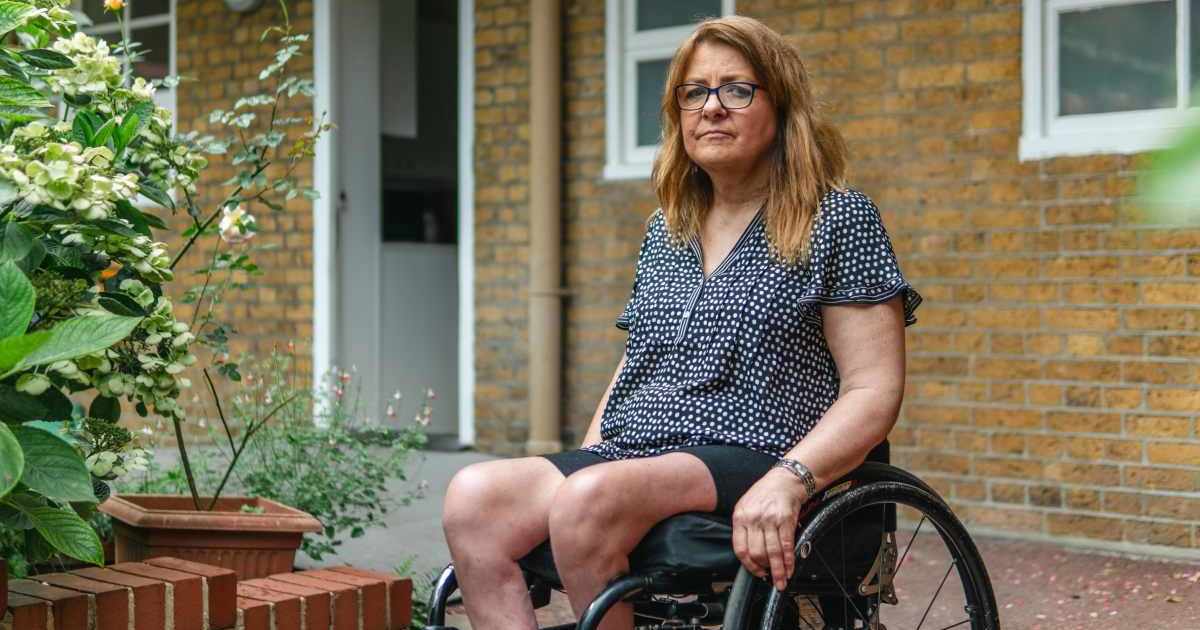
Libraries are expected to accommodate people with disabilities, but Bryanna Copes (@bryannacopes), a disabled mother and content creator, had a different experience at the Garden City Public Library in New York. Copes noticed her SmartDrive for her wheelchair was running low on battery and plugged it in. Immediately, the security guard came and told her she was not allowed to charge her mobility device. Confused, she asked to see the library's policy. 30 minutes later, the conversation took a very different turn. The video was shared on June 18, 2026 and it received 213,000 views, 18,400 likes, and 1,554 comments.
Not just 'any' electronic device
Copes had a SmartDrive that helped her push her wheelchair. When she noticed it was low on battery, she plugged it in at the library. However, a security guard told her she couldn't charge it there because of the lithium battery. She asked if he would tell her to do the same if it was a power chair, and he gave the same answer. She was confused because her SmartDrive was a mobility device and not an ordinary electronic device. She used it to move from one place to another.
The security guard told her to talk to a library staff member. "I was feeling kind of uncomfortable, waiting for someone to talk to me," she said. 15 minutes later, the staff member came to tell her the same thing. Now, Copes needed to know what rule she was breaking by charging her SmartDrive. "I asked if there was any policy I was breaking, or you know what it was," she said.
Apology not found
15 minutes later, the staff came back saying she had reviewed the library policy and found out that Copes was right. She was allowed to charge her mobility device using the library's outlets. Copes then took the matter to the Library Director and the National Library System. She did not want to get anyone into trouble, but she wanted to use her experience to educate and spread awareness. She said, "If this happened to me, it possibly happened to someone else. I'd rather use this as a point to educate people rather than just stay quiet." Although the library addressed the issue, they never offered Copes an apology.
Library access for everyone
The 2027 survey conducted by the International Federation of Library Associations and Institutions (IFLA) found that the most common accessibility service offered by public libraries was services for people who are blind or visually impaired (75%), followed by mobility-related services (72%), services for people who are deaf (49%), and services for people with dyslexia or other learning disabilities (38%). Additionally, the reason why Copes wanted clarification was that the Garden City Public Library policy clearly stated that it "affirms its support of equal access for persons with disabilities and the Americans with Disabilities Act (ADA)."
'It honestly feels dehumanizing'
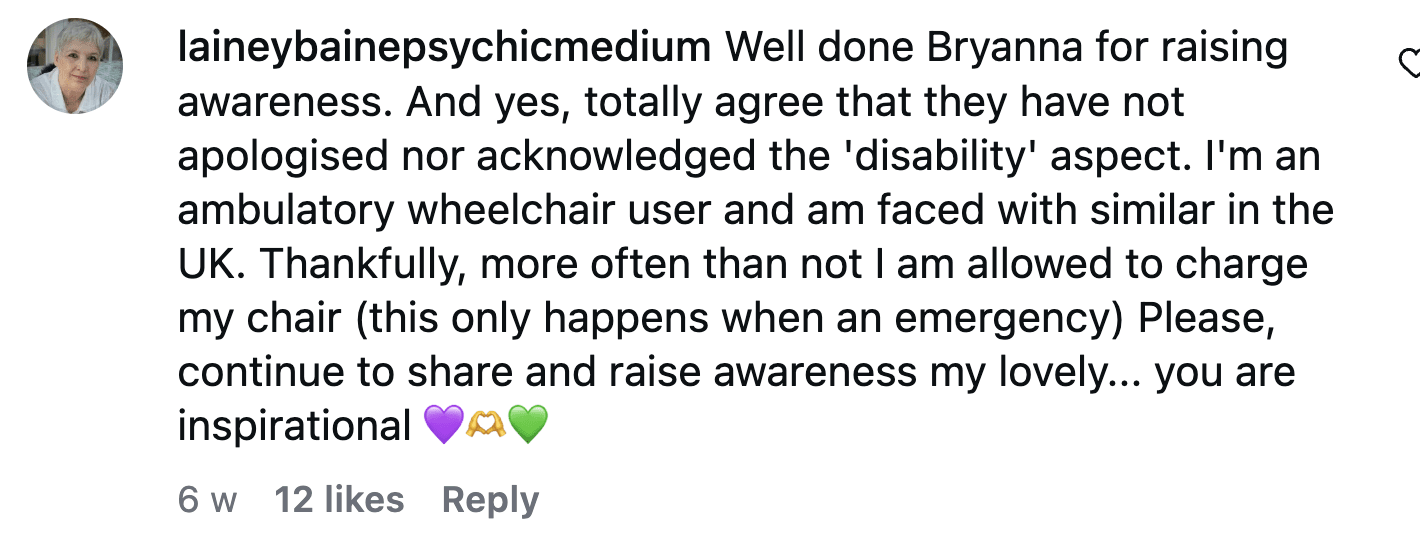
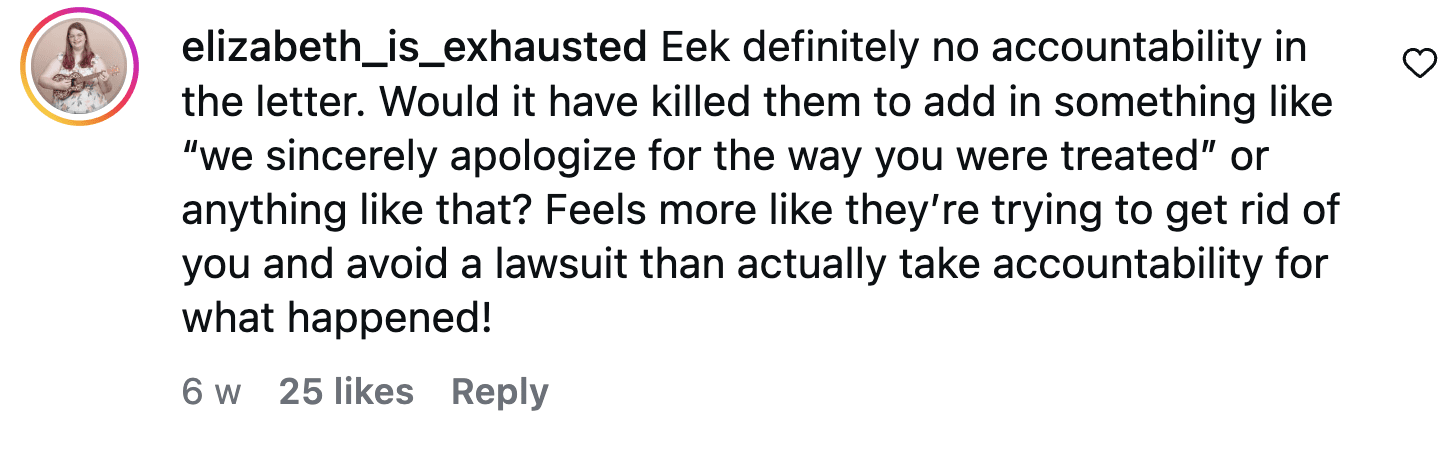
People applauded Copes for trying to spread awareness for disabled people, but criticized the library for their lack of accountability at the same time. @aliaatr90 wrote, "I do agree, an 'incident' does not necessarily mean there was any wrongdoing. No accountability, but I hope they follow through with educating their staff." @longdumpy commented, "I've had these similar non-apology incidents happen to me and my friends who are disabled. It honestly feels dehumanizing."
You can follow Bryanna Copes (@bryannacopes) on Instagram for more lifestyle content.
More on Scoop Upworthy
Man shames woman in wheelchair for using disabled parking spot— her powerful response is inspiring
This article originally appeared 1 month ago.
 Share on Facebook


