Handwritten warning said ‘do not build over’ an old California oil well 20 years ago. Homes went up anyway — now 6 kids are paying the price
New revelations could finally get these Ladera Ranch kids justice

Warnings exist for a simple reason: to prevent the unthinkable before it happens. Decades ago, a critical caution was formally documented by state and oil engineer Floyd Leeson before developers broke ground on the picturesque enclave of Ladera Ranch, California. Yet officials and builders pushed construction over the abandoned petroleum well, leaving a community of more than 26,000 completely in the dark. As a result of this, several families are paying a steep price, as reported by CBS LA on July 22, 2026, gaining over 12,000 views so far.
An ignored warning
Before the suburban master plan was finished, California regulators were explicitly alerted to underground hazards. In February 2002, Leeson penned a stark directive on the Department of Conservation permit, as reported by the New York Post. "This well is not to be built over without further consideration," he marked twice with a pencil. However, despite this warning and an instruction to put this in the final letter, the state supervisors signed off on the site. Shortly after that, construction began over the petroleum well, leaving the unaddressed hazard buried beneath expanding residential tracts.
A pattern of diagnosis
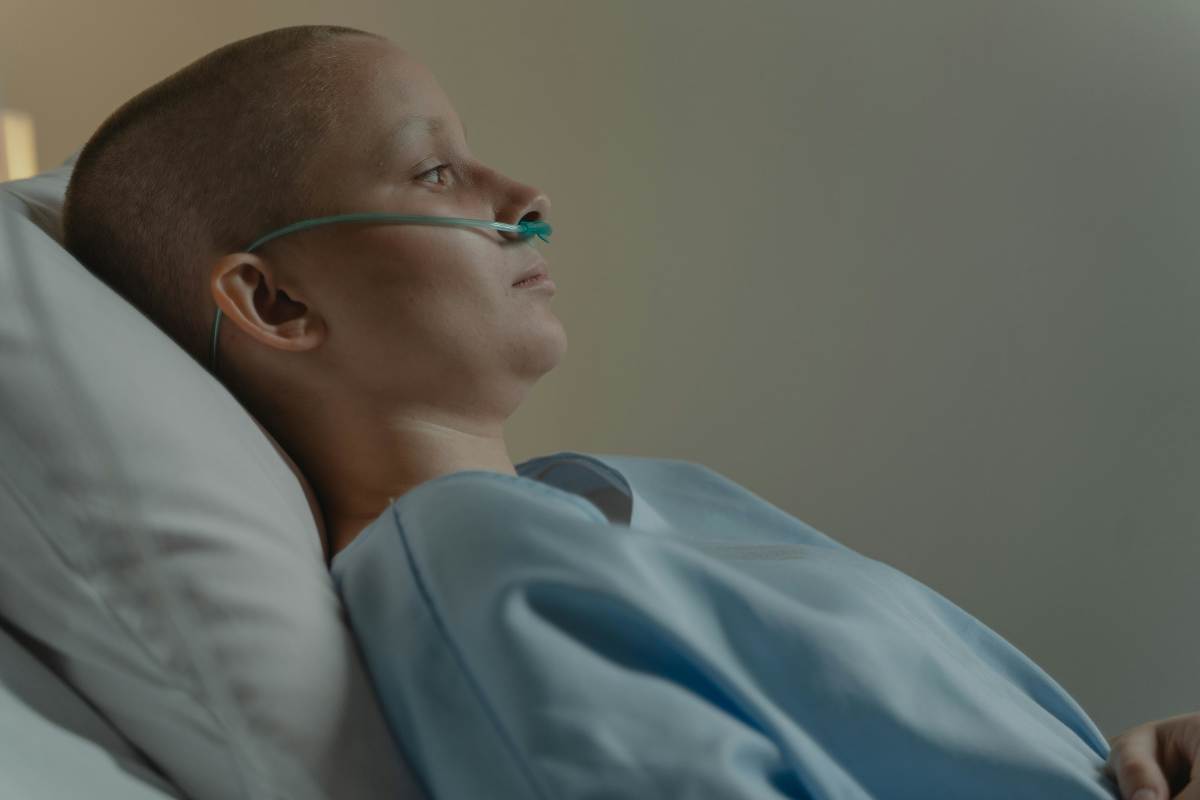
Years later, between 2013 and 2024, the tranquil neighborhood began seeing a spike in Ewing sarcoma, an aggressive soft tissue cancer so rare it typically strikes only 200 American youths annually. Among those six diagnosed was Ryan Reegan, whose condition spread aggressively across his body until his death. "There is something wrong here. I had never even heard of this kind of cancer before," his mother, Bonnie Regan, said.
'I don't want another family planning a funeral instead of a future'
Frightened by the cluster, residents organized Ladera Health Watch to document illnesses among children, adults, and household pets. Initially, their focus was maintenance practices, as they were concerned about pesticides. "We're very concerned about pesticides that are being sprayed all around the community," resident Liesl Heidt said. However, upon realizing the truth about the energy infrastructure beneath their houses and dormant wells leaking subterranean toxins into local soil and groundwater, the residents got to know about the real issue.
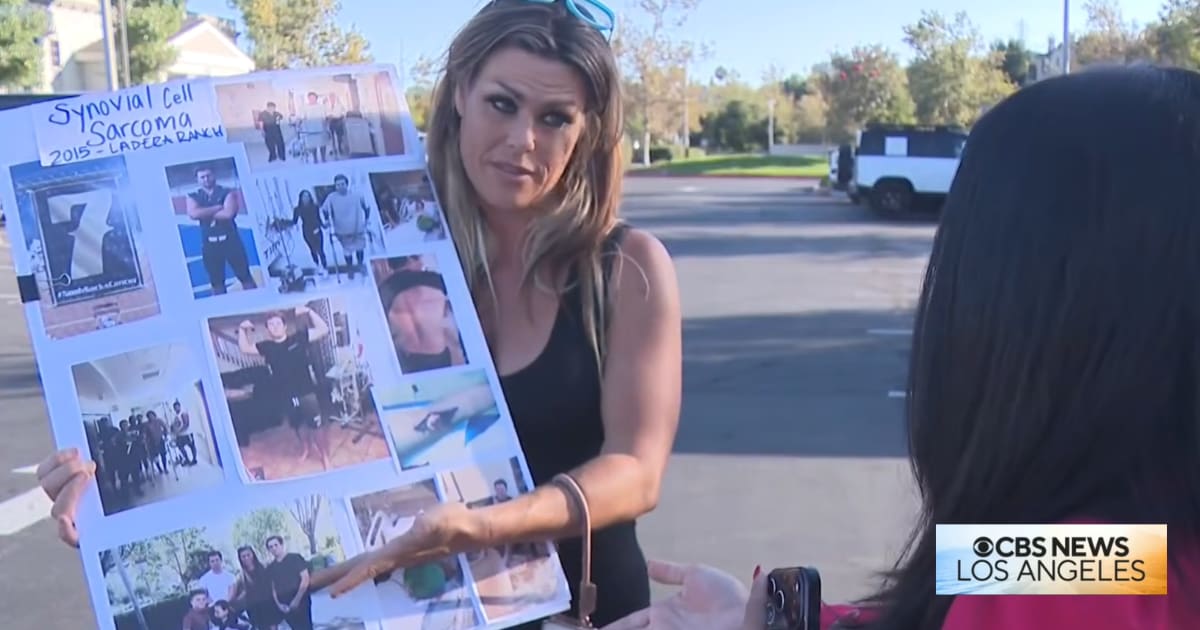
The concern also extends further back than the recent diagnoses. At the community meeting, Lisa Edgerton said her son battled a similar rare soft tissue sarcoma in 2015 when he was just 15 years old. Now in remission, she attended the meeting with his family to make sure earlier cases were not forgotten. “I needed to come and make sure that we were remembered, that there were more cases back ten years ago,” she said. Brian Dalton, who lost his daughter Lilly in January to Ewing sarcoma, also addressed the packed room. “I don't want another family planning a funeral instead of a future,” he said. Medical experts soon took notice of this statistical anomaly, noting that this is definitely a cause for concern in the community.

They suggested a 'clerical error'
Despite this, when the archival 2002 memos came to light recently, state regulators suggested that the handwritten caution might've simply been a "clerical error." Environmental health specialists, however, rejected that dismissal. "I wouldn’t assume that the statement means the well was known to be hazardous. But I also would not dismiss it," said Karen Lincoln, director of the Center for Environmental Health Disparities Research at UC Irvine. She explained how it was important for the developers to address the issue before moving forward with the construction.
One in a million chance
Ewing sarcoma, the type of cancer that has affected the six Ladera Ranch children, accounts for just 1% of all cancer cases annually across the United States, according to the American Cancer Society. Historical data show that this tumor generally develops in teenagers but can also occur in younger children and adults. Moreover, it is more common in males in comparison to females. At the same time, it also seems to occur more frequently among non-Hispanic white people and among American Indian and Alaska Native people.
'Test everything!'
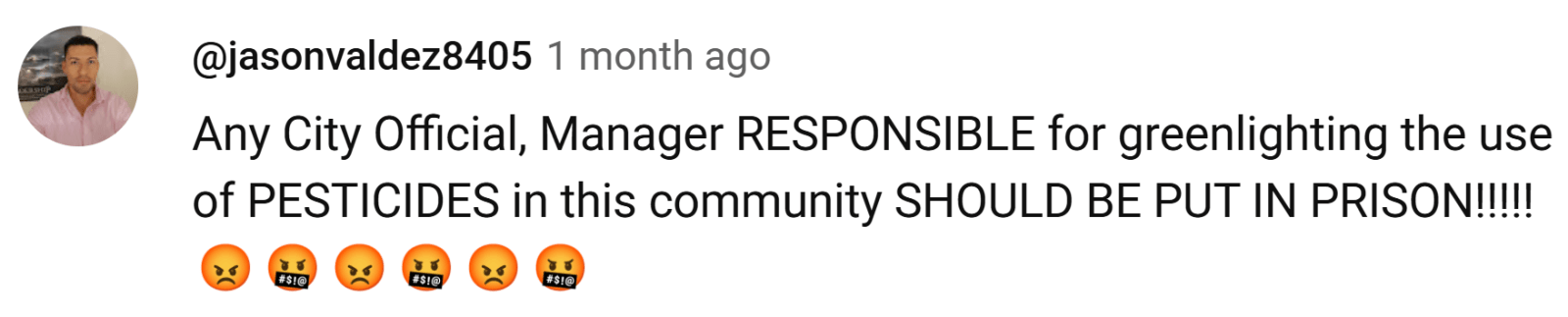

The investigation is going on at the moment, and the government has yet to establish a link between the abandoned wells and these cases. However, the people believe that there is a connection. @marisol9660 noted, "One thing I’ve been wondering is whether the apparent increase could be partly explained by the community’s demographics. Since Ewing sarcoma is known to occur much more frequently in people of European ancestry, could a higher proportion of residents with that background in Ladera Ranch make the rates appear higher?" Meanwhile, @carolwilber8979 noted, "THERE HAS TO BE A CONNECTION; TEST EVERYTHING!!!!!!"
More on Scoop Upworthy
 Share on Facebook


