HOA ordered woman to get rid of her 17-year-old 'bee-saving' garden because it wasn't pretty. The court drew a line no HOA can cross
A neighbour had complained to the HOA that their pollinator garden was breaking the rules


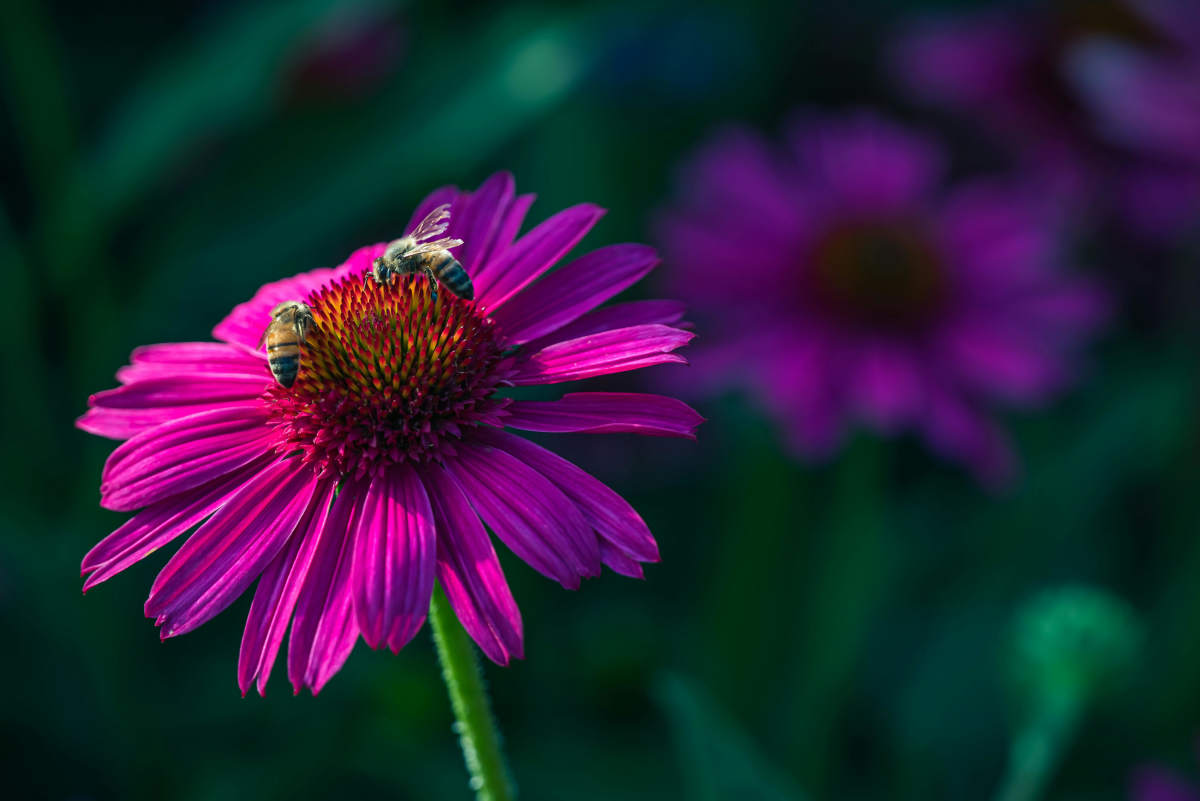
For 17 years, Maryland resident Janet Crouch carefully cultivated a thriving pollinator garden filled with native plants and flowers that attracted bees, butterflies, and other wildlife. Then, in 2017, a neighbor complained that the yard looked unkempt, triggering a battle with the homeowners' association that nearly forced the couple to tear it all down. Instead, Janet and her husband Jeffrey fought back — and their case eventually helped inspire a new state law protecting pollinator-friendly gardens. Their story is detailed in environmental researcher Jennie Durant's new book and was recently highlighted by Live Science.
Pollinator sanctuary
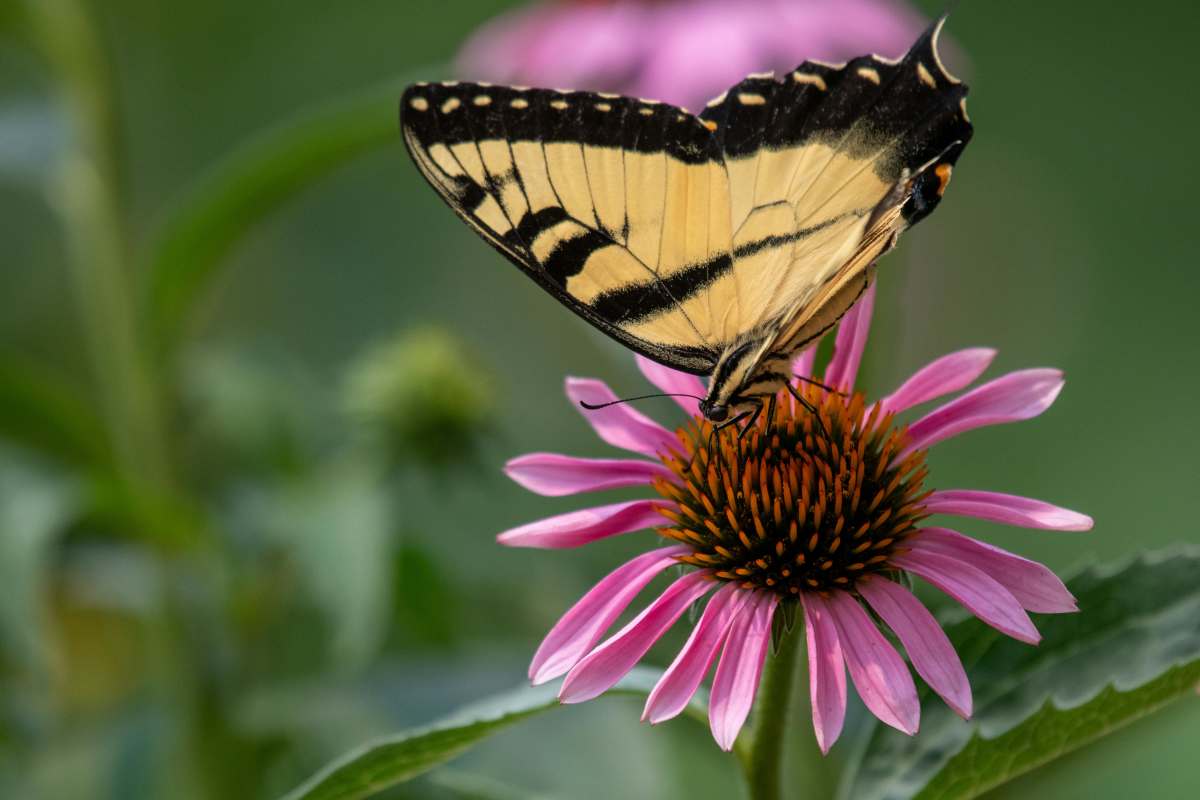
It started in 1999 when the couple moved into their house at Beech Creek. Over the next few years, they converted their garden into a pollinator sanctuary. Bursting with colorful native plants, it provides food and shelter for pollinators such as bees, butterflies, and moths that play a critical role in maintaining healthy ecosystems.
"He'd come home from work, drop his keys, and head outside to see who was around," Janet described, referring to Jeffrey. "He'd check to see what new flower had bloomed, what butterfly or moth was in the yard, or spot a bird we hadn't seen before. It's become a huge, huge part of our lives." They also worked with Janet’s sister, Nancy Lawson, who encouraged them to plant flowers like cardinals, milkweed, sunflowers, and coneflowers.
Thwack on the heart
In 2017, a neighbour must have found a hummingbird or a goldfinch as a pestering nuisance, for they filed a complaint against them. HOA sent them a letter, threatening them to pull out their garden and get a manicured lawn like everyone else. In the first letter, they had asked the couple to practice seasonal maintenance, like mowing the grass, trimming overgrown plants, and tidying up. The Crouches responded by saying they were already doing these things. Then, around Thanksgiving, they received a cease-and-desist notice from the HOA. After 17 years of cultivating their garden, they were being asked to tear it all up. They only had 10 days to do this or else face legal action.
Battle for the bees
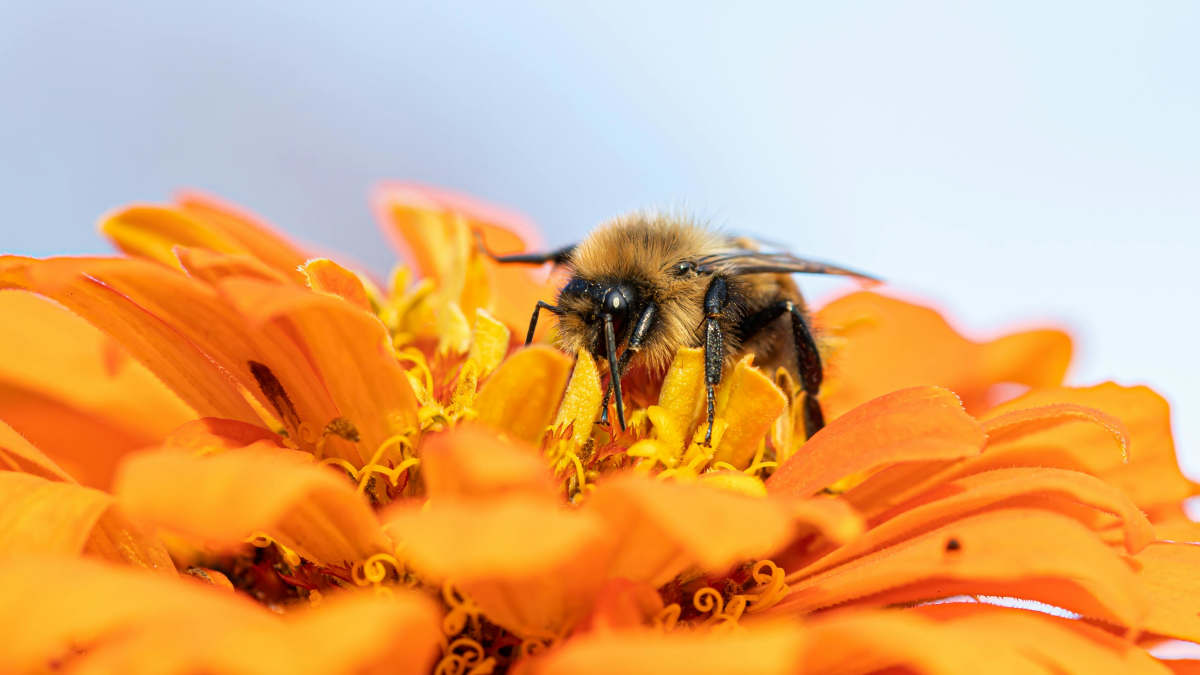
Thanks to the couple who kept fighting for the pollinating creatures. After six months, their case caught the attention of state legislators, and a new law was passed in Maryland. With testimonies from Lawson and several environmental groups, the Maryland House Bill 332 was passed in October 2021. "Now people know if they fight back, they can win," ecologist Douglas W. Tallamy told the New York Times.

According to a report by the Cyber Citizens for Justice, 33% of residents who have never served on an HOA board hate their HOA, and 27% say the demand for landscaping and lawn care is the top reason. That probably is the reason why more and more American homeowners are gravitating towards rewilding their lawns by replacing conventional turf grass with native plants, per ABC 7 News. The National Gardening Survey of 2,061 US adults also suggested that the number of Americans planning to turn their lawn into native wildflowers doubled from 9 percent in 2019 to 19 percent in 2021.
In a study published in Current Biology, researchers mentioned that without these vital environments, the planet experiences what they call an “insect apocalypse,” in which 40% of the insect species are at risk of extinction. Tallamy said that most residential landscaping projects turn these pollinator-friendly environments into "ecologically dead zones."
'The only way forward is to coexist'
“This idea that humans and nature cannot coexist is destroying the entire planet, which in turn is destroying humans. The only way forward is to coexist,” explained Tallamy. For the Crouches, there was no alternative except to keep going. Eventually, they sued the HOA board, claiming the lack of actual violations. During the months-long tug-of-war, the couple became more and more propelled to fight back and save their precious environment. "I was more determined than ever to keep going," said Janet.
More on Scoop Upworthy
He rescued thousands of stranded bees after receiving a stranger's plea
Montana youths win environment case against the state, taking one step forward to being the change
Physicist's 60-second message on saving the planet is impacting everyone around the world
 Share on Facebook


