Feel lost inside a Costco? Manager's wife hints at intentional 'treasure hunt' layout to fuel impulse buys
'YEP. I go in with a list and leave $400 later,' one wrote.


Have you ever walked into a warehouse store for one simple item and found yourself circling multiple sections before you could even locate it? For many shoppers, the experience feels less like a straight grocery run and more like a scavenger hunt. A recent exchange on Threads suggested that the confusion may not be accidental, and that it could actually be part of how the store drives sales. It started when Threads user @brittneymaydavis posted a lighthearted plea. In a post that has garnered 27.9k likes so far, she wrote, "Hi, Costco, can you please add signs to your aisles? Sincerely, someone who came for eggs and is now emotionally lost near the kayaks."
The post gained traction, with shoppers chiming in about similar experiences of wandering through Costco aisles trying to locate a basic grocery item. Among the replies was one from @kerripepper, who identified herself as the wife of a Costco manager. "As someone who is married to a Costco manager, I will tell you they will not. People being emotionally lost is exactly how they sell those kayaks. It’s why they move stuff so often. Because if you have to search, you will impulse buy more."
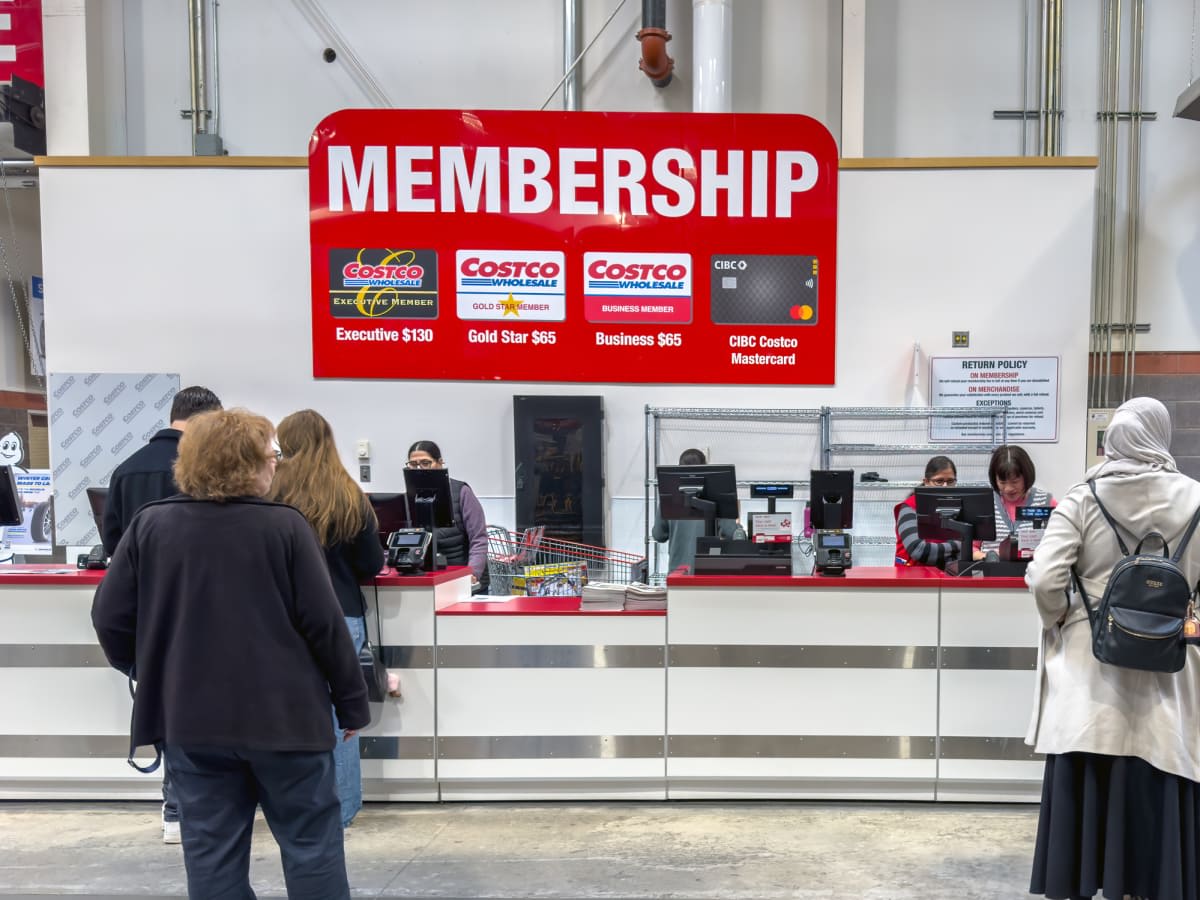
Her comment confirmed that the layout is intentionally done in this manner to market the products that are not consciously bought. Retail research supports the idea that store design influences purchasing behavior. According to a consumer-behavior report summarizing findings from the POPAI Shopper Engagement research, up to 76% of buying decisions were made in the store during shopping. On average, shoppers miscalculate their total spending by about 35%, whether they underestimate or overestimate it. Even after factoring in impulse buys, 57% still end up spending more than they intended. Among those who admit they overspend on impulse items, the actual amount typically exceeds their expected impulse spending.
Business Insider explains that Costco is known for its "treasure hunt" layout, where products are tossed around the warehouse constantly, and inventory is rotated frequently. The design of the aisles changes before opening each day, and while some shoppers think this makes the layout confusing, long-time Costco fans and observers describe it as part of the experience, a constantly changing environment that keeps the warehouse interesting and encourages customers to explore. Additionally, Costco warehouses are designed so staples and other products are placed among rotating inventory. This setup leads shoppers to walk through more sections and increases exposure to surprise deals, as per Cascade.


The exchange continued in the replies, with other shoppers adding their own observations. @pokemominde wrote, "I just got the biggest giggle out of this… their marketing plan is spot on." @joelbuchanan added, "Well, and every grocery store puts the milk and eggs at the farthest corner of the store. We know this is how marketing works. Costco is just following a marketing plan. Just be aware it's happening. But thanks for confirming the theory." @jess_gettin_it said, "We appreciate the honesty. Can you give him the feedback that they need to sell caffeinated drinks? And separate from the food court. I need a ‘while I am shopping’ drink if I have to hunt. OKAY THANKS!!!"
More on Scoop Upworthy
Man shares a valuable trick to take complete advantage of Costco membership using gift cards
Millionaire reveals simple Costco 'cents' hack and it might change how you shop there forever
Here's why many companies are letting women opt out of 'Mother's Day' marketing emails
 Share on Facebook


