Doctors tried discharging her despite ChatGPT's grim warning. Then a nurse put her job on the line
When she reached the hospital, the doctors just wanted to put a catheter and send her back

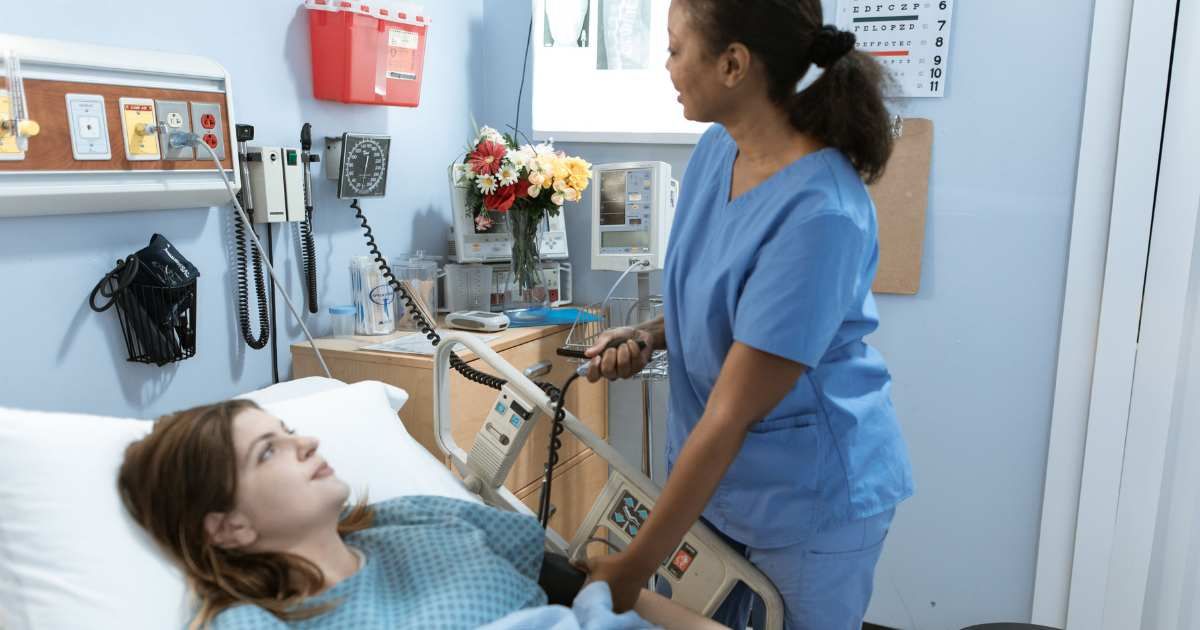
AI chatbots may not always be trustworthy, but there have been instances when they've literally helped save people's lives. Well, Ohlyvia Rhyleigh (@ohlyvia.rhyleigh), a photographer from Tennessee, can definitely vouch for it. On July 12, 2026, she took to Instagram to share a recent life-threatening medical emergency she experienced post-surgery. A week after her operation, Rhyleigh started bleeding. When she reached the hospital, a doctor was almost about to send her back home after inserting a catheter. But thanks to ChatGPT and an angelic nurse's advocacy, Rhyleigh was immediately rushed into the OT (Operating Theatre) and saved just in time. Her post has received 998,000 views, 7,323 likes, and 124 comments.
ChatGPT to the rescue
Rhyleigh started bleeding without any obvious reason. In fact, it was so bad that she changed her sanitary napkin every 5 minutes. Worried, she asked ChatGPT to determine what was happening to her. The AI chatbot replied after seeing the photos that there were large blood clots, along with fresh blood. It gave Rhyleigh a list of a few dos and don'ts to follow, but recommended immediate medical care. When she reached the hospital, Rhyleigh revealed that the nurses told her she would've bled out had she not come to them in time.
The angel in disguise
That was just the first part of the health scare. When she got to the hospital, the doctors wanted to put a catheter in her and discharge her. Thankfully, one nurse was determined to find out the cause and the source of Rhyleigh's bleeding before they sent her home. The nurse even told her that she would risk getting fired for saving her. Rhyleigh revealed that she had blood drawn 10 times within 24 hours. Finally, the medical team discovered that three of her stitches from her previous surgery had torn, which caused the excessive bleeding. They scheduled her for surgery within an hour and managed to stop it from getting worse. Rhyleigh expressed she was grateful to the nurse who did not give up on her.
Americans' dependence on AI
KFF (Kaiser Family Foundation) conducted a poll on 'Health Information and Trust' and found that 32% of American adults used AI for health information and advice. People also used AI for advice on their physical health (29%), mental health (16%), and physical or mental health (32%). Furthermore, the report showed that 27% looked up symptoms or general information about a health condition, while 19% asked AI to explain medical tests, lab results, diagnoses, and more. 16% asked AI if they should seek treatment or see a doctor. While Rhyleigh may have used ChatGPT to help her understand her condition, she ultimately went to medical professionals for treatment.
'ChatGPT over 911 is crazy'
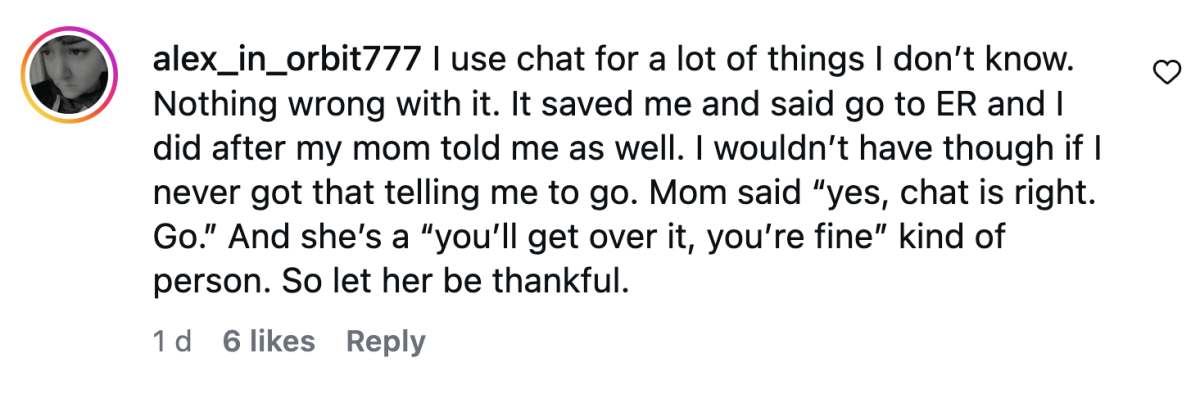
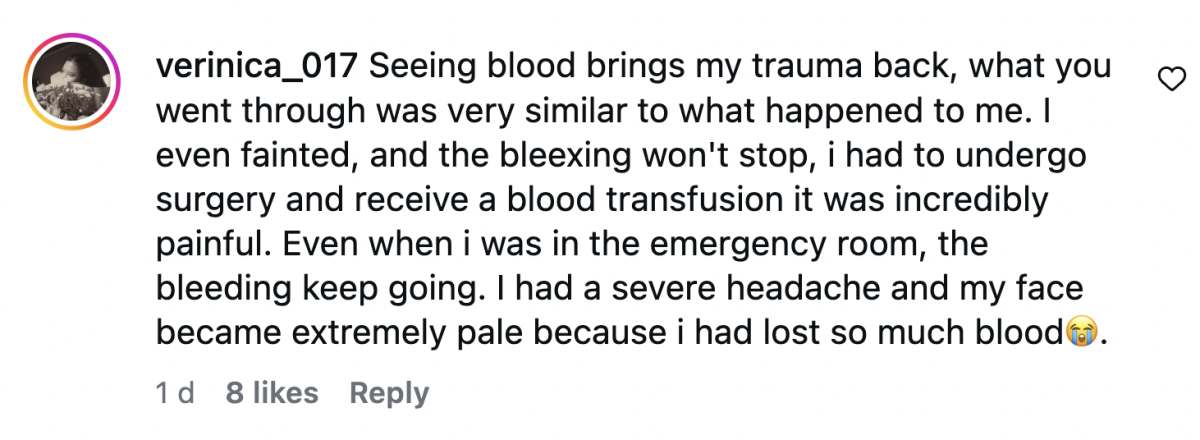
Meanwhile, people in the comments were not happy that Rhyleigh used ChatGPT for help instead of calling 911. However, many wished her a speedy recovery and were glad she reached the hospital in time. @sofiariccardi3 commented, "Asking ChatGPT instead of calling 911 is crazy." @megthom1 wrote, "Trusting ChatGPT with your medical emergency is ballsy. While it worked out this time, keep in mind that AI can be very, very wrong a lot of the time! If stuff like this happens, just call 911 and go to the hospital. Those are the true (and only) medical professionals."
You can follow Ohlyvia Rhyleigh (@ohlyvia.rhyleigh) on Instagram for more lifestyle content.
More on Scoop Upworthy
AI recognizes man's cardiac arrest symptoms and asks him to seek help: 'It did save my life'
Vets gave his dog months to live — a man with no biology background built an AI vaccine to save her
Boy suffered for 3 years without a diagnosis, until his mom turned to AI
 Share on Facebook


