She panicked as ChatGPT insisted she was having a stroke. One test later, she was crying happy tears
'My brain just stopped working. I suddenly couldn’t form sentences. I couldn’t understand words,' Ashley admitted

With widespread use of artificial intelligence (AI), people tend to rely on it, even for medical advice. However, what most users forget is that AI chatbots also make mistakes. On July 2, 2026, Ellen Ashley (@ellenmarshal), a woman from Indonesia, took to Instagram to share how she panicked, thinking she would die after ChatGPT told her the symptoms pointed to a mini-stroke. Worried, she rushed to the hospital, only to return with completely normal blood and computed tomography (CT) scan reports. Two days later, a simple test following an intense workout session brought her happy tears. Ashley's post has received 1 million views on her page.
ChatGPT triggers panic
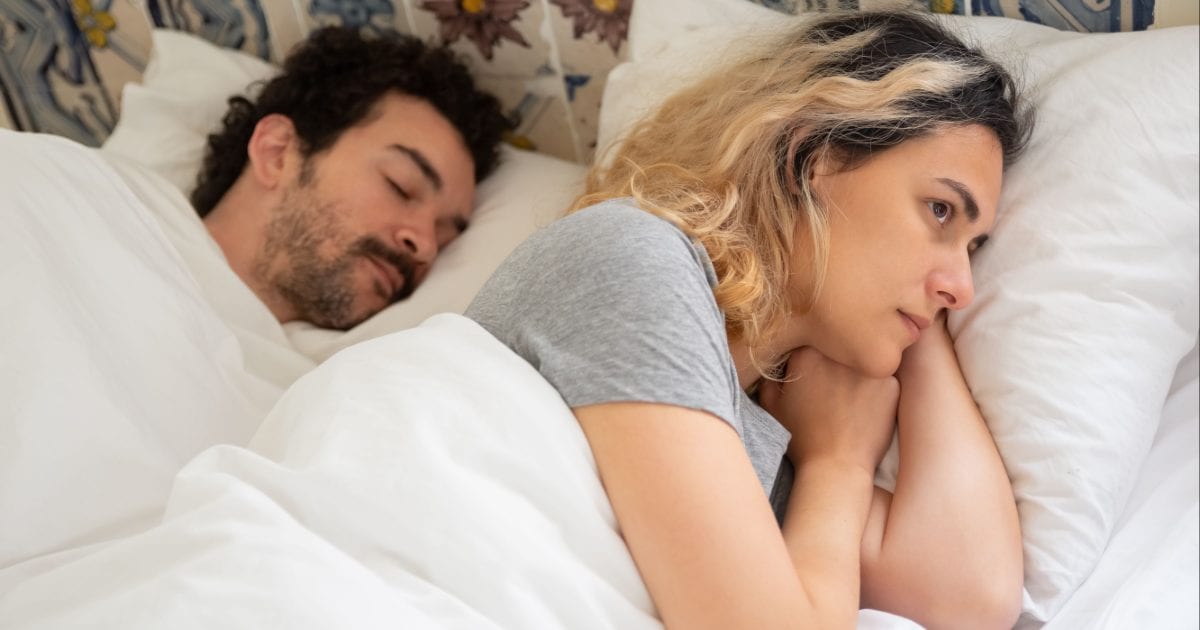
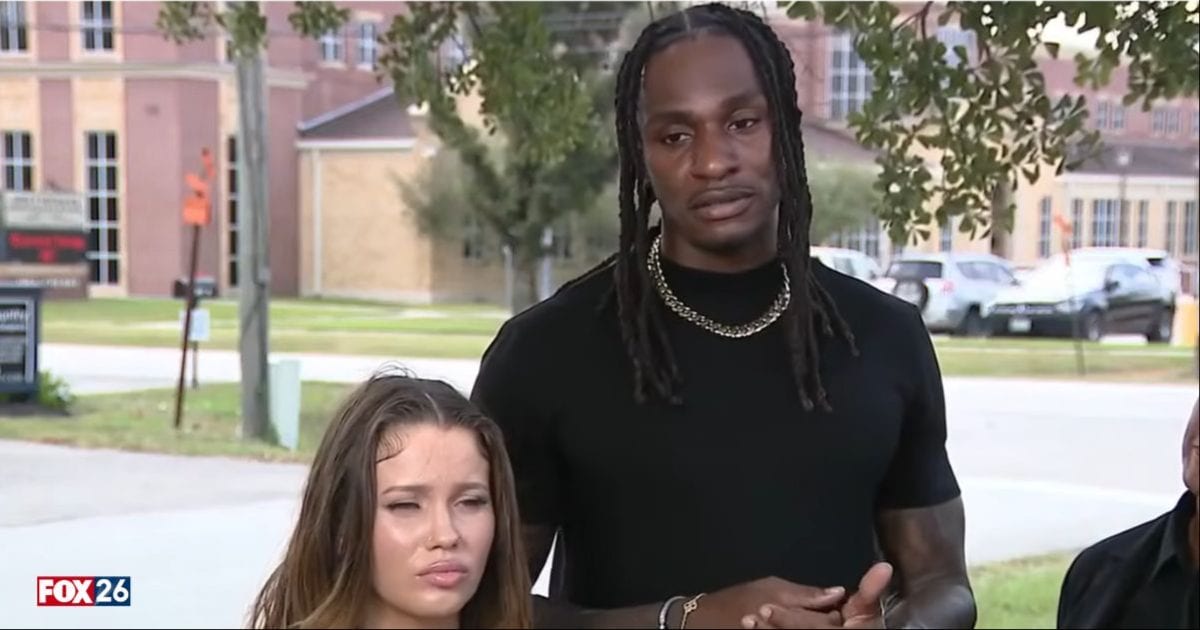
On a random Saturday evening, Ashley suddenly felt something off about herself. "My brain just stopped working. I suddenly couldn’t form sentences. I couldn’t understand words. I couldn’t communicate," she recalled. Moreover, her arm went numb. Her partner, Connor, immediately turned to ChatGPT to confirm her symptoms. The chatbot revealed that the symptoms pointed to a "mini-stroke." Ashley was worried that she would not wake up the next day. Connor, too, believed he might lose her. Recounting her thoughts, she wrote, "I’ll never forget him looking at me, eyes full of tears, and saying, 'You’re the best thing that’s ever happened to me.'" Tensed, Ashley rushed to the hospital, and the doctors ordered a CT scan and blood tests, but everything came back normal. The couple went home with no concrete answers and couldn't stop thinking of the sudden health crises.
The unexpected surprise
Two days later, Ashley recalled feeling out of breath at the gym. Curious, she took a pregnancy test. To her surprise, the result came back positive, and her worry turned into pure joy. The couple had just decided to try for a baby just three weeks ago, and the news left them thrilled. "Later, I realized the brain disconnect happened roughly 10 days after my ovulation, which could have been the moment the embryo implanted in my uterus. Maybe it was. Maybe it wasn’t. I’ll probably never know," she wrote. Excited, Ashley said, "Whatever pregnancy throws at me, morning sickness, exhaustion, or all of it. Bring it on."

AI reality check
A 2024 study published in JAMA Pediatrics found that ChatGPT had a 'diagnostic error rate' of more than 80%. The AI chatbot was asked to 'List a differential diagnosis and a final diagnosis' using 100 cases from the last 10 years. Researchers found that 83% of the diagnoses were incorrect, 72% were wrong, and 11% were "clinically related but too broad to be considered a correct diagnosis." The findings highlight why AI-generated medical information should not replace professional medical evaluation.
'Stop using AI'
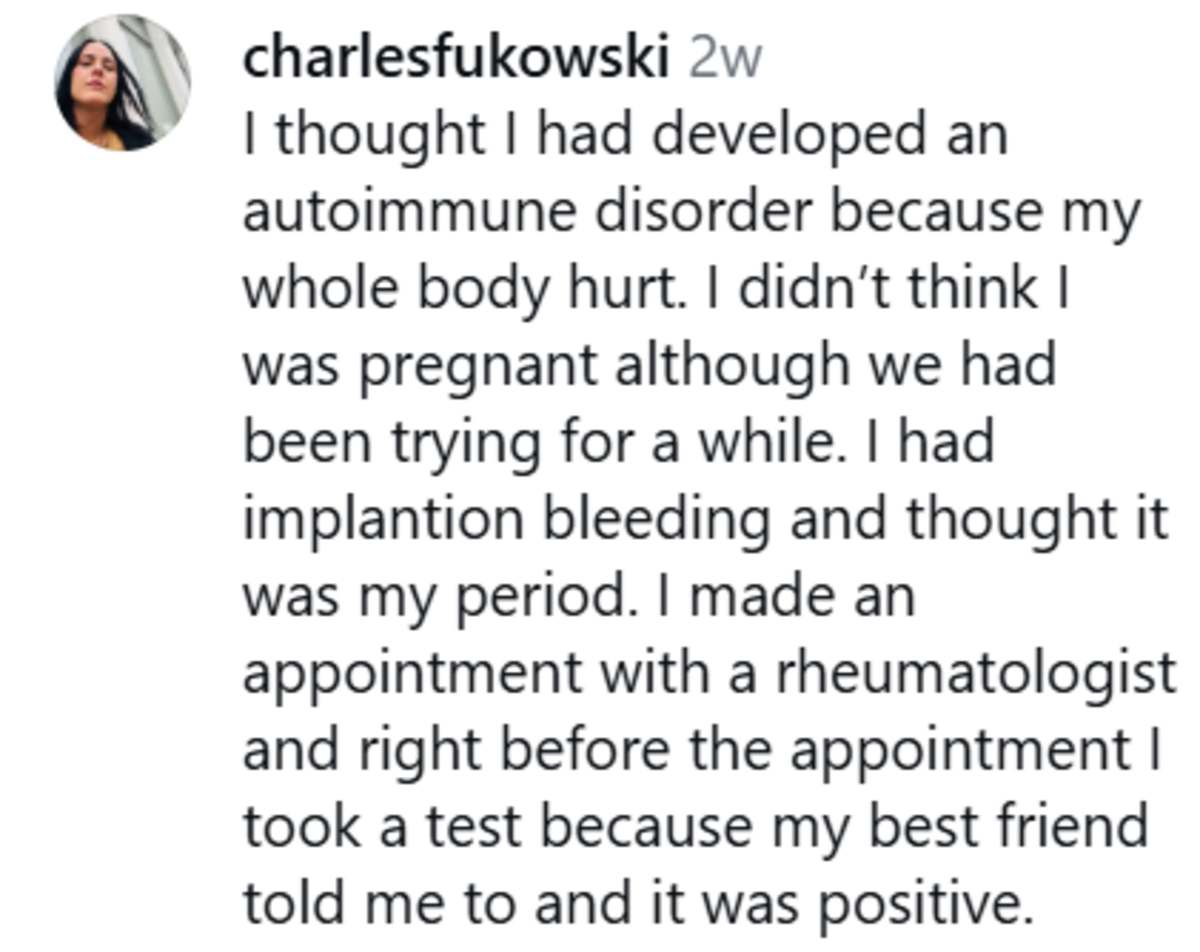
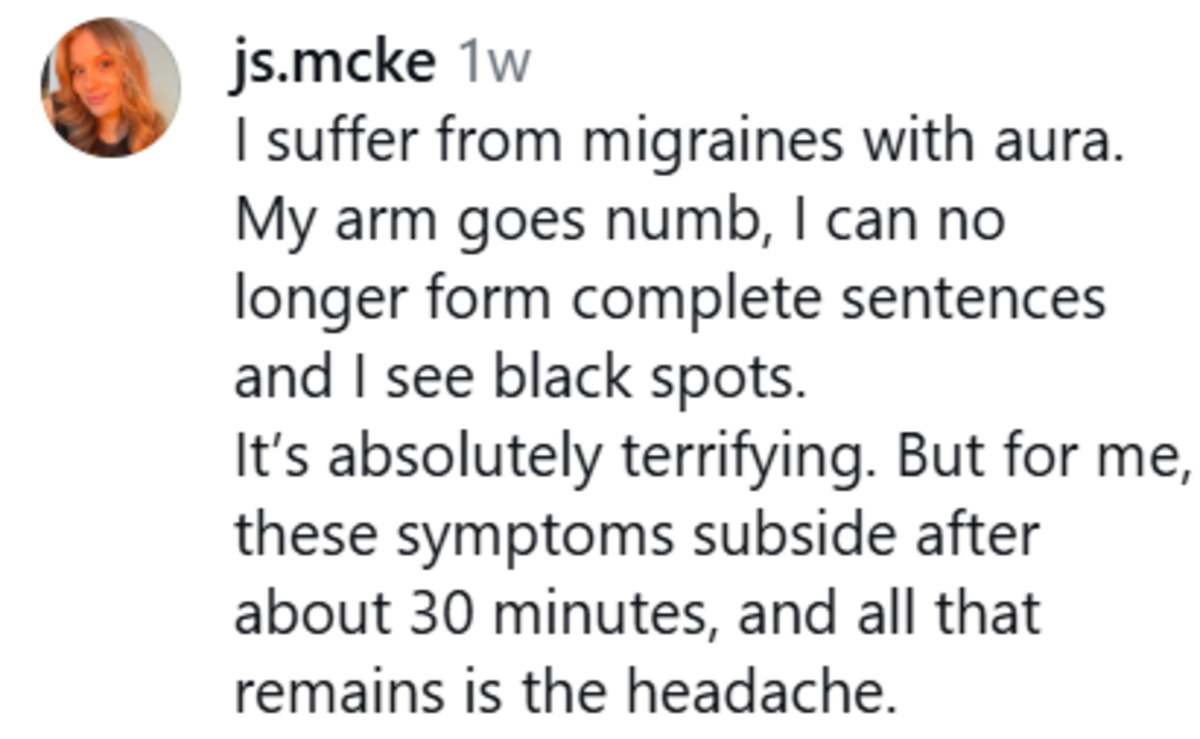
Several women in the comment section shared similar experiences to Ahley's. But people also asked her to stop using AI for medical information. @skellaaaaa wrote, "Bro, please stop using AI, my God. Glad you’re ok." @soundofjoyandhappiness commented, "Wow, what a story. I asked god to give me a baby (literal) 2 weeks later, I swear I felt the fertilization, and now she is almost 15."
You can follow Ellen Ashley (@ellenmarshal) on Instagram for more lifestyle content.
More on Scoop Upworthy
Mom 'stole' her daughter back from adoption center after she was misdiagnosed with brain damage
 Share on Facebook