Charles Darwin's greatest regret in life was not indulging the Arts — and we're making the same mistake
'Music generally sets me thinking too energetically about what I have been working on, instead of giving me pleasure.'

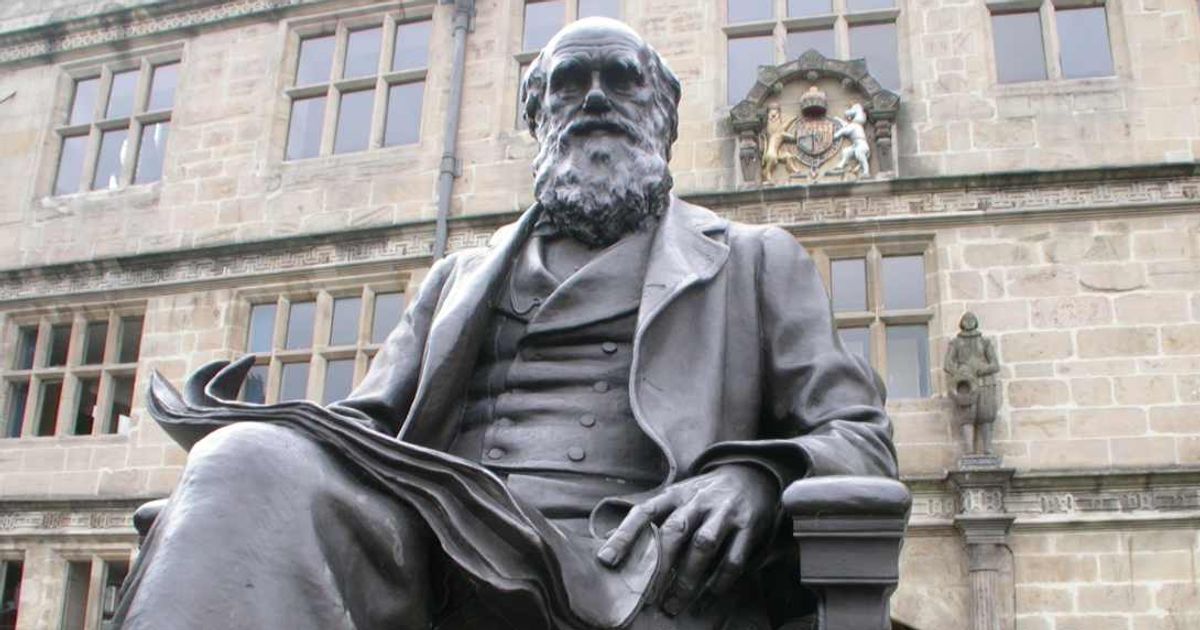
Charles Darwin, known as the 'Father of Evolution' for his groundbreaking work on natural selection, had a major regret in his life. The British naturalist, geologist, and biologist believed his passion for science subconsciously drew him away from celebrating art, music, literature, and the beauty of nature. In his later years, Darwin spent an hour every afternoon reflecting on his life and what it meant to him. Later, he mentioned his biggest regret in the autobiographical notes for his kids called "Recollections of the Development of My Mind and Character." After Darwin's death, his children published them as "The Autobiography of Charles Darwin."
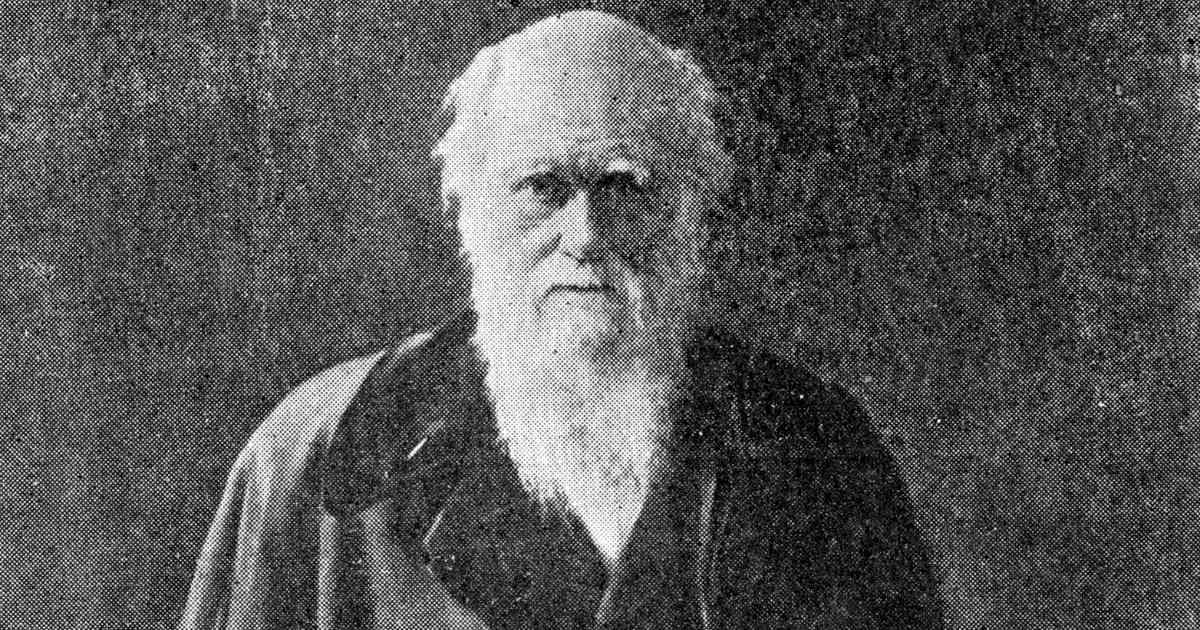
Darwin confessed that he wasn't always like that; he, in fact, loved poetry, music, and pictures, and enjoyed every bit of it. However, gradually, as he grew older, his taste changed. Music that once felt magical was now giving him stress. "I cannot endure to read a line of poetry… Music generally sets me thinking too energetically about what I have been working on, instead of giving me pleasure. I retain some taste for fine scenery, but it does not cause me the exquisite delight that it formerly did," Darwin wrote in his autobiographical notes. He also explained that his mind had become a machine that could only think and interpret science. Darwin explained that he was always so engrossed in his work that he didn’t spend time on poetry, music, or art — a major regret he carried to his grave. However, the biologist said he wouldn't let it happen again if he had the opportunity to relive his life. "If I had to live my life again, I would have made a rule to read some poetry and listen to some music at least once every week; for perhaps the parts of my brain now atrophied would thus have been kept active through use," he said. Losing the ability to enjoy little things in life is a loss of happiness, and it could strain the emotional and moral side of human nature, Darwin explained.
Spending time reading poetry, listening to good music, or just taking a walk outside in nature isn't just for entertainment. In fact, it allows people to momentarily escape the fast-paced, demanding world and steal some time to enjoy what they love. But unfortunately, people are so busy nowadays that they hardly have time for their family or friends. Forget about close ones; they don't even spend time with themselves anymore. A survey of 1,000 Americans by The Ohio State University Wexner Medical Center and College of Medicine found that although 56% of respondents feel alone time is important for good mental health, 46% of respondents say they don't have enough time for it. Similarly, another survey found that on average, Americans only get to spend 9.5 hours per month on themselves, with the biggest barriers being family obligations (50%), work commitments (32%), and financial constraints (24%). Besides the top barriers, social obligation (22%) and guilt of having free time (13%) also contribute to it. The same study revealed that 53% of respondents want more 'me' time than they get, and almost 38% of respondents lie to a partner, friends, or family to get it.
More on Scoop Upworthy
73-year-old shares the valuable lesson she learned from her biggest regret and it's very insightful
Seconds away from death, Dostoevsky realized his greatest regret was wasted time
People over the age of 40 are sharing 10 life choices they regret in the long run
 Share on Facebook