Cartoonist painted fake versions to fool ex-wife during divorce. 35 years later, a $15.4M Rockwell was found in his wall
From the coloration to the boy’s face and the wrinkles in their clothing, something seemed very, very wrong with the painting on the wall

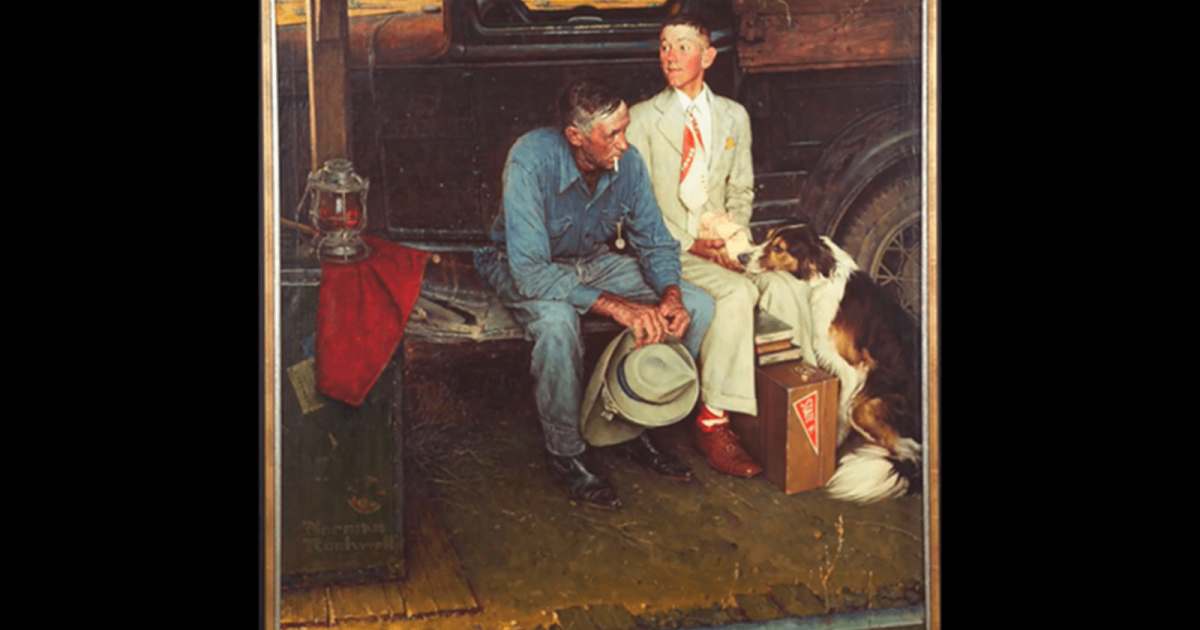
For nearly half a century, Norman Rockwell’s famous painting “Breaking Home Ties,” sold for $15.4 million in 2006, hung on the wall of Donald Trachte Sr., an illustrator, cartoonist, and Rockwell’s former friend and neighbor from Arlington, Vermont. For years, Trachte Sr.’s sons and family members felt that even though the painting was stunning, something was wrong with it. It wasn’t until 2005, when Trachte Sr. passed away, that his sons discovered a stupefying secret. Don Jr. told The Guardian, "He was worried that they could be taken away from the family," hinting at his divorce from wife Elizabeth. Hidden behind the wall where the painting had been hanging lay a mystery whose answer Trachte took with him to his grave. In an April 2006 report, CBS News shared that the painting, which everyone thought was an original of Rockwell, was actually a forgery crafted by Trachte Sr.
Secret behind the wall
Worth an estimated $5M in the art market, “Breaking Home Ties,” one of the most admired Rockwell paintings, depicts a father and a son sitting on a truck’s running board as the boy departs for college. Trachte Sr., who also drew the syndicated comic strip “Henry,” bought it for $900 in 1960. However, for all these years, he kept a secret attached to the painting. It was only when The Saturday Evening Post published the painting on its cover in 1954 that the secret began to unfold.
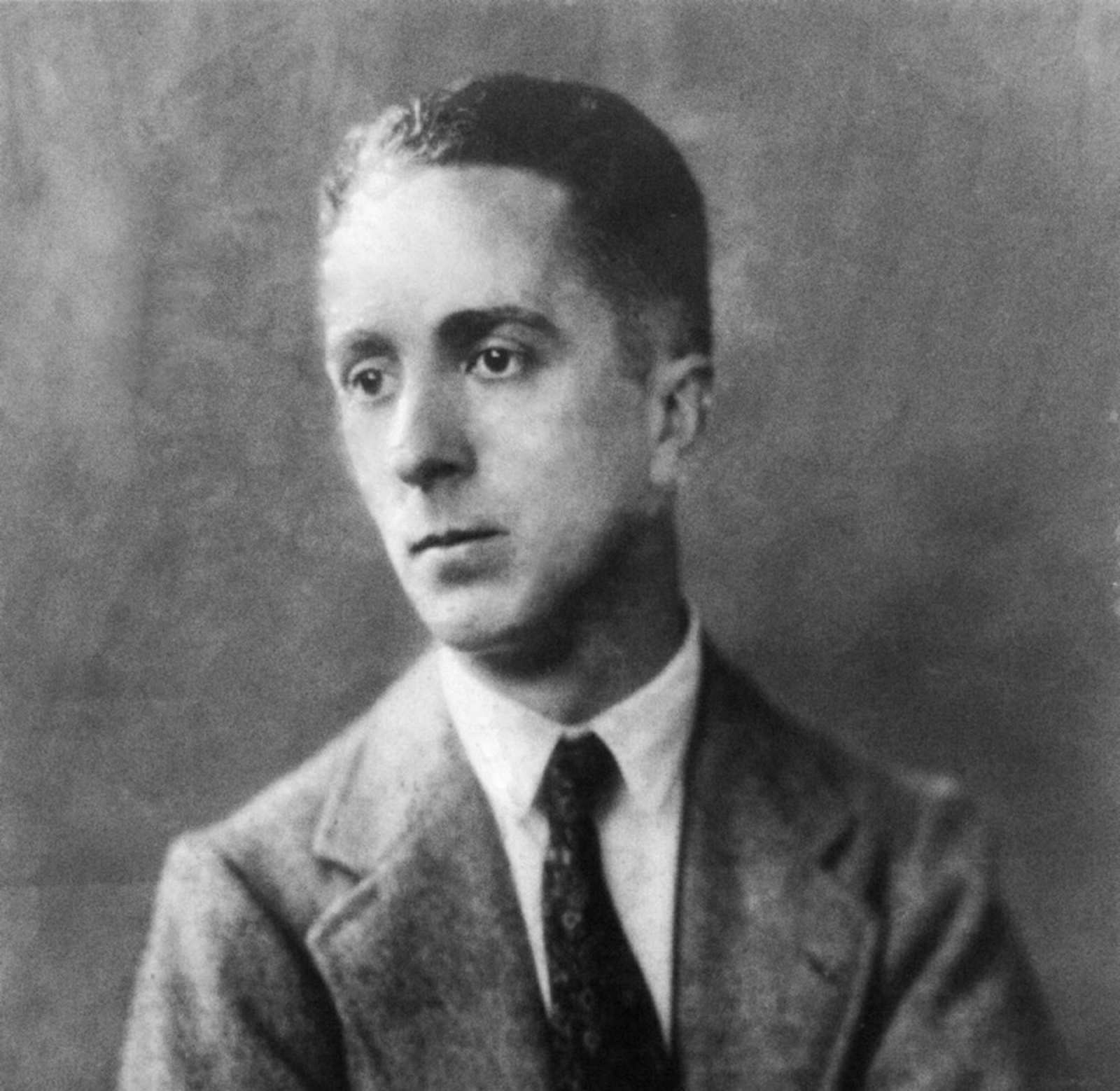
His sons were convinced the wall was fake
Trachte Sr.’s family members often pointed out inconsistencies in the Post’s cover and the painting that swung from his wall. From coloration to the boy’s face and the wrinkles in their clothing, something seemed very, very wrong with the painting on the wall. Experts dismissed their doubts, saying it was just poor restoration. But at one point in time, Trachte Sr.’s sons, Donald Trachte Jr. and David Trachte, became convinced that the painting on the wall was fake.
Then one day, 54-year-old David’s eyes fell upon a tiny gap in the wooden paneling in the wall. When he and Donald investigated the gap, they jumped out of their skin. Not just the painting but also the wall on which it was mounted proved to be fake. Hidden behind the fake wall was the real wall containing a trove of real paintings from seven contemporary artists, including the real version of Rockwell’s “Breaking Home Ties.”
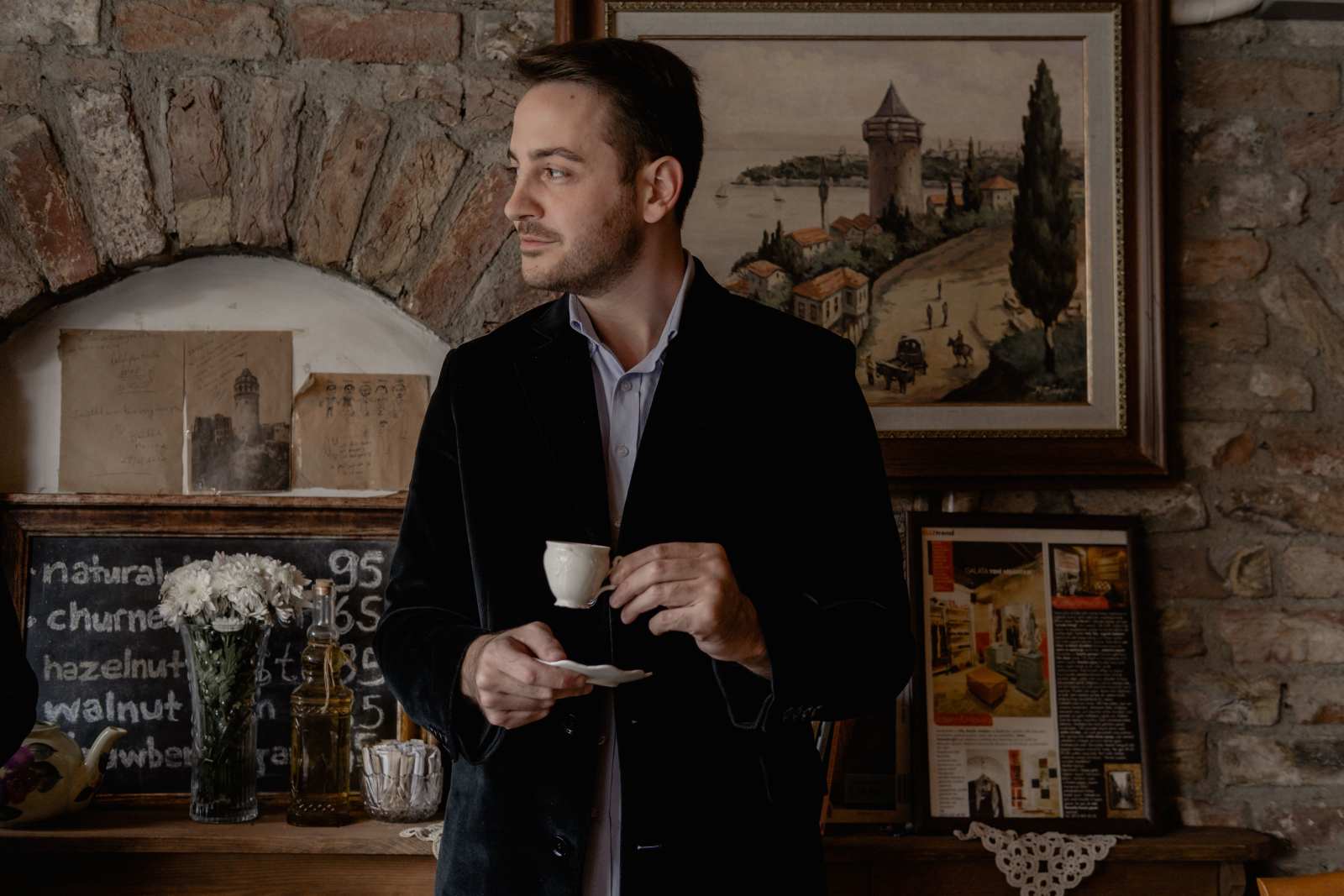
'He could have painted the Mona Lisa and fooled the world'
Turned out that Trachte Sr. had created a replica of Rockwell’s painting and hid the original one behind the wall. His family believes that he likely created the duplicate in 1973 when he was going through a bitter divorce with his wife Elizabeth. "Right now, I believe he could have painted the Mona Lisa and fooled the world," his son Donald speculated in an interview with The Guardian. He, however, believes that his father had no financial motive behind creating the forgery and hiding the original one.
Meanwhile, the forgery came as a pleasant surprise to the museum officials as well, who, for a long time, wondered whether the inconsistencies were merely a result of shoddy restoration work. "We had lived with the tragedy of believing that this piece had been damaged all these years," said Rockwell Museum's director, Laurie Norton Moffatt. "It's a thrill to know that the original exists. It was like having a child come home. The instant you look at it, you know."
While Trachte Sr.’s reasons for creating a duplicate might not be sinister or driven by greed, forgery is so common in the art market. According to a report cited by Art Daily, chief Yann Walther of Switzerland’s Fine Art Expert Institute estimated "between 70 and 90 percent of works that pass through FAEI turn out to be fake."
Mystery remains unsolved
Rockwell’s painting is currently exhibited in the Norman Rockwell Museum in Stockbridge, along with Trachte Sr.’s replica. However, the reason behind why Trachte Sr. created a forgery still remains unclear. "It's hard for me right now; I haven't uncovered enough to know when or why he did it," said Donald. He suspects that his father was probably afraid that his paintings would be taken away by his divorcing wife or his family members, so he hid them altogether in secret. But the mystery of his true purpose remains unsolved.
More on Scoop Upworthy
Boy refused to let go of a painting he found in the dumpster. 13 years later, it earned him $44,000
This article originally appeared 1 month ago.
 Share on Facebook


