British POW was granted rare leave to visit his dying mother during WWI on one condition — what he did after stunned even his captors
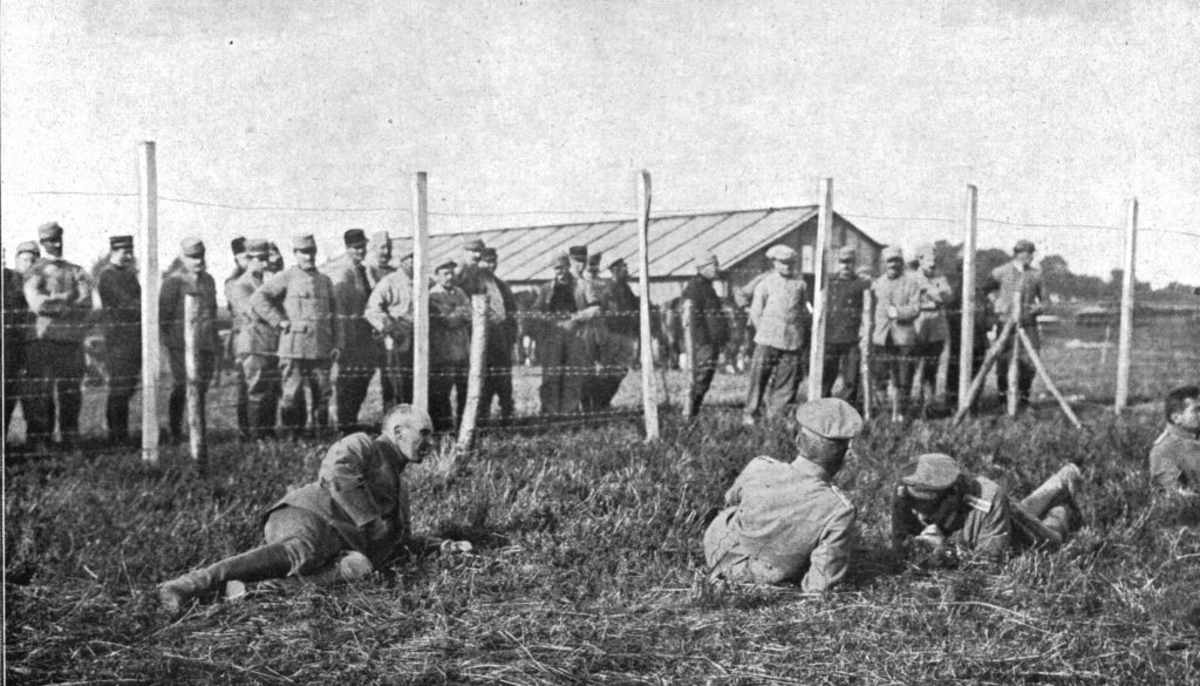
Captain Robert Campbell was captured in the German prisoner-of-war camp during the Battle of Mons in Belgium


It was August 24, 1914, when British Army Captain Robert Campbell was taken from a military hospital in Cologne and held as a prisoner of war in Magdeburg, Germany. As the war went on, he found himself facing a deeply personal situation that would test not just his resolve, but his sense of duty. When he learned that his mother was dying, Campbell made an unusual request to his captors — he asked to be granted leave to visit her. What followed wasn’t just a rare exception during wartime, but a moment that would go on to be remembered as a striking example of honor and loyalty, as historian Richard van Emden later shared with the BBC.
The undesired letter
The episode unfolded in the heart of World War I when British forces clashed against German forces, provoking a battle in Mons, Belgium. Campbell, who was part of the British Expeditionary Force (BEF) troop, spent two years in the fortress-sized POW camp that held hundreds of Allied officers. Then one day, in 1916, he received a letter that his mother, Louisa Campbell, was dying of cancer in Gravesend, Kent.
Pleading with the Emperor

Though it was a long shot, Robert tried his luck by writing a letter to the German Emperor Kaiser Wilhelm II, requesting leave to see his dying mother. Unexpectedly, Wilhelm responded with a compassionate granting of the two-week leave. However, he had one condition: Robert must return to the prison. In an instance of empathy, Germans allowed him to cross the front lines unguarded, knowing that he might escape and never come back. Robert proceeded on his trip to England, beginning from the Netherlands and catching a boat to Kent to reach his mother’s house. He arrived at his mother's bedside on December 7 and spent a week with her, per author Joy V Spicer.
A promise he kept
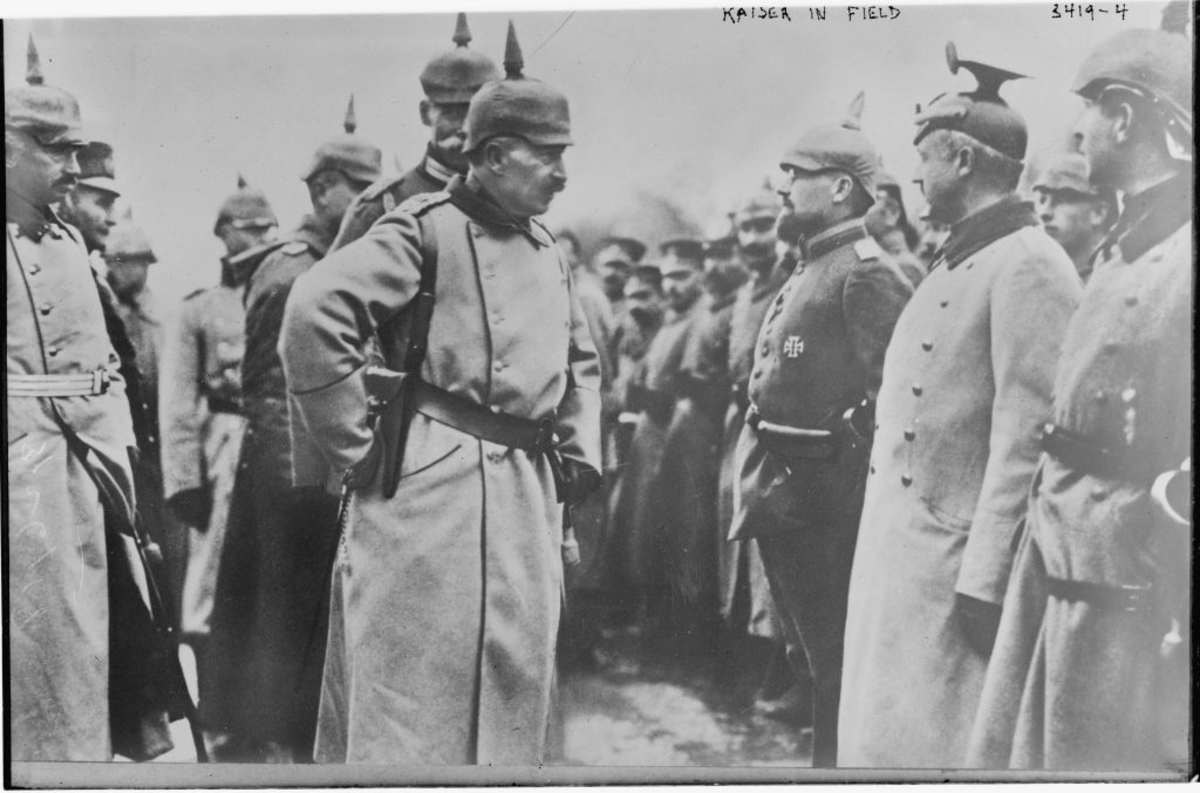
Reciprocating the unexpected response of the Germans, Robert honored his word. After spending a week with his ailing mother, he returned to the prison. Van Emden suspects that he would have done this for the sake of his fellow officers who were still captured in the jail. "He would have thought, 'If I don't go back no other officer will ever be released on this basis,'" the historian reflected.
This kind-hearted treatment, however, wasn’t extended to any other officer. German soldier Peter Gastriech, for instance, was also imprisoned at a POW camp on the Isle of Man. Like Robert, he too received the news that his father was dying and requested permission to visit him from the British Prisoners of War Department, but his request was denied.
According to the Commonwealth War Graves Commission, nearly 1,600 British officers were killed, wounded, captured, or went missing during this battle, including Lieutenant Maurice Dease, who was the recipient of the Great War's first posthumous Victoria Cross. On the other hand, the German regiment experienced nearly 3,000 to 5,000 casualties, with some 2,500 killed or missing.
Escape attempt
Despite honoring his promise at the time, Robert willingly participated in an escape attempt later. While his mother was taking her last breaths, he was joining fellow officers in digging an underground tunnel. He succeeded in escaping only to be recaptured at the Dutch border. He spent the following year, until November 1918, remaining behind the barbed wire. Post-war, he returned to his hometown in England, rejoined his former regiment, and served under the British force in World War II. After this duty, he officially took retirement from his battle life and retreated into a quiet, secluded life on the Isle of Wight, where he spent the rest of his life until passing away at the age of 81.
More on Scoop Upworthy
WWII Veteran of the 'Ghost Army' honored for tricking Nazis with illusions: 'I faked everything'
 Share on Facebook


