Botanist refused to uproot his ruined farmland in 1987. Today, it's full of birds and waterfalls
Dr. Hugh Wilson had one strange idea for restoring a devastated landscape: stop trying to get rid of the weeds


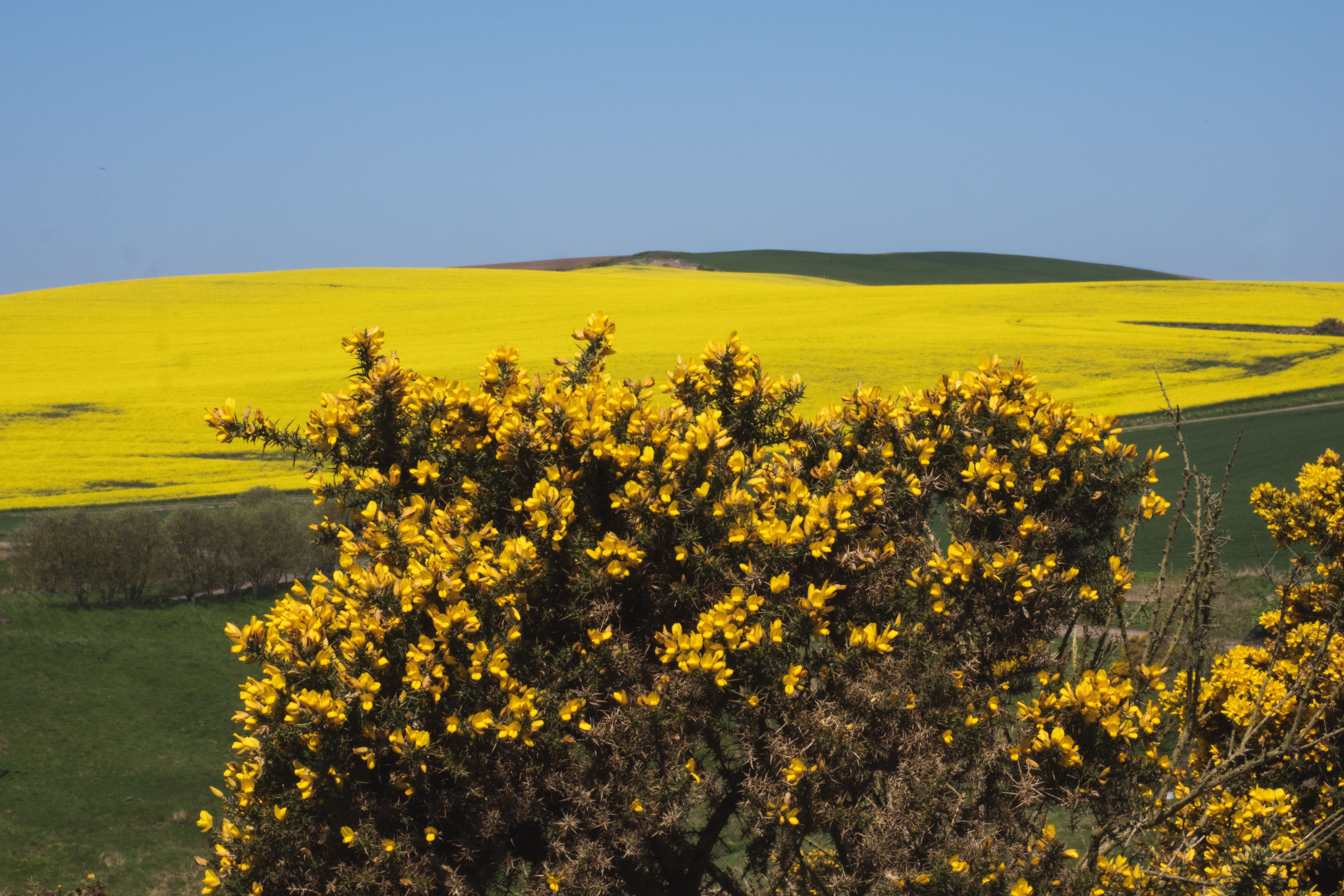
In 1987, a New Zealand farm was overrun by gorse, an invasive shrub covered in sharp spines and yellow flowers. Farmers tried burning it, spraying it with herbicides, and even removing it with bulldozers. But nothing seemed to work. Then botanist Hugh Wilson suggested something that sounded completely counterintuitive: stop fighting it. At that time, everyone thought he was crazy. One farmer even commented that he was spinning thoughts of “fools and dreamers.” Three decades later, in 2019, Happen Films produced a film of the same name, which is now watched by millions of people across the world. Dr. Wilson’s trick had worked like magic.
A forest left to heal
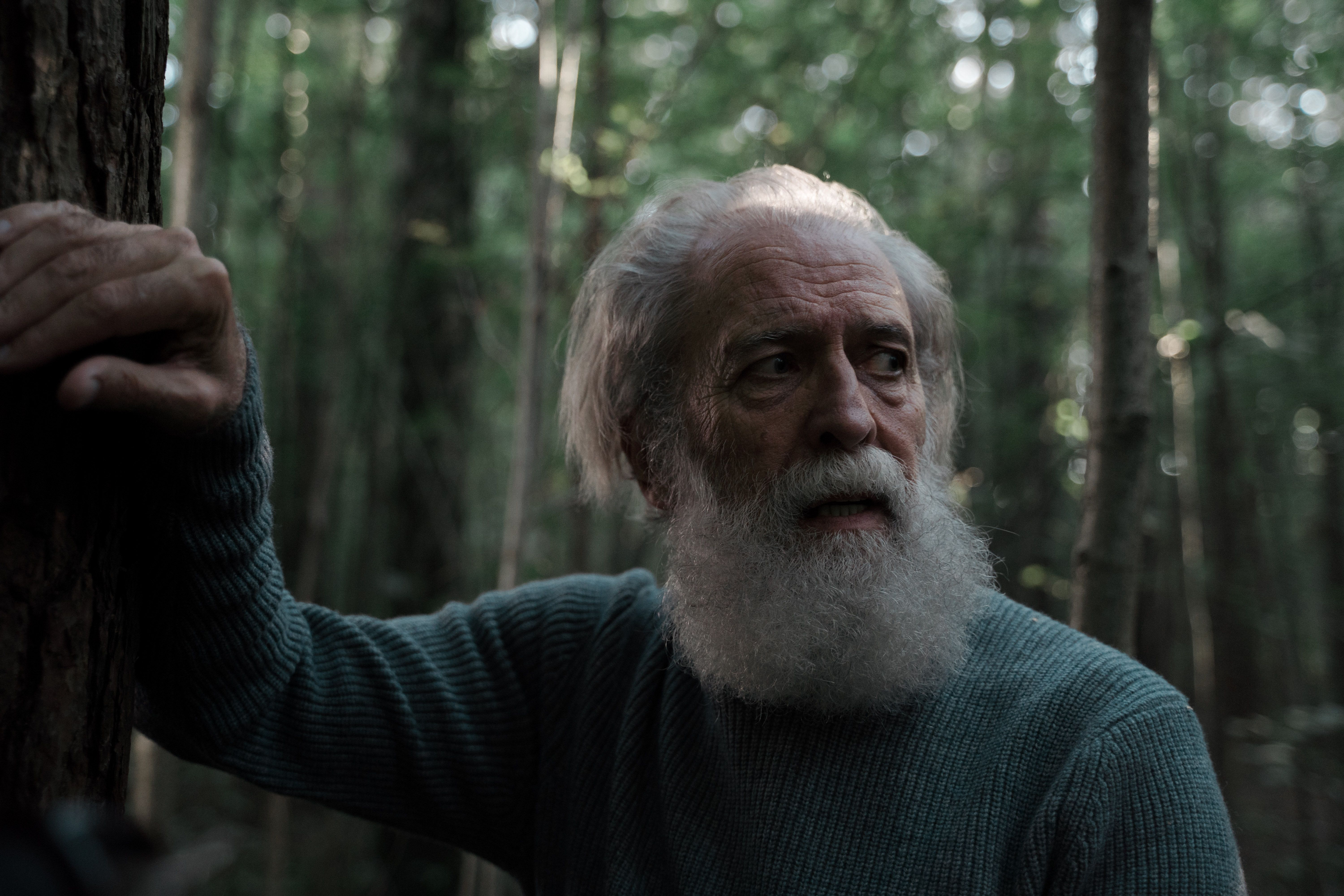
Now 81 years old, Dr. Wilson is living his dream life. As his wife described in the film, he wakes up each day to cycle to work, returns home for dinner, writes a newsletter for Hinewai Nature Reserve, and repeats the same routine the next day. For him, the forest is a mother, and it is his responsibility to take care of it. But in 1987, he witnessed an unfortunate state of a forest that left him disheartened.
He was standing before a 109-hectare (269.345 acre) hilly farmland in Canterbury’s Banks Peninsula. Roughly 95% to 99% of the old-growth forest was gone. Marie Haley, who grew up on a neighboring farm, was just 10 when she visited Hinewai during one of its early “neighbors' open days.” She later recalled being overwhelmed by the sight of bright yellow gorse covering the landscape. Maurice White, who owned the farmland, contacted Dr. Wilson to contribute his expertise in regenerating the forest. After investigating the area, the botanist suggested that the farmers leave the area untouched. Many of them ridiculed that he had gone out of his mind. Haley's father was one of the local farmers who initially thought Wilson was “absolutely crazy” for allowing the invasive weed to take over the land.
From invasive to a catalyst for regeneration
In the same year, Dr. Wilson wrote about his vision for the land: “My secret dream is that one day a whole catchment, from summit crest to sea, from snow tussock to nikau palm, from Celmisia to mamaku tree fern and yellow-eyed penguins, could be set aside for nature to reassert her original covering.” His idea was to stop resisting or fighting against gorse, but to use it as a catalyst for natural forest regeneration. 53% of the farmland was closed. “The key was to leave it well alone, take away the things that stopped the regeneration process and let nature do the hard work,” Dr. Wilson told RNZ.
Leave it untouched
Just like muddy water settles itself when left untouched, the dense gorse provided shelter for native seedlings. Under its protective canopy, shade-loving plants like māhoe or Whiteywood would stay protected while the soil provided the moisture and nutrients they needed to grow. He asked the farmers to stop burning and spraying. Grazing animals like wild goats, sheep, cattle, and possums were removed from the area. Surprisingly, the gorse that was once colonizing the farmland now turned into a fabulous nurse crop. Plants like wineberry, five-finger, and lemon wood "would just love that environment and they boom under it."
Things took a dramatic turn when these seedlings grew into tall trees. As the native trees grew taller and formed their own canopy, they began blocking the sunlight. The gorse could no longer get enough sunlight. While the trees had thrived in its shelter, the gorse was now dying in theirs. As soon as they completely shaded the gorse, it was dead. The regeneration process gained momentum. Against all odds, the native forest resurrected, and species like tomtits (an insect-eating native bird) returned.
Fast forward to today, the reserve is over 1,500 hectares (3706.5 acres), with 47 permanent waterfalls, 35 native bird species, and one of the most fascinating regeneration stories across the Southern Hemisphere. The reserve's progress has also broadly tracked a prediction Wilson made in a 1994 paper, according to a video by Treeline Journal. Titled 'Regeneration of native forest on Hinewai Reserve, Banks Peninsula,' he wrote, "The predicted cover 50 years hence, assuming that fire can be excluded, is 95% second-growth native forest, 4% old-growth forest, and 1% tussock, shrubland, and scrub, which will persist on bluffs."
A fragile success
This success hasn't bereft Dr. Wilson of all fear. His biggest fear is still fire, especially after he witnessed how the 2011 lightning strike exploded into flame and blackened a forest. Another problem is carbon sequestration. His forestry management alone cannot save the forests from global warming. But he believes that there is huge potential in “natural forest regeneration.” The goal, his wife said, is to enable an environment where birds and insects can move, where things can move from summit to the sea, and over the hills. “The problems are immense, but the solutions are immense too,” Dr. Wilson said.
More on Scoop Upworthy
Billionaire couple buys 17,297 acres of damaged land to build a home. But it's not for them
Fortnite's owner is quietly buying up American forests for an unsual reason
Walking through nature can help you discover your true self: study
 Share on Facebook