Billionaire couple buys 17,297 acres of damaged land to build a home. But it's not for them
Their money will be used to create a safe and happy habitat for the local wildlife residing along Australia's Great Dividing Range in New South Wales

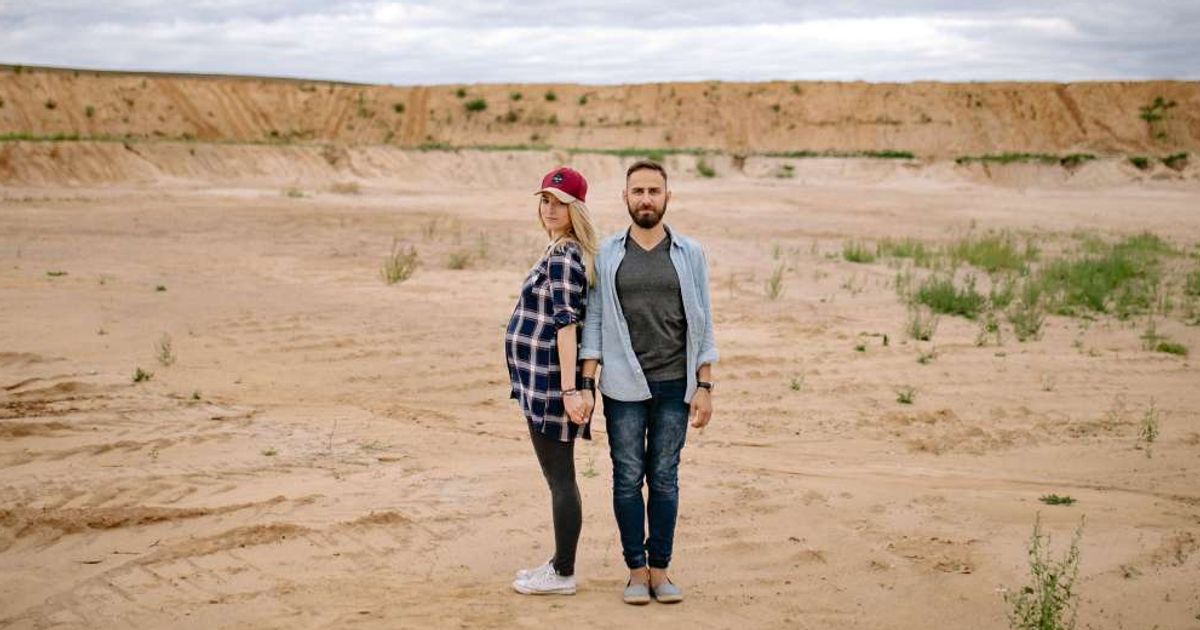
Billionaire Mike Gregg and his wife Sue have spent $10 million to buy 7,000 hectares (17297.38 acres) of damaged land in Australia and turn it into a thriving wildlife sanctuary. The six adjoining properties, once used for cattle grazing and logging, sit within the Great Dividing Range, the world's fifth-longest land-based mountain chain that stretches thousands of kilometers along Australia's eastern coast. By bringing the land under conservation, the couple hopes to restore critical habitat for native species and reconnect fragmented ecosystems, according to the Sydney Morning Herald's report on May 6, 2026.
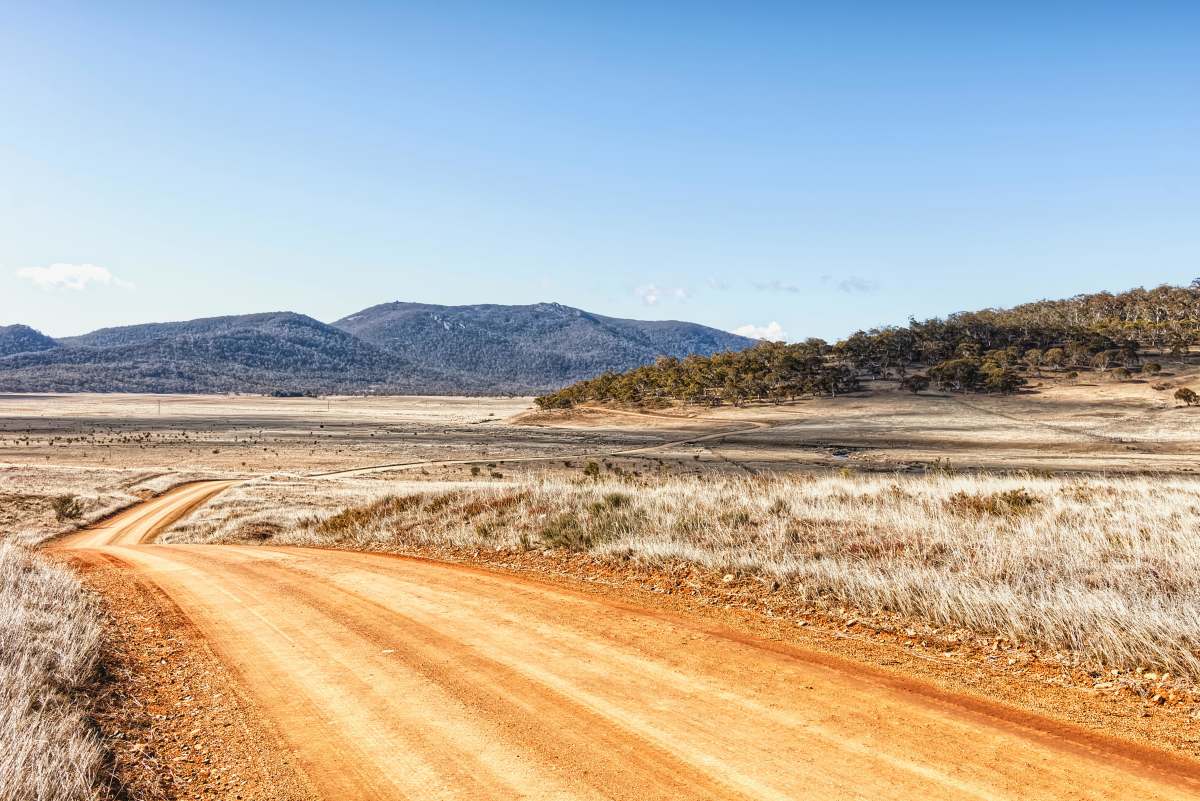
Habitat renovation
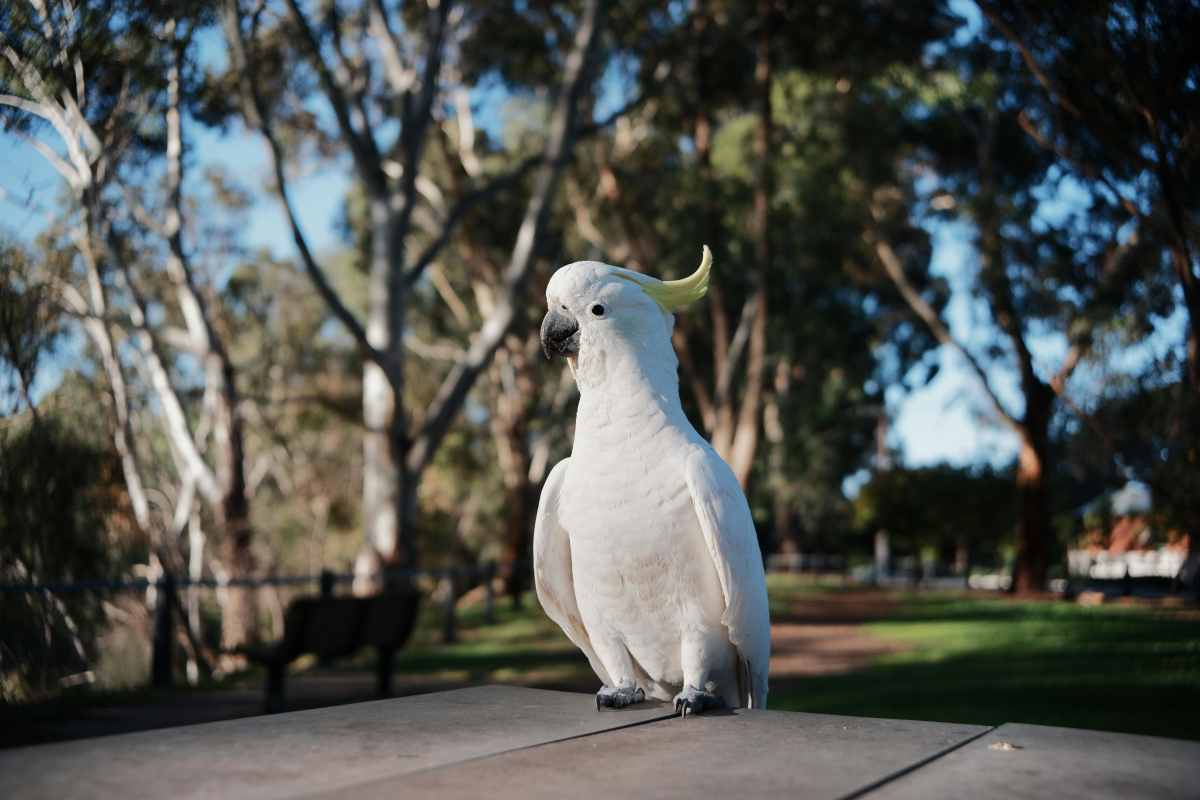
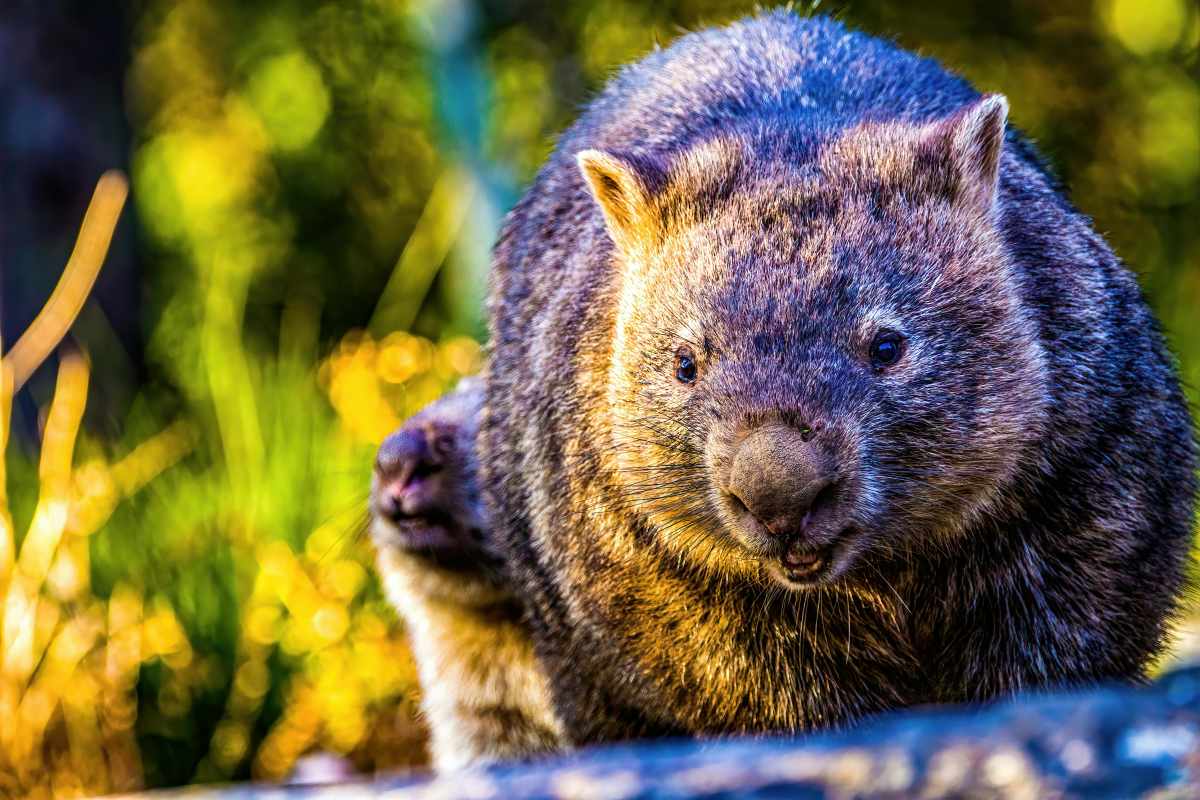
Running from Dauan Island in the north through New South Wales and beyond, the Great Dividing Range is known for its eucalyptus-covered mountains, volcanic hills, waterfalls, crater lakes, alpine peaks, and rugged sandstone formations. It also serves as one of Australia's most important ecological corridors and watersheds, and is home to a menagerie of animals, including greater gliders, spotted-tail quolls, glossy black cockatoos, frogs, wallabies, turtles, and thousands of other species.
Thanks to the efforts of Mike and Sue, these creatures will now have about 7,000 hectares (17297.38 acres) of protected habitat near Port Macquarie in New South Wales, one of the country’s most beautiful mountain regions. The project will be managed by the Great Southern Land Conservancy, a non-profit that the couple helped establish last year.
Best use of wealth
Before they purchased the land, some sections of the property were being used for logging. Trucks whirred away hauling bundles of giant tree trunks. Mike, an investor in the software company WiseTech Global, said he and his wife felt a responsibility to use their wealth for something meaningful rather than luxury purchases, for example, a big yacht. The couple, who have traveled to reserves all over the world, were concerned with the conditions of these animal habitats. "You’ve got this environment that’s buggered. And once it’s buggered, it’s very hard to fix," Mike said.
A turning point for them came about a decade ago when they visited an Australian Wildlife Conservancy property near the Gulf of Carpentaria. After taking a helicopter ride and walking along a secluded beach, Gregg described the experience as being on par with seeing turtle tracks in the Galápagos.
“We found ourselves in the very fortunate position to do some good,” Sue shared with SMH. “We love nature and wildlife. So, we thought preserving and restoring land was the best thing we could do with our money.” The conservation team assigned for the project will work on restoring damaged areas while stripping the forests of weeds, managing feral animals, and devising ways to prevent ravage in the future.
It boils down to emotion
Australians, overall, seem to be taking their environment quite seriously. According to a report by Michele Levine, the CEO of Roy Morgan, Australians donate around $8 billion to charity in an average year. In 2022, environmental charities accounted for about $300 million, around two percent of the total contribution, per Environment and Climate Change Giving Trends 2025.
Research published in PLOS One analyzed donation data to understand what drives funding for conservation. It found that, usually, people are interested in saving their favorite local or highly familiar species. As for Mike and Sue’s generous philanthropy, conservation experts believe the donation is among the largest private gifts ever made for conservation in New South Wales. “What we’re trying to do as an organization is protect really important pieces of land for conservation, but also use the management to be strategic so that we can use each of these properties as a catalyst for broader impact,” said Atticus Fleming, who is managing Great Southern Land Conservancy.
More on Scoop Upworthy
Teacher gave a farmer $5,000 to plant trees. She called 27 years later with an update
Dozens of watermelons squashed in transit were donated to a wildlife rescue to hydrate animals
This article originally appeared 2 months ago.
 Share on Facebook