This Korean Buddhist custom of eating from four bowls in silence is making people happier
According to this practice, a meal involves a lot more than eating, it includes respect, gratitude and more

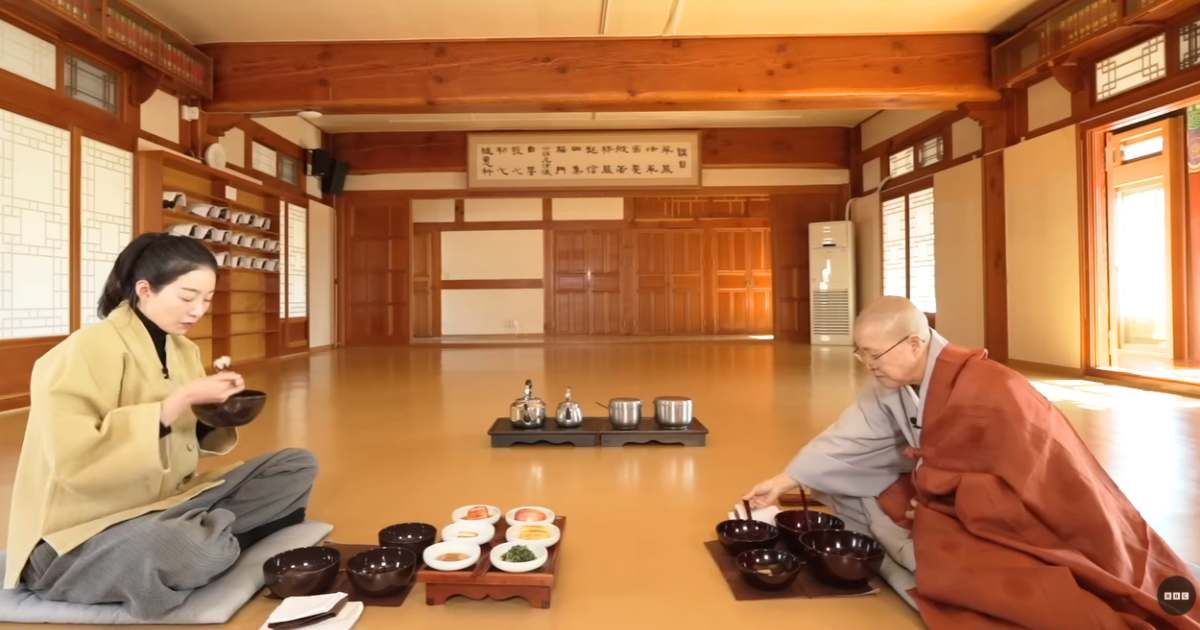
The way to anyone’s heart is through food, and no one can deny the joy the very first bite gives. Even a centuries-old Buddhist tradition agrees with this using a more sacred perspective, reported BBC News. “Balwoogongyang” is a Buddhist tradition of eating. The temple masters and monks have been relying on this magnificent practice for hundreds of years. For them, it’s more than just eating; it includes respect, love, and so much more. And because the simple act of eating a meal involves so much meaning, it brings way more fulfilling and long-lasting happiness from within. It’s not just the kind you get from eating after being 'hangry'; it's more profound.
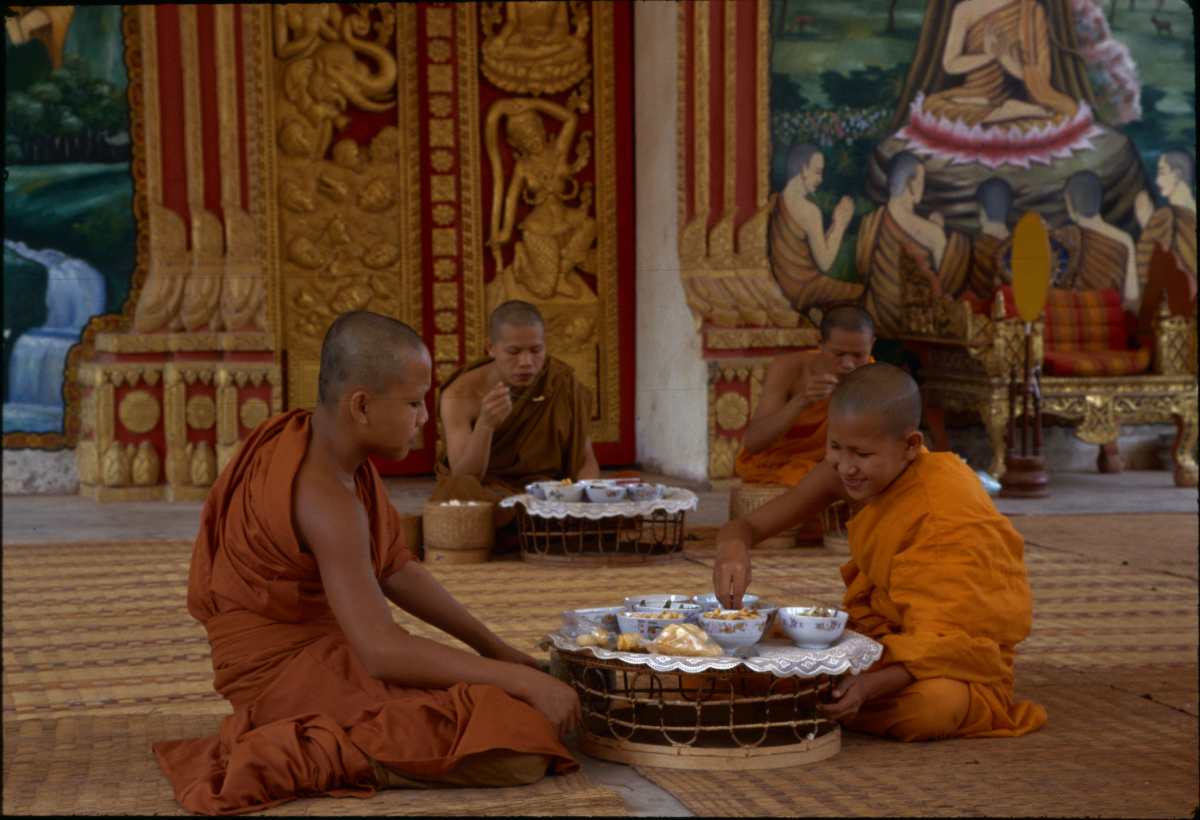
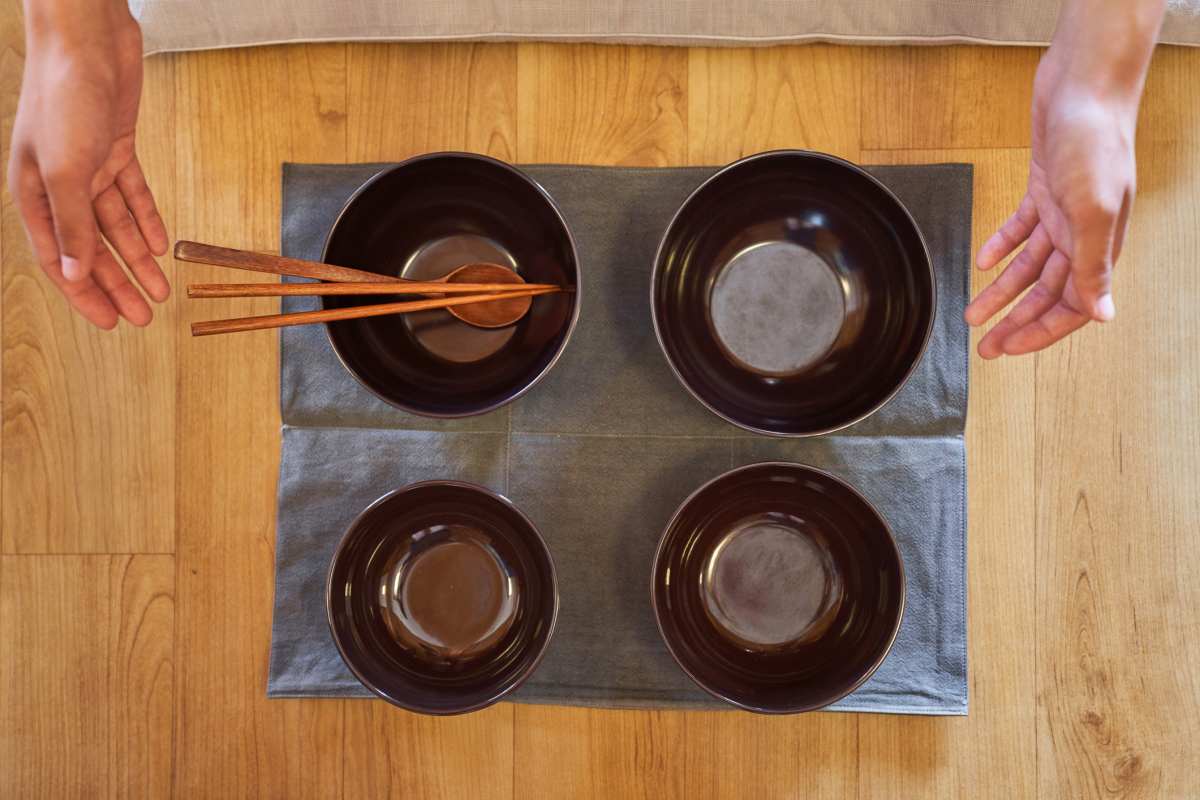
The temple master, venerable Sunjae, noted that the word “gongyang” means “sharing.” The clip interestingly shares a glimpse of the temple masters seated on the ground in humility, beside each other, with four bowls placed in front of them. Beside that is the tray of food from which they serve themselves. According to Korea Stripes, the centuries-old tradition includes eco-friendly ingredients. It doesn’t use animal-based products, except dairy, yet, in all its simplicity, it has taken several Michelin chefs by surprise. Apart from meats, even five pungent vegetables — garlic, green onion, chives, wild chives, and leeks are not used, according to Chosun Biz.
The natural ingredients are also a way of respecting the body and maintaining health. For them, eating is not just about sustenance or feeling; it's a form of respect, to one’s body and to nature. The temple master explained, “We should eat mindfully, respecting life in nature,” and so right from the time they’re seated to eat until they finish, nothing is wasted or discarded. They are even careful about how they rinse their bowls. The very idea of having the meal is tied down to gratitude. You’re not just eating, you’re “showing gratitude for the support of the unseen in life.”
Though the meal can be completed within minutes, the practice is taken seriously and lasts an hour. As they have the meal, they profoundly appreciate in silence everyone involved in the process of preparing it, reported The Cultural Corps of Korean Buddhism. The whole tradition refers to the Buddhist idea that “my happiness is tied to the happiness of all other living beings.” It aims to focus on the spiritual elements of life and find respect for life. When all is done, the bowl is cleaned with some water and wiped down. This service is called “Barugongyang,” and the water is consumed thereafter.
Venerable Sunjae, also known as “Baek Sujeo” from Netflix’s “Culinary Class Wars Season 2,” gained global attention for their commitment to the practice, reported The Chosun Daily. The temple master himself researched how beneficial the act of “Balwoogongyang” can be. “My palms turned yellow, and I was diagnosed with liver cirrhosis and given a one-year prognosis,” he revealed. Following this, he researched temple food and changed his diet accordingly. Antibodies formed miraculously within a year. Temple food saved my life,” he shared.
According to a happiness report from Ipsos, it was revealed that around 71% of people across 30 countries claimed to be happy. Yet, over the last few years, this number has decreased, suggesting that long-term happiness is in decline. The top country was India, with 51% reporting being very happy. The U.S. was somewhere down in the list at 15%. From the data, 76% of happy people were post-70 years of age. Why wait until that long when you can find happiness from meaningful practices as such?
More on Scoop Upworthy
Buddhist monk says these 5 morning routines will help you start your day better
Why teaching empathy in schools helped make Denmark one of the happiest countries
Harvard's 85-year study reveals the key to happiness
This article originally appeared 4 months ago.
 Share on Facebook


