Astronauts reveal what space actually 'smells' like, and it's blowing our minds
Jupiter smells of cat urine, while Mars smells like a garage crammed with old cardboard boxes, old books, and bits of wood from old furniture

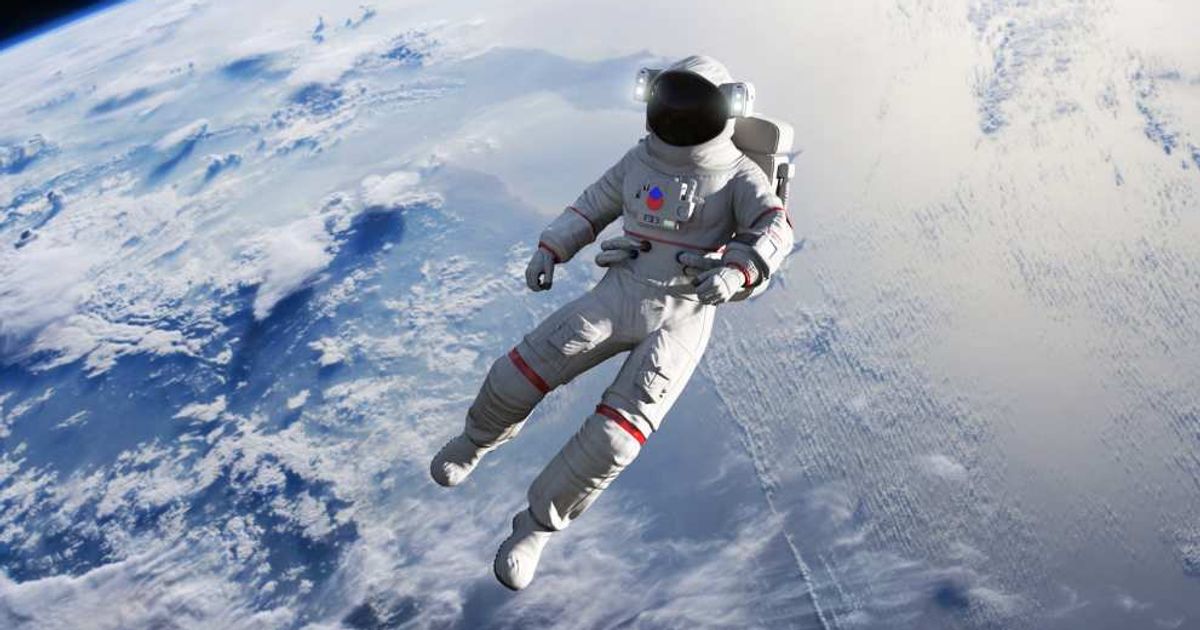
Have you ever wondered what outer space smells like? Is it pleasant like perfume or pungent like metal? In a podcast episode of @therestisscience, math professor Hannah Fry (@fryrsquared) speaks with Michael Stevens (@electricpants), answering that question and reflecting on how the space has a distinctive, "unmistakable odor" that most astronauts experience when they return from a spacewalk on the ISS, as countless astronauts have reported from missions.
Space is mostly empty, but it isn’t a complete vacuum, as the BBC explains. In the background, atoms and molecules are floating around, not to forget the fluctuating waves of energy. As Fry described, when astronauts clamber back into the airlock after a spacewalk and remove their helmets, they often report sniffing an odor that could probably be described as the cosmic stench: a cocktail stinking with rotten eggs, fruity rum, nail polish remover, burnt steak, almonds, motorcycle brake pads, soot, car exhaust, burnt toast or burgers, and charcoal grills. Chris Hadfield, a Canadian astronaut, and former NASA astronaut Greg Chamitoff described it as a “very, very heavy metallic smell."
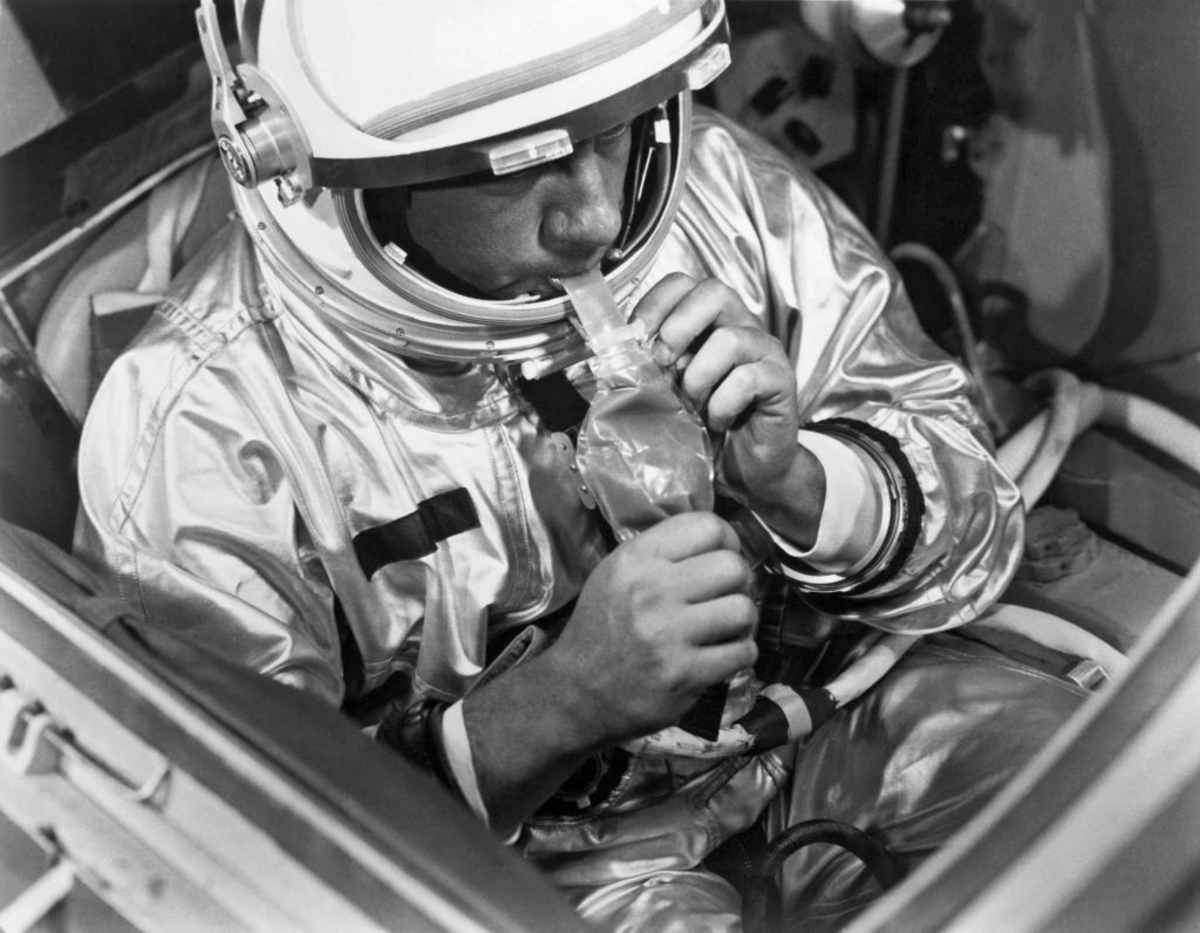
In 2005, NASA's Cassini spacecraft detected traces of a petrol-like smell on Saturn's moon Titan, IFLScience explains. When Helen Sharman, the UK’s first astronaut, returned to the airlock after a spacewalk, the smell that reached her nose reminded her of a car workshop she visited as a kid. "I could smell some welding going on — that metal smell in the air," she described to the BBC. In 2008, NASA commissioned biochemist Steve Pearce to imitate the smells of space and create safe aromatic materials to familiarize the astronauts with the faraway environment. “Recently we did the smell of the moon,” Pearce said. “Astronauts compared it to spent gunpowder.”
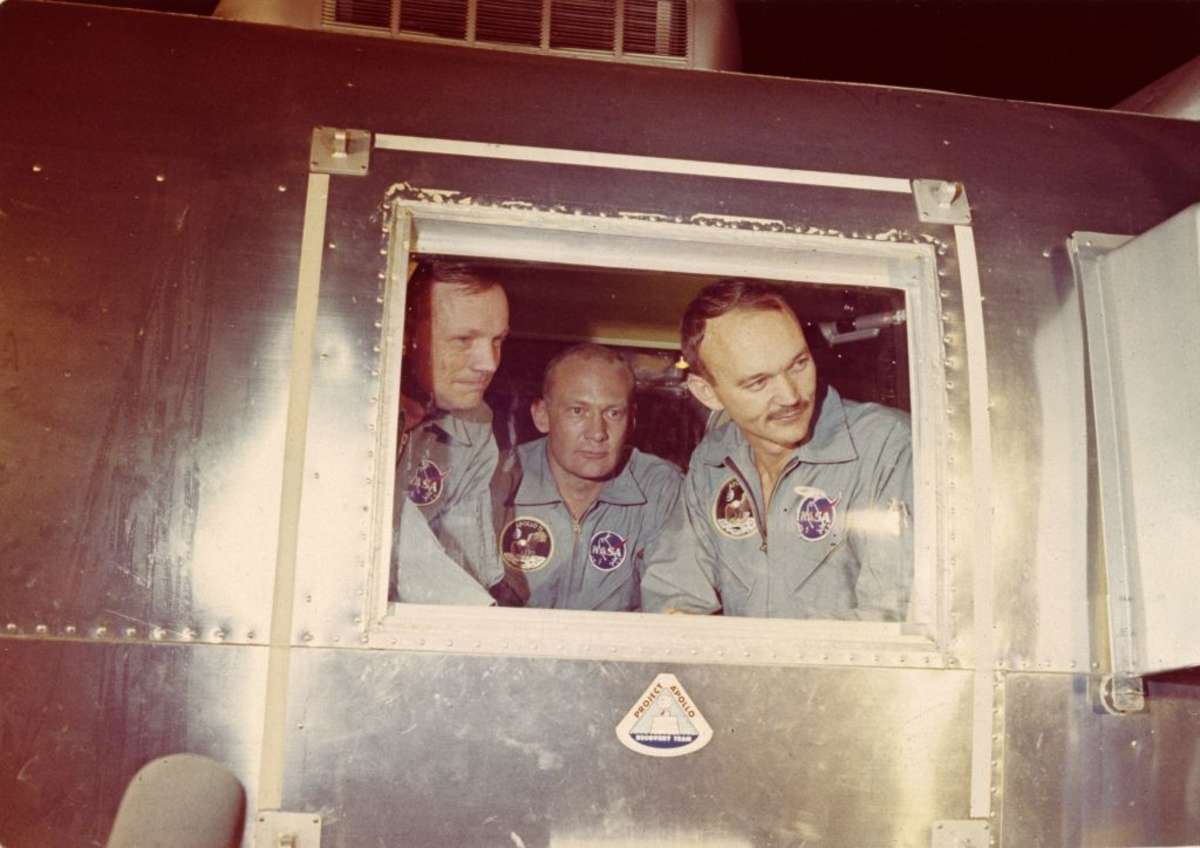
In April 2009, astronomers locked the IRAM radio telescope in Spain on a molecular cloud hovering in the center of the Milky Way. The cloud smelled of ethyl formate, a fruity-smelling chemical that partially gives raspberries their flavor and rum its smell, per The Guardian. In October 2014, scientists from the European Space Agency recorded the “perfume” of a comet named 67P/C-G. “If you could smell the comet, you would probably wish that you hadn’t,” they write on ESA's Rosetta blog. The comet reprehensibly exuded a miasma of putrid odors.
Marina Barcenilla, astrobiologist and perfumer, who recreated odors for London’s Natural History Museum, described Jupiter as a “stink bomb” to Live Science. Jupiter, she reported, could also carry smells of cat urine, given that it is cloaked by a layer of ammonia ice, as well as “petroleum oiliness with a blast of garlic.” Mars, on the other hand, reminds her of a garage crammed with old cardboard boxes, old books, and bits of wood from old furniture.
One possible cause behind this bouquet of cosmic miasmas could be chemical reactions. The Sun's ultraviolet rays split oxygen molecules into atoms, which cling to spacesuits, triggering reactions that result in these odors, Miranda Nelson, NASA's spacewalk flight controller, hypothesized.
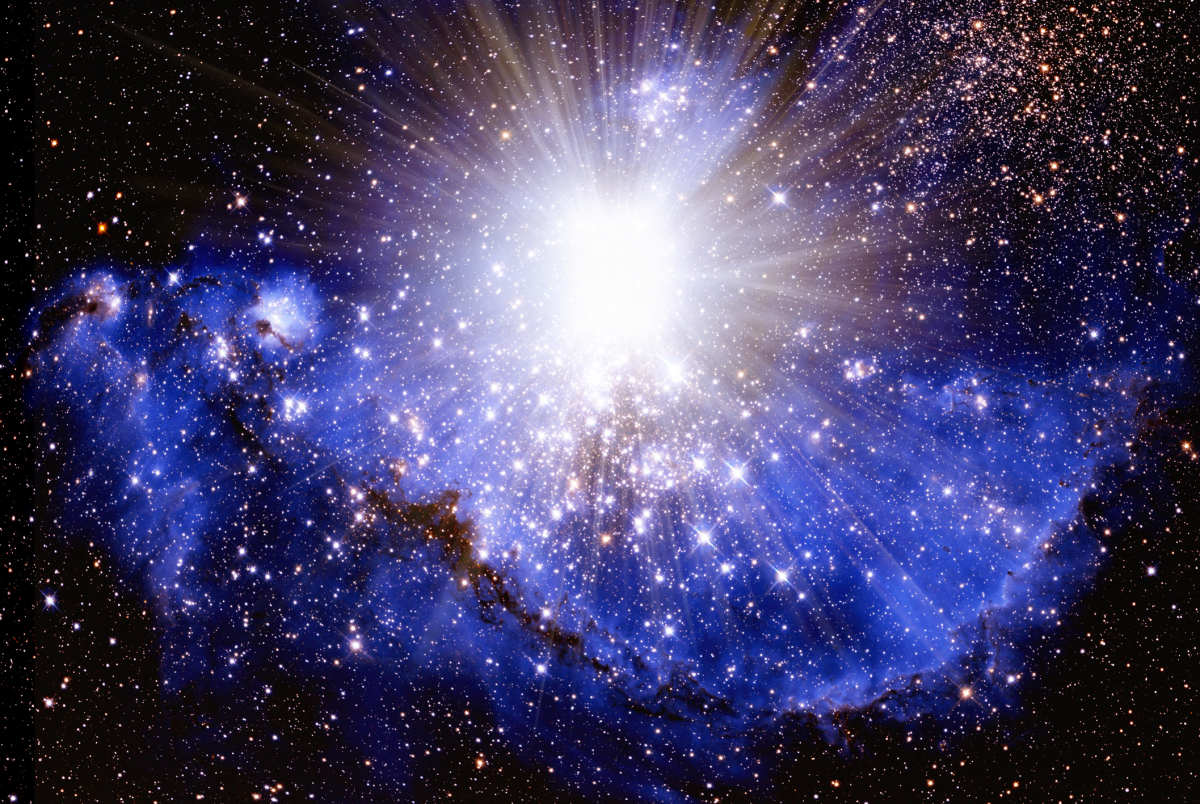
Another theory correlates these smells to stellar explosions. When stars die, their dimming starlight is engulfed by clouds of polycyclic aromatic hydrocarbons whose composition is very much like the clouds of soot billowing out of a truck. If all these observations could be boiled down into a single drop, the crux would be that the smell of space is primarily made of a shard of cosmic residue, dying stars, and all that astronauts leave behind.
More on Scoop Upworthy
Astronaut who observed Earth from space for 178 days says he realized humanity is 'living a lie'
NASA gave a woman astronaut 100 tampons for a 7-day space visit. Yes, the 'rocket science' people
After 230 days in space, NASA astronauts could not even sit down when they returned to Eart
 Share on Facebook