Artemis II pilot records a 'special message' on Easter to remind us that we're living in a miracle
Artemis II is the first lunar mission to be launched aboard the Orion spacecraft, this time with an advanced laser link technology

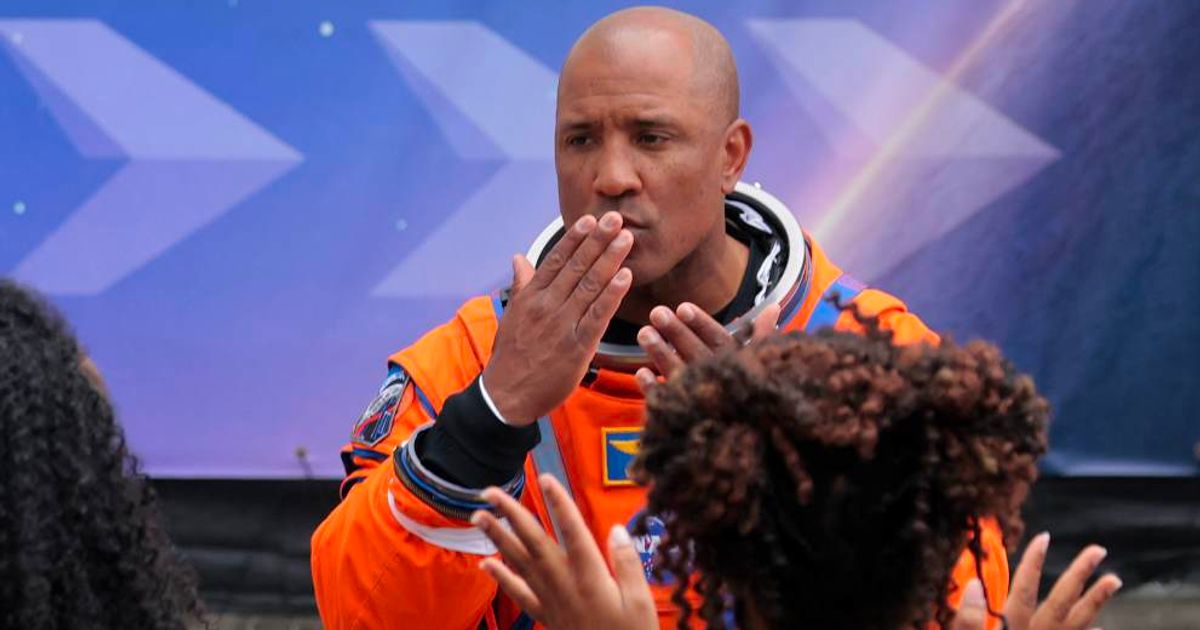
At 6:35:12 pm EDT on April 1, 2026, 32 cameras across NASA’s Kennedy Space Center captured one of the most historic moments of humanity: the launch of NASA’s Artemis II mission. At LaunchPad 39B, the twin boosters ignited; four roaring engines generated over 8 million pounds of thrust that left a blinding plume of billowing orange flames behind, NASA reported. With "Godspeed" greetings, four astronauts ventured on a 10-day journey toward the Moon.
The journey, however, didn’t prevent them from joining the worldwide Easter celebration. On their fifth day in space, they woke up to an impromptu hunt for Easter eggs that had been stashed in the spacecraft cabin. "They were the dehydrated scrambled egg variety, but we're all pretty happy with them," Mission Specialist Christina Koch said. In a live interview, published on April 5 by @nasa and CBS News, mission pilot Victor Glover shared a beautiful message on “universal love,” which has been making rounds on social media.
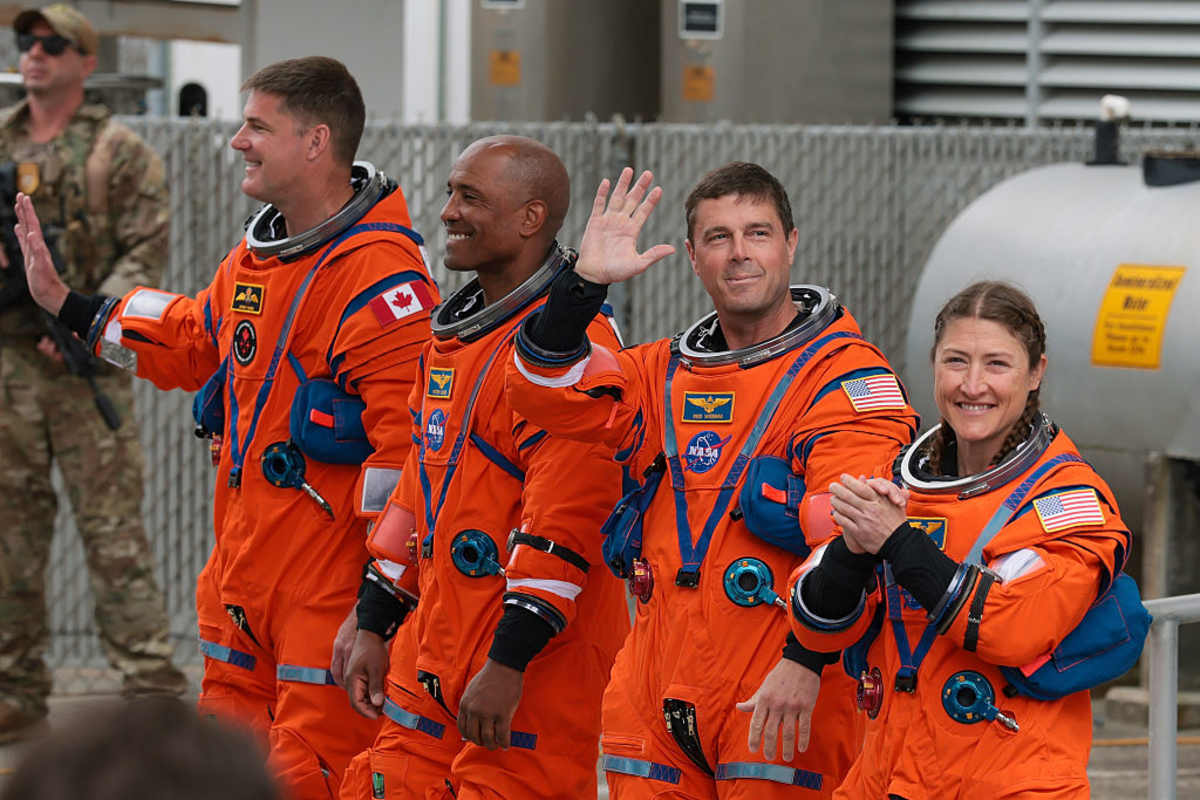
Artemis II, according to NASA, is the first mission aboard the Orion spacecraft. Its upgraded laser communication system uses infrared light that can transmit significantly more information than traditional radio systems, unlocking higher-resolution imagery and more discoveries, NASA explains. In addition to Glover and Koch, the crew includes Commander Reid Wiseman, and Mission Specialist Jeremy Hansen.
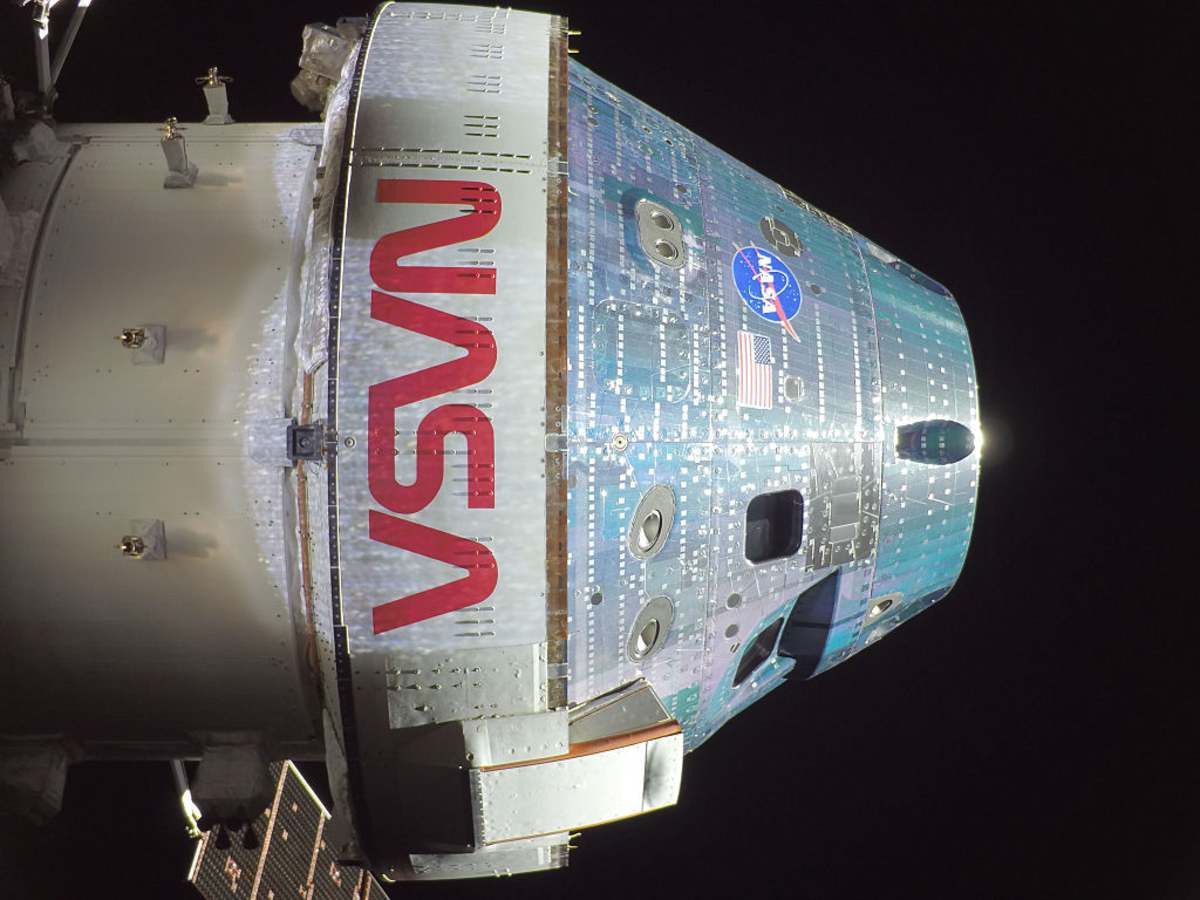
“I don’t have anything prepared,” Glover remarked in the video, though the words he dropped next made it look like it was one of the best speeches of the year, as viewers also put it. “As we are so far from Earth and looking at you, you know, the beauty of creation, I think that for me, one of the really important personal perspectives that I have here is I can really see Earth as one thing, and when I read the Bible and I look at all of the amazing things that were done for us, you were created.”
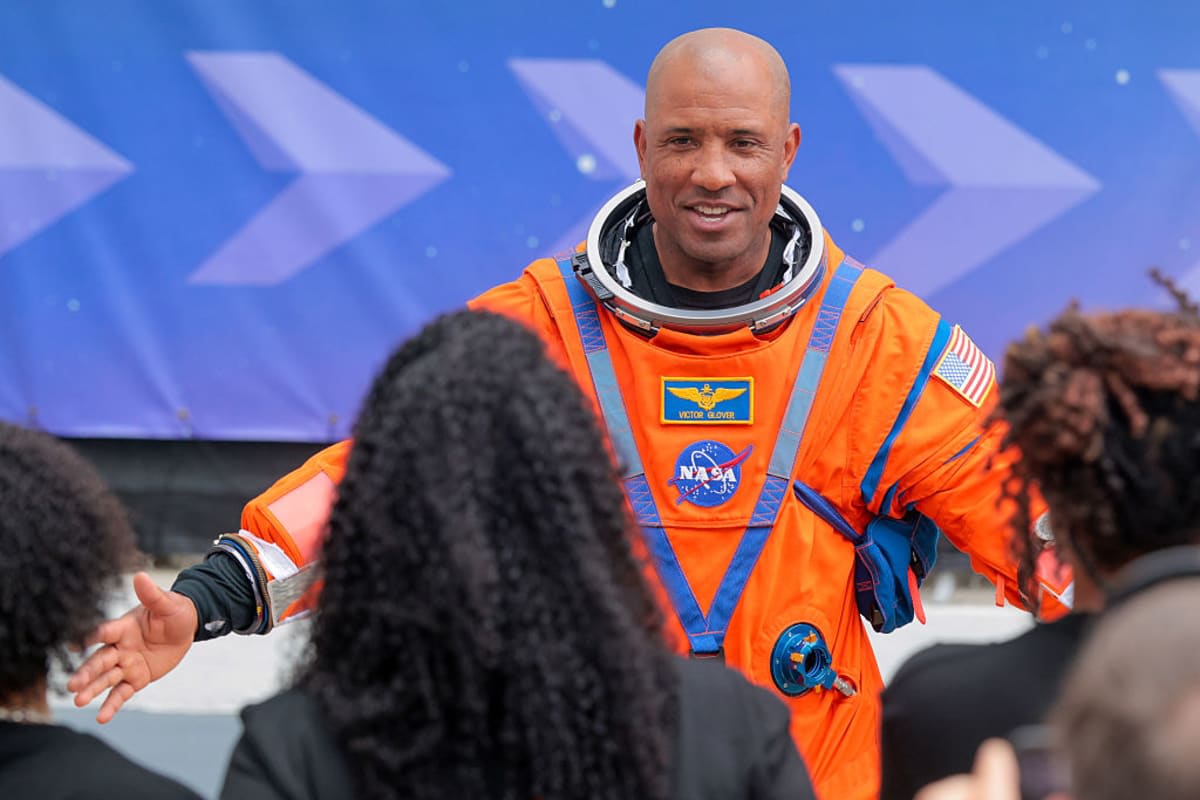
With the other three astronauts listening intently to his speech, smiling, Glover went on to describe Earth as a metaphor of a spaceship that was “created to give us a place to live in the universe, in the cosmos.” Maybe, he said, the distance they are from the home planet can make someone think that they’re doing something special. But, he said, it doesn’t matter; it isn’t special. “I’m trying to tell you, just trust me, you are special. In all of this emptiness, this is a whole bunch of nothing, this thing we call the universe. You have this oasis, this beautiful place that we get to exist — together.”
He continued the message by bringing up the subject of Easter Sunday, telling the world: “Whether you celebrate it or not, whether you believe in God or not, this is an opportunity for us to remember where we are, who we are, and that we are the same thing and that we’ve got to get through this together.”
During the 10-day mission, the crew is tasked with collecting some valuable records from the Moon, including specialized wrist bands that will monitor their sleep patterns, an “organ-on-a-chip” biotechnology that will mimic astronauts' bone marrow to monitor changes to immune cells in the faraway environment, real-time radiation data, and saliva samples in stamp booklets that will track changes in immune biomarkers, per Science News. The spacecraft will splash down in the Pacific Ocean along the coast of California on Friday, April 10, NBC Chicago reports.
More on Scoop Upworthy
Artemis II astronauts played a poignant 'game of cards' before lifting off. Here's why
 Share on Facebook