Archaeologists just discovered the school where Aristotle taught Alexander the Great
Before the empire came the lessons, and archaeologists are uncovering clues to their setting.

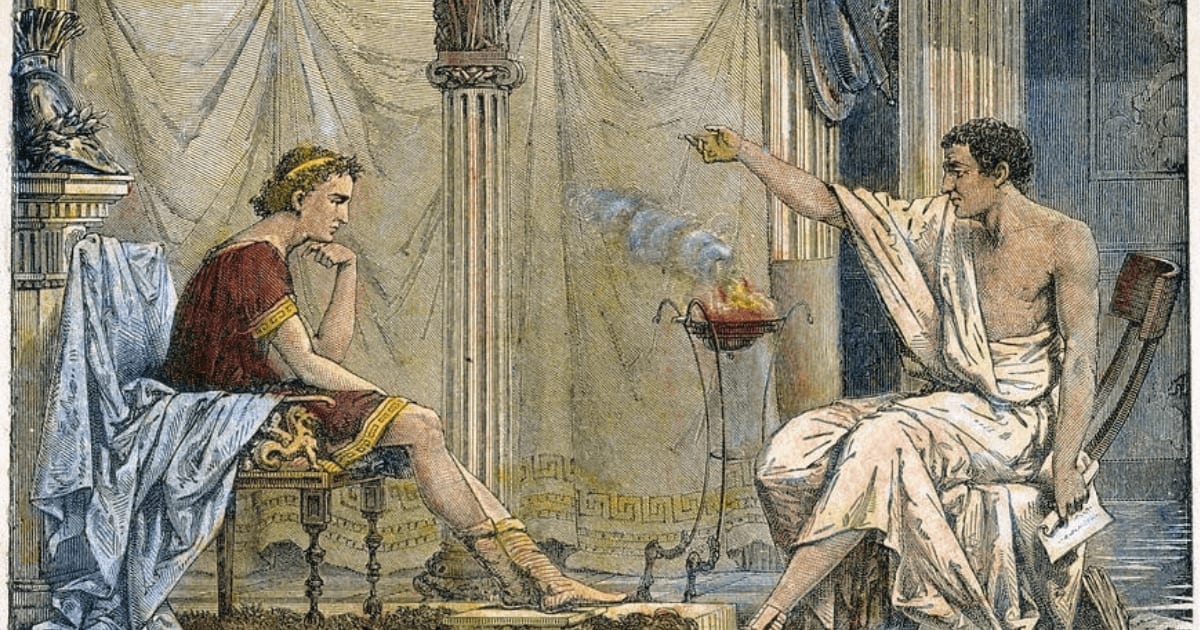
For centuries, historians knew that before Alexander the Great forged an empire stretching from Greece all the way to India, he spent his teenage years absorbing philosophy, science, and politics from Aristotle. Now, excavations at ancient Mieza are bringing that history into sharper focus. As PEOPLE reported on September 29, 2026, newly uncovered mosaics and ruins are strengthening the identification of a royal educational complex as the place where Aristotle taught the young Alexander.
Clues to Alexander's school
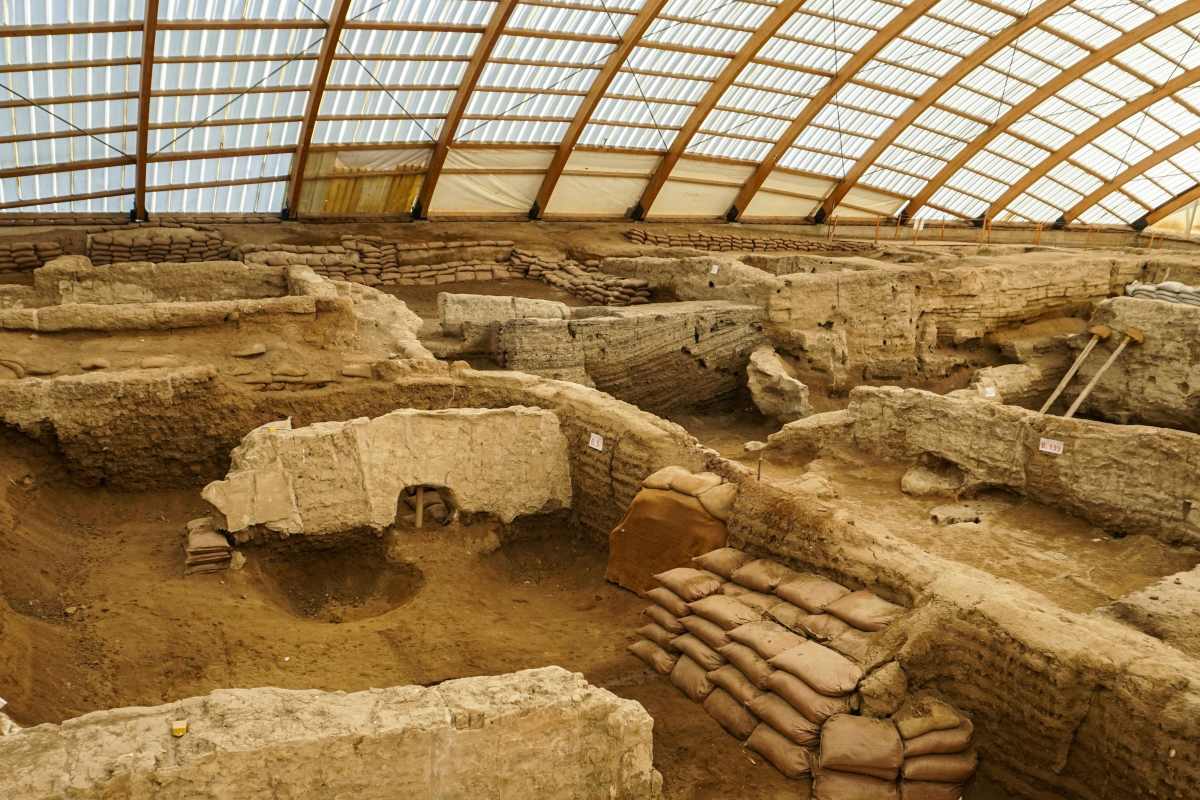
The story behind this incredible location began unfolding in 2024, when a research team led by honorary curator of antiquities Dr. Angeliki Kottaridis, under an agreement between Greece's Ministry of Culture and the Municipality of Naoussa, started a fresh excavation. Earlier digs at Mieza had already unmasked a wrestling ring, a stadium, arcades, and a 200-meter-long running track. The latest work focused on the teaching area, where archaeologists identified lecture rooms with stone benches.
'House of teaching'
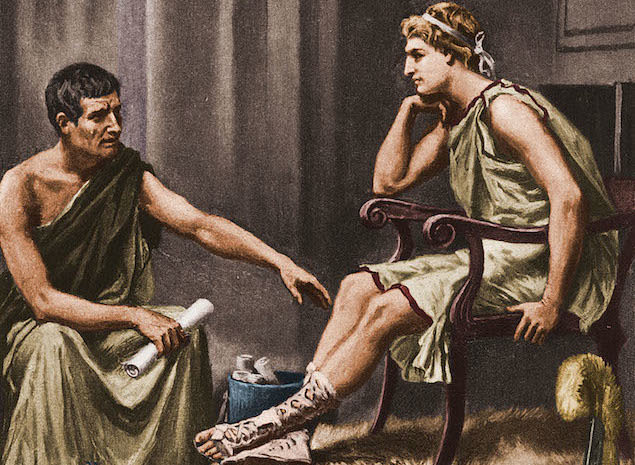
Then came the dramatic breakthrough. Deep in the dirt, archaeologists exposed a sprawling tripartite complex spanning over 160 square meters. Officials confirmed this was the long-sought "Didaskaleio," or "house of teaching," complete with a central vestibule and two banquet halls known as andronas. Inside, excavators uncovered raised pedestals for 10 couches per hall, capable of seating roughly 20 scholars, alongside preserved mosaic floors, ancient coins, ceramics, and even four ancient writing styluses, the literal pens of the ancient world. As official press statements highlighted, "A particularly important find is the large tripartite complex... Mosaic floors have been preserved in both, while the raised pedestals for the couches confirm their use as banquet halls."
Understanding the human timeline
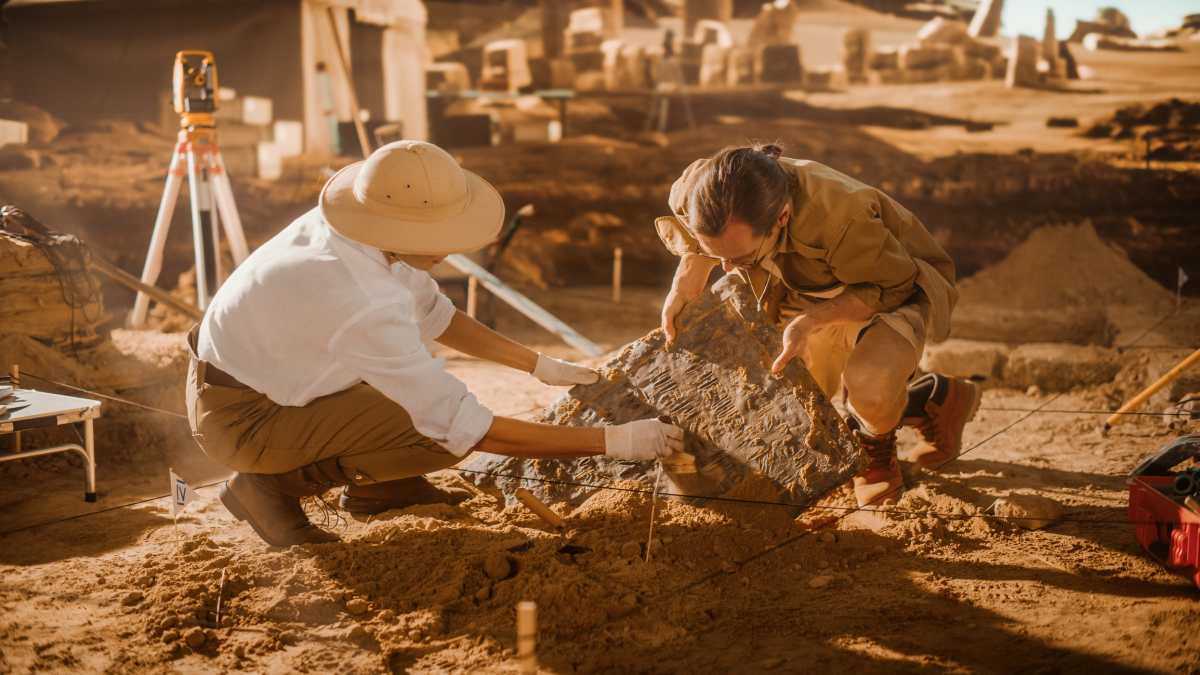
Finds like these help bring the distant past a little closer. In a book excerpt published by Smithsonian Magazine, archaeologist Paul Bahn explains that archaeology is the only discipline able to tell us about roughly 99% of the human past. For periods before written records, surviving objects and buildings are often our main clues to how people lived. At Mieza, the discoveries offer a clearer picture of an ancient educational setting.
More on Scoop Upworthy
12-year-old fooling around on geology trip accidentally discovers 80-million-year-old fossil
15-year-old boy discovers ancient Mayan city while working on a school project
 Share on Facebook