Widow fought Apple in court to unlock her late husband’s iPhone — and recovered priceless photos of their child
She was heartbroken that her daughter might not witness the magic in the pictures, but a 3-year legal battle closed in her favor.


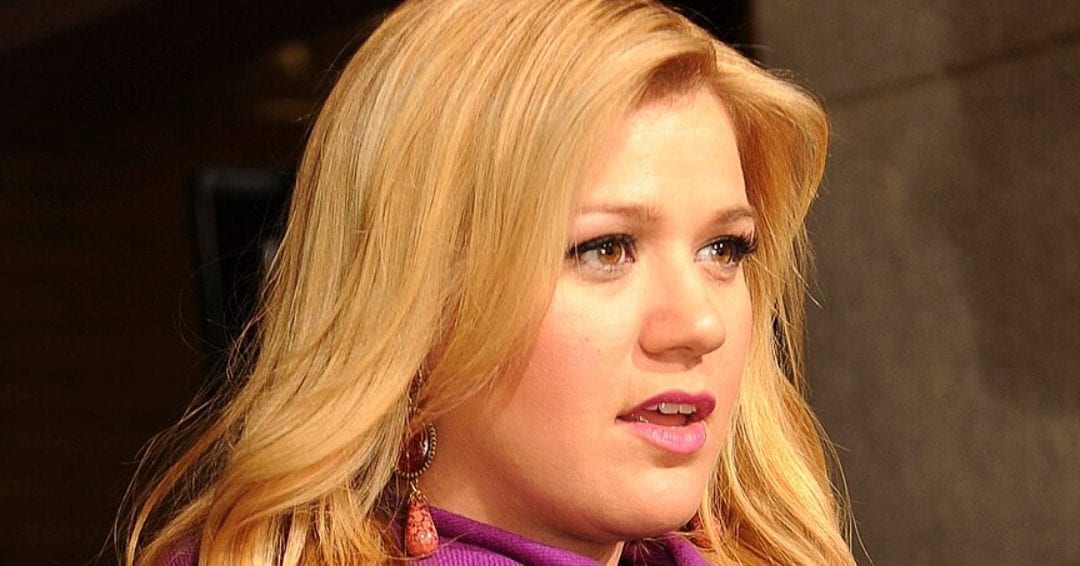
Memories are very crucial to hold on to, especially when you lose a loved one. Rachel Thompson knew that all she had left of her husband, Matt, were the photos and videos he took on his iPhone, reported The Daily Mail. The man took his life in 2015, and when Rachel, mom to then 6-year-old Matilda, initially tried to retrieve and look at the pictures, her access was blocked due to a policy, according to The Times. She fought a 3-year-long case to access the 4,500 images and 900 videos of her family that her late husband stored on his phone. Finally, in 2019, she was able to reunite with a piece of Matt, safe and secure, to hold onto for the rest of her life, according to This Morning.
Matilda was only 6 years old when her dad took his life. The parents had separated but not divorced a year before the event. So the mom wanted Matilda to hold her dad’s memories and have something to remember him by. Matt was a photographer and took pride in his clicks, and the pictures were something she hoped her daughter would embrace as a memory of her late dad.
Unfortunately, he had not made a will, and there was no way to gauge what would happen to all his content when he was gone. Apple had a policy that, in the event the deceased had left no will, no one could just acquire the content and data.

So when Rachel tried to take a look at the pictures, she was blocked. “He recorded our life as a family and Matilda's life growing up. When he died, his phone shut down, and I didn't have the passcode to get into it,” she explained. Battling grief and now legal procedures, it was difficult to figure out a way to hold onto something so precious. But she knew her daughter deserved to know and remember her dad.
“It's only for Matilda that I did any of this in the first place,” she pointed out. She added that she never wanted to be in a position where she didn’t have the special pictures if her daughter ever asked about “dad.”
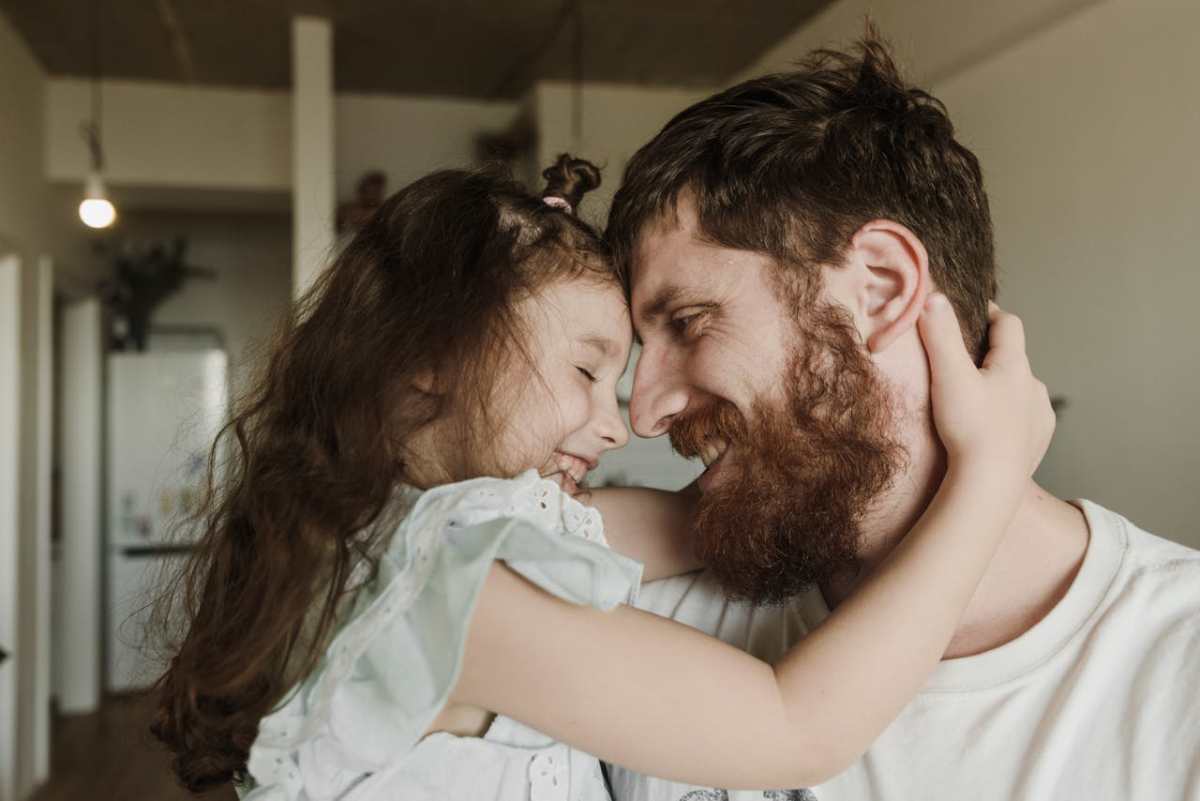
“It's really nice to have the photographs to say, ‘Oh my goodness, do you remember when you did this, we did this, diving in the swimming pool, we went on that holiday,’” the mom poignantly remarked. The single mom took on the fight, and when Apple told her she needed a court order, she called her attorneys.
After a 3-year-long battle, she finally got access. Judge Jan Luba, who ruled over the case, decided to change the prevalent laws that didn’t grant access to the family of the deceased. Solicitor Matt Himsworth, who helped her case on a pro bono basis, along with other experts, agreed.

Himsworth noted how memories were first stored in tangible photo albums, but with the world going digital, they’re online. However, not having a password shouldn’t be the reason loved ones can never access these memories, especially in cases like Rachel’s.
“There should be a universal process for heirs of estates to access the data held in these accounts,” he added. Finally, in May 2019, the mom was able to sit her daughter down and show her the pictures. It was undoubtedly a lot to take in. With time, Matilda will definitely want to keep these clicks close to her heart.

A study from Science Direct revealed that the material belongings of deceased loved ones play an important role in managing grief. The entire process of sorting through these belongings is difficult, as each simple item, like a plate, a piece of clothing, or a picture, holds memories and holds a way of keeping the deceased alive. To decide whether to keep these belongings or discard them, and the entire process is important in grief.
The Supportive Care revealed that 75% of mourners engaged in sense-seeking behaviors like visiting their favorite places, listening to their favorite music, trying foods they loved, and so on. Every grieving process and timeline is different, and even the littlest tangible and intangible factors make a difference.
More on Scoop Upworthy
11-year-old boy keeps late father's memory alive through special Halloween tradition
Man breaks down in tears after hearing the only voicemail from his wife who passed away 14 years ago
 Share on Facebook