Bizarre app lets strangers decide what you can buy. They rejected a $3 milk tea in a minute
Five out of seven voters reject the beverage in under 60 seconds because cheaper alternatives were available.

Impulse shopping can drain a bank account faster than most people realize. Now, an unconventional tool is taking over the internet by handing financial control over to complete strangers. Dexerto recently spotlighted this trend after the South China Morning Post (@scmpnews) shared a viral Instagram reel about a bizarre new app that lets random users vote on your purchases. One reporter found out how quickly strangers could shut down even a $3 craving. The clip posted by @scmpnews on November 11, 2026, has racked up 66,000 views, 730 likes, and 11 comments.
'Wallet, Please Wait'
The free WeChat mini-program, named "Wallet, Please Wait," acts as a digital roadblock before you hit checkout. Built in just eight days with AI assistance by a Shanghai product manager going by "Huoshan," the platform gained 10,000 users in its first nine hours. It has since exploded past 300,000 participants and 370,000 purchase requests right amid China's massive Singles' Day (Double 11) shopping festival. To use it, shoppers must fill out a form listing what they want, the price, why they need it, and whether cheaper options exist. Once posted to a public forum, total strangers vote to approve or deny the buy and must explain their reasoning. The results range from heartwarming to brutally honest.
Users happily greenlit a $6 (40-yuan) carbon monoxide detector for elderly relatives within minutes and even approved a $9 (60-yuan) barbecue dinner for an unemployed user living off savings, telling them not to be too hard on themselves. On the flip side, a $2,240 (15,000-yuan) request for a new iPhone ended in a six-to-six tie, with half the voters urging the buyer to just pay for a cheaper screen repair.

Rejection under 60 seconds
When a journalist from Chinese outlet Sichuan Online decided to put the app to the test, the internet showed zero mercy. The reporter submitted a modest request for a $3 (20-yuan) milk tea, only for five out of seven voters to reject the beverage in under 60 seconds because cheaper alternatives were available. Despite that brutal rejection, developer "Huoshan" explained that the concept came from repeatedly regretting unnecessary purchases and needing a way to reconsider spending choices.
Impulsive shopping in the U.S.
Impulse buying is common among U.S. shoppers, too. A 2026 PartnerCentric survey of more than 1,000 American consumers found that 81% had made at least one impulse purchase that year. Food was the most common category, cited by 54% of respondents, while 64% said that feeling they deserved a treat or reward could trigger an unplanned purchase.
'Are You Dead'
This app follows another viral Chinese app from earlier in 2026, "Are You Dead?", which topped charts by requiring solo residents to regularly check in to prove they were still alive. Supporters argue that outside opinions help curb wasteful habits. However, critics warn that relying too heavily on strangers could undermine people's confidence in making their own financial decisions.
'We need an app to control impulses'

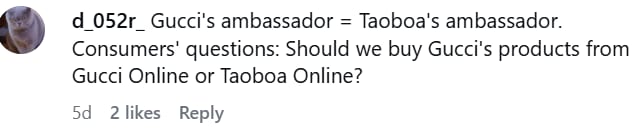
The unusual idea sparked a mix of amusement and curiosity online. @sarahsternm simply asked, “What’s the name of the app??” while @georgelau8 joked, “Why don’t they announce the total sales number anymore?” Others were more skeptical about the shopping culture surrounding big sale events, with some questioning whether discounts really encourage people to spend less.
More on Scoop Upworthy
Mom sparks debate by revealing she uses Apple AirTags to keep track of her kids when they go out
An experiment with 400 shoppers revealed how US stores secretly change prices for each person
 Share on Facebook


