Apollo 11 astronauts left a stack of signed postcards to serve as 'life insurance' for their families
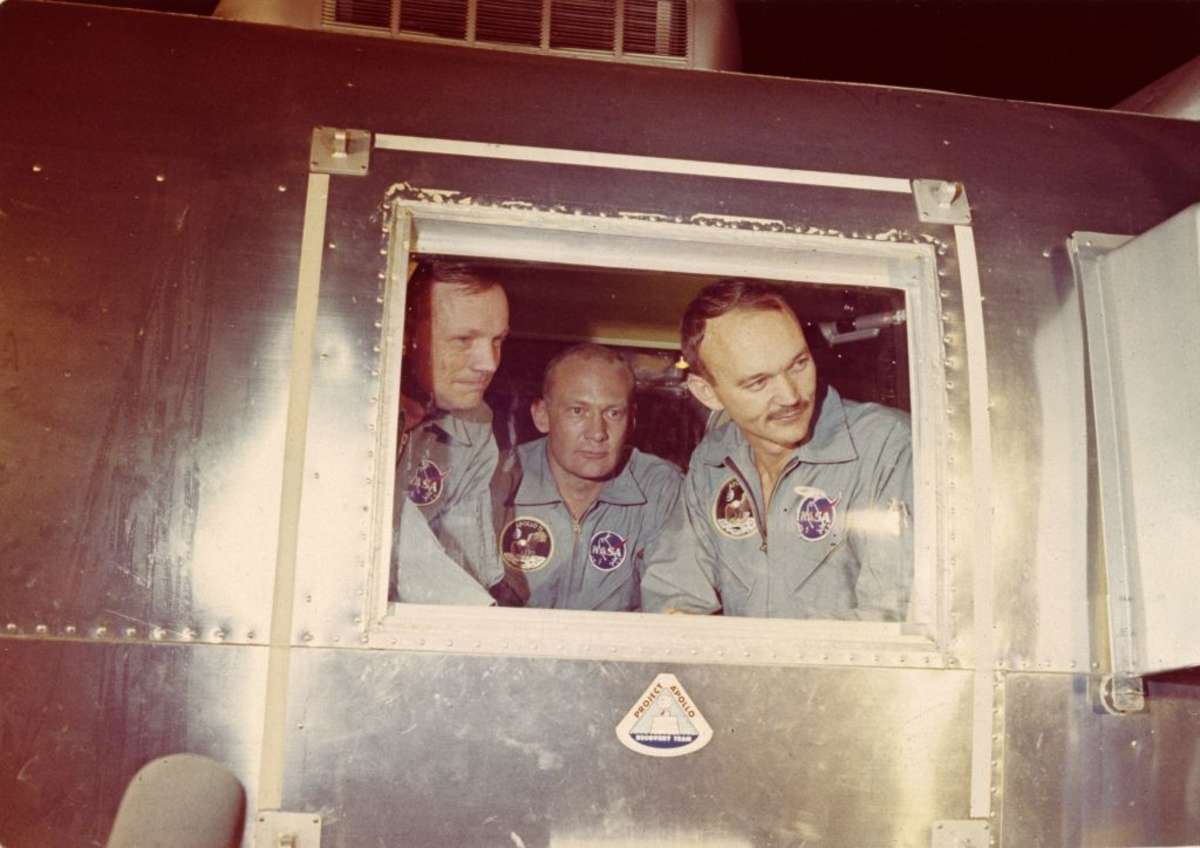
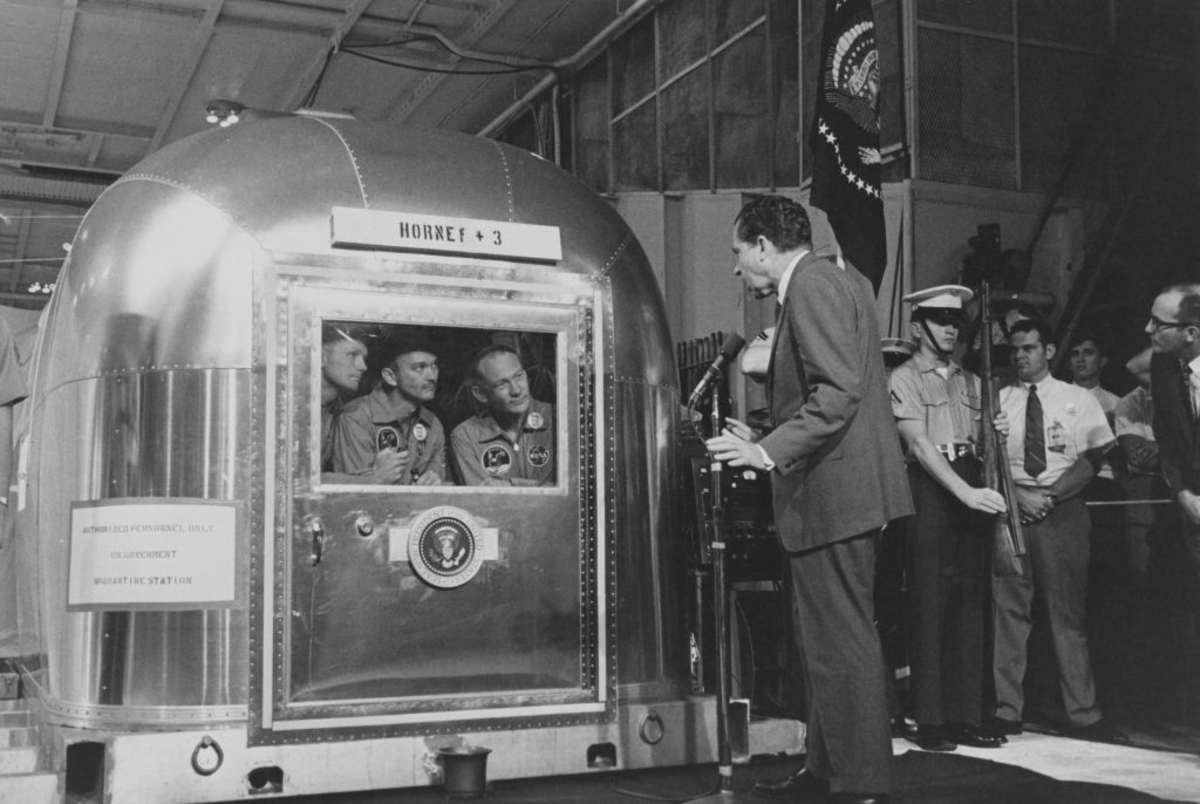
The plan was implemented when the three astronauts were inside the quarantine space, preparing for the lunar mission

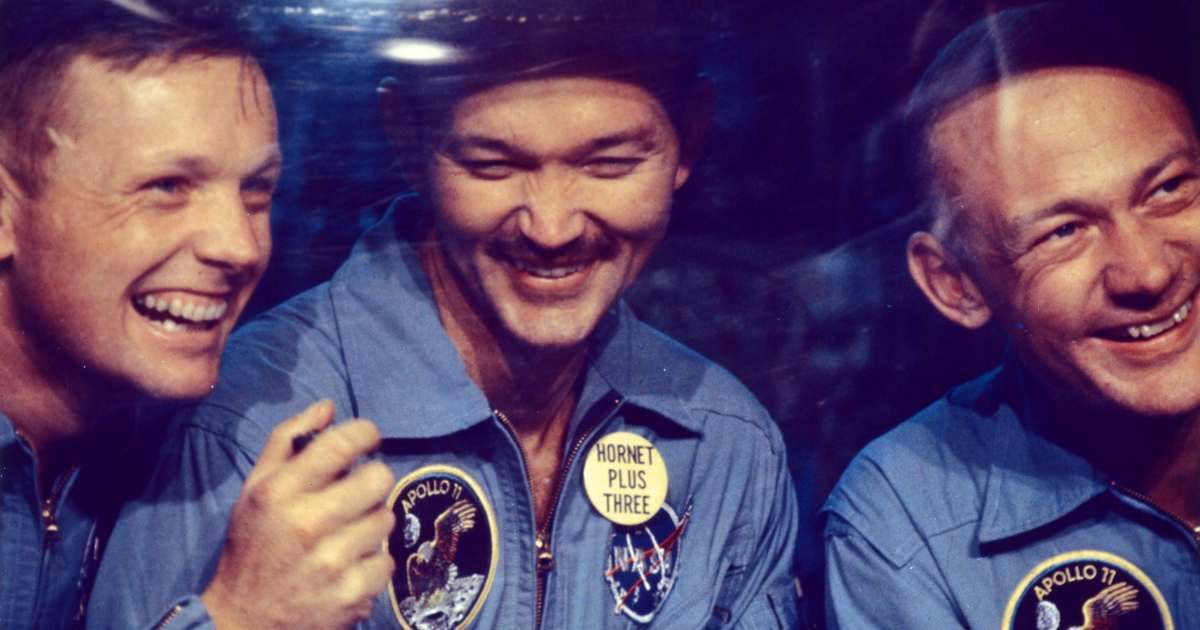
An officer sitting inside a life insurance office had the weirdest day possible when a NASA astronaut about to fly to the Moon walked in requesting coverage for his family, especially since there was a fifty-fifty chance he wouldn't make it back to Earth. Sounds wild? This actually happened 57 years ago, when three astronauts bumped into this predicament.
Neil Armstrong, Michael Collins, and Edwin "Buzz" Aldrin were about to embark on an Apollo space mission to the Moon (Apollo 11), so they tried getting insurance for their families, only to realize that their level of risk would need a small fortune in yearly premiums. So, they capitalized on all that they had — fame. A month before their mission, when they were put into quarantine, they spent time planning bankrolls for their families by signing autographs on hundreds of envelopes, NPR reported.
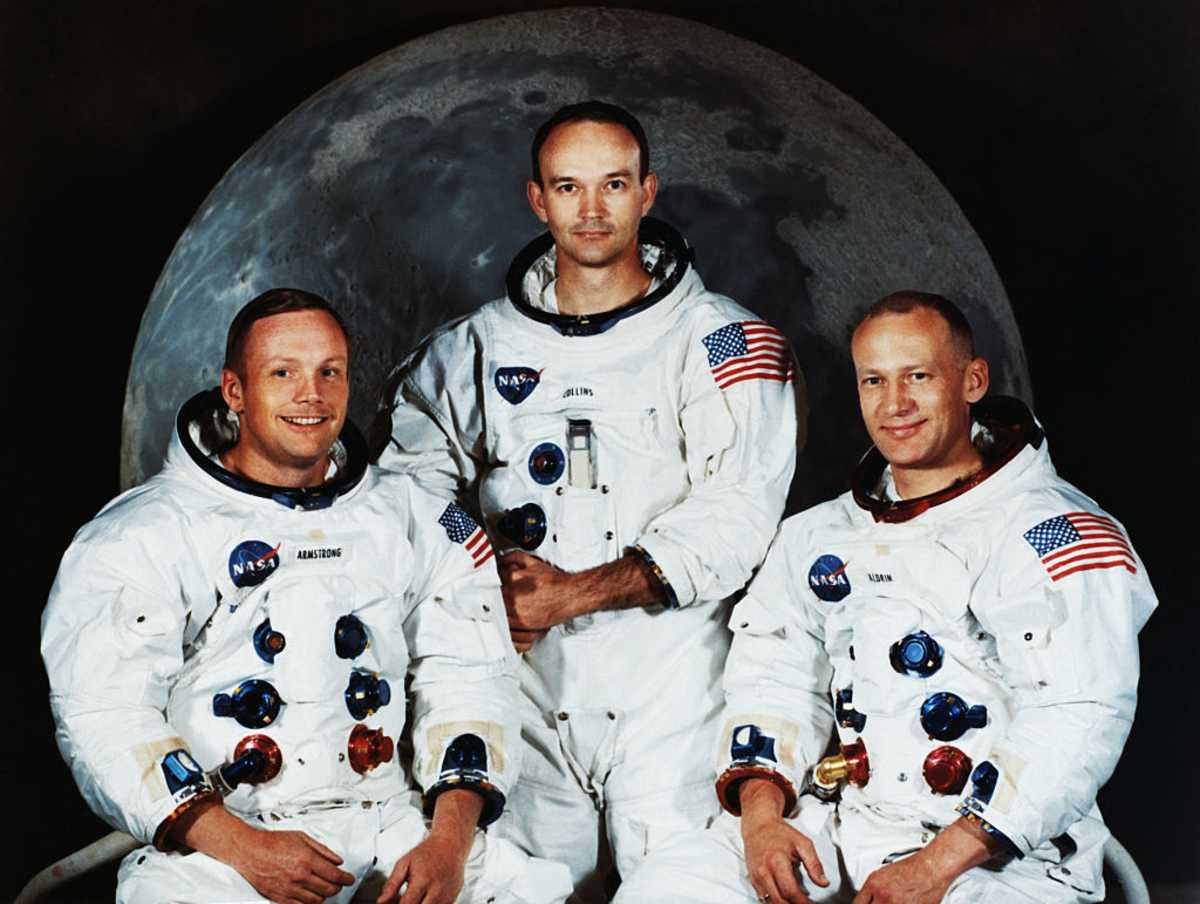
In July 1969, the three men were inside a tiny capsule perched atop a 400-foot-tall rocket. A computer malfunction could throw off their space capsule into a restless disorder, or a broken engine could disrupt the travel on the way.
Life insurance companies quietly backpedaled from the scenario, because who, after all, would put their money on three men who were about to travel 238,900 miles away from Earth, to somewhere where humans don’t usually go? To put things in context: Three astronauts died in the Apollo 1 mission fire on January 27, 1967 — only 2 years before this mission. Virgil "Gus" Grissom, Edward White II, and Roger Chaffee died of asphyxiation during a pre-launch test at Cape Kennedy when a fire broke out inside the command module.
With all this in mind, Neil Armstrong devised the coolest way to secure the insurance money without a hefty premium.
The three astronauts signed as many "covers" as they could, and handed them over to a friend. So in case the astronauts failed to return home, their only plan was to hand out these autographed postcards to their families, who would use them for financial assistance in the future. While the three men were on the Moon, a friend got the autographs postmarked and gave them to their families.
Robert Pearlman, a space historian and collector with collectspace.com, said, "These astronauts had been signing autographs since the day they were announced as astronauts, and they knew even though eBay didn't exist back then, that there was a market for such things... There was demand."
If they didn’t return, their families could sell them and fund their everyday needs and requirements. The autographed artifacts were appealing, given that they captured a moment of uncertainty, that the man who signed them may or may not be alive in a few days.
The families, fortunately, didn’t have to use the autographed envelopes. But today, these autographs sell at thumping prices in markets, ranging from $5,000 a piece to as much as $30,000.
More on Scoop Upworthy
Astronaut says the sight of a particular manmade structure from space had a profound impact on him
A single look at Earth from space changed this NASA astronaut's entire worldview
First Native-American woman in space felt something no one had ever felt before — Earth’s fragility
 Share on Facebook


