‘You don’t get young people’: Australian minister admits Gen Alpha teen is right. Here's why
'If we had a fight at school or were dealing with a bully, we had to leave it at the school gate.'


One of the news-making headlines globally is Australia’s new law regarding social media for children. Implemented earlier this month, it received much controversy on the internet. Australian minister Anika Wells (@anikawellsmp) has been advocating for the law on her Instagram page for a long time, where, recently, she recalled a conversation she had with a teen girl over email. One statement made her stop in her tracks — “You don’t understand what it’s like to be young.” Disrespectful? Not per se. In fact, the minister herself shared why she understands what the girl meant and why she was right. She shared some impressive reasons why it is directly connected with their law as well.
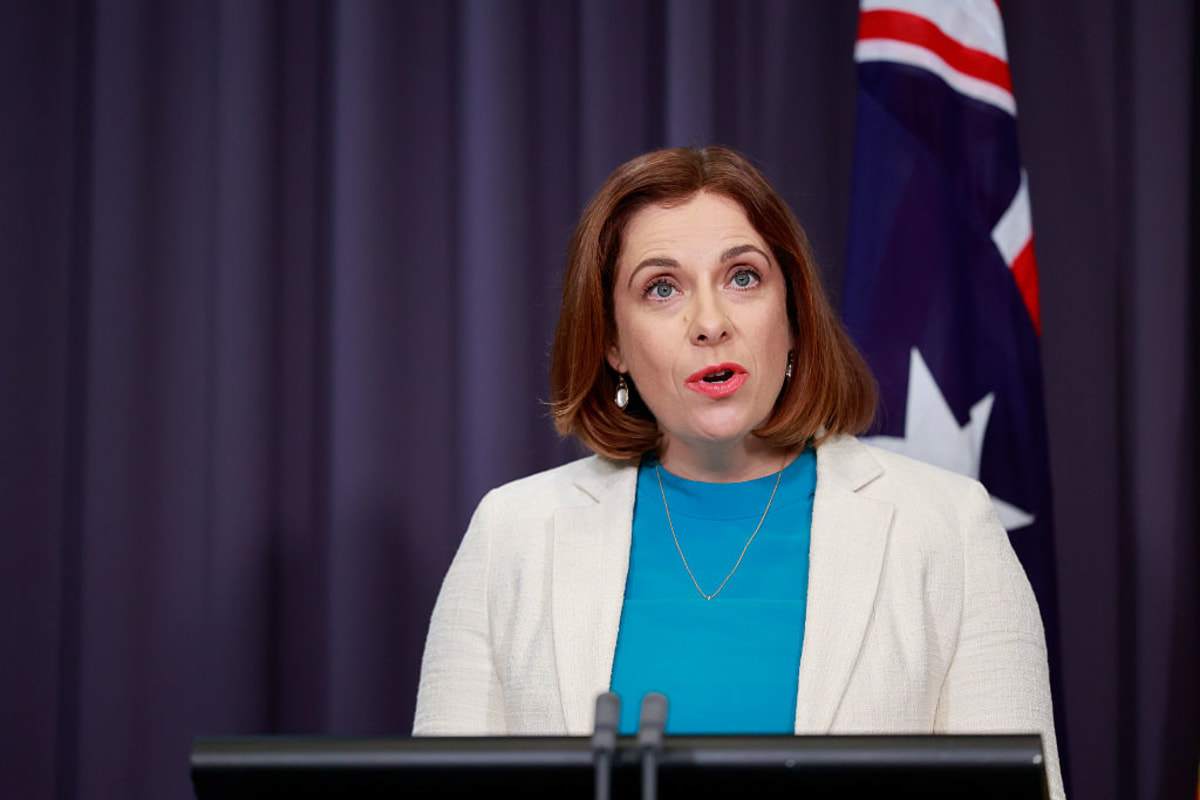
A 13-year-old from Queensland wrote to Wells and said, “I understand the whole mental health thing, but you guys don’t understand what it’s like to be young.” The woman boldly explained that this teenager was right. She was coming from a place of confusion, overwhelming dynamics, and a hundred other factors influencing their youth. To put her point forward, Wells went back in time to how Gen Xers and Millennials had access to one computer, a TV, and a landline, all in common rooms of their home. “When we got older, we got a flip phone, but every text cost credit,” she said, adding that the use was sparing and restricted. That brought her to a very important point.
Wells noted that because of the 'credit' feature, no one was free to use the media as they liked. They had to use it only when necessary. “If we had a fight at school or were dealing with a bully, we had to leave it at the school gate," she remarked. She added that the older generations had access to entertainment only in a limited manner. They had to use their pocket money to buy magazines. “Yes, they set unrealistic expectations but those magazines were monthly,” Wells noted. Unfortunately, the case is not the same for today’s youth. The minister explained how having access to social media and the internet at the “palm of their hand” has turned the whole situation upside down.

The kids might be getting a constant dopamine drip, but they’re also being exposed to unrealistic settings and trends on a regular basis. “Targeted algorithms, constant notifications, and trends” are distracting them from the reality of the world. The youth are stuck in a loop — if they use social media, they’re exposed to a facade and feel the need to keep up. If they don’t, they're “missing out.” It’s no wonder that they feel their minds are being played with, because they are. It’s no wonder they feel they’re stuck and drained because the loop won’t end. “That’s why this law matters. To give the Gen Alpha and the next generations a break from the persuasive and pervasive pull of social media,” Wells remarked.
The break is something the teenagers don’t even know they need. The law targets the younger generations. Those under the age of 16 are banned from using social platforms like Facebook, Snapchat, Instagram, and so on, BBC News reported. And for good reasons. A study conducted revealed that 96% of children aged 10-15 used social media. Seven in ten children were exposed to harmful content, experienced cyberbullying, and worse experiences. According to the World Health Organization, 11% of adolescents displayed problematic behavior due to social media.

Along with mental health problems, there are many other risks and dangers to health, safety, and more for children being exposed to reckless content. Dr Hans Henri P. Kluge, WHO Regional Director for Europe, also shared his concern about the struggling youngsters. “It’s clear we need immediate and sustained action to help adolescents turn the tide on potentially damaging social media use, which has been shown to lead to depression, bullying, anxiety and poor academic performance.” Wells has only taken one step further in this global mission. "It's going to look a bit untidy on the way through. Big reforms always do,” she said. @maurziegal said, “Teachers and educators across the nation thank you for this.” @lidabetg added, “This is the most inspired initiative for Generation Alpha.”
More on Scoop Upworthy
Nostalgic clip from the 90s displays what high school looked like before social media
Mom offers 12-year-old son $1,800 to stay off social media until he turns 18. He won.
 Share on Facebook


