AI webcam photographed remote worker with lupus every 3 minutes, so she protested. Her boss gave 3 options: accept it, commute 6 hours a day or quit
Timinski had to endure 160 sudden facial recognition checks. For someone like her, who struggled with chronic health conditions, her home office became a breeding ground for stress.

Remote work promised freedom from the corporate gaze, but for millions of employees, the office has followed them into their living rooms. Software that silently tracks keystrokes, logs bathroom breaks, and demands constant visual proof of presence has been rolled out with little regard for the workers. The latest casualty of this automated distrust is Glennis Von Sander-Timinski, a remote worker from New Jersey. After her employer, Sutherland Healthcare Solutions, deployed Sentinel AI to snap webcam photos of her face roughly 160 times a day, it aggravated her chronic anxiety. But when she pushed back and requested medical accommodation, the company refused and offered three options, Gadget Review reported on October 9, 2026.
Remote Employee Fired After Refusing To Be Photographed by an AI Tool Every Three Minutes, Lawsuit Claims
by u/Eynerd in fefe_blog_interim
Surveillance mode on
Before algorithms dictated her workdays, Timinski had built a long, steady career at Sutherland Healthcare Solutions. She had worked remotely since 2018, logging in more than ten years of dedicated service from her Atlantic County home. Her day-to-day duties relied on mutual trust and standard performance metrics, allowing her to manage her career alongside chronic health conditions, including anxiety and systemic lupus erythematosus.
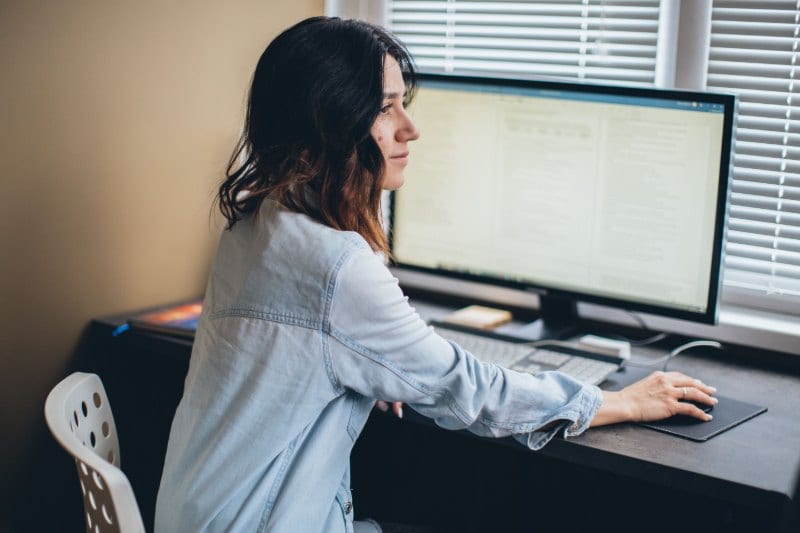
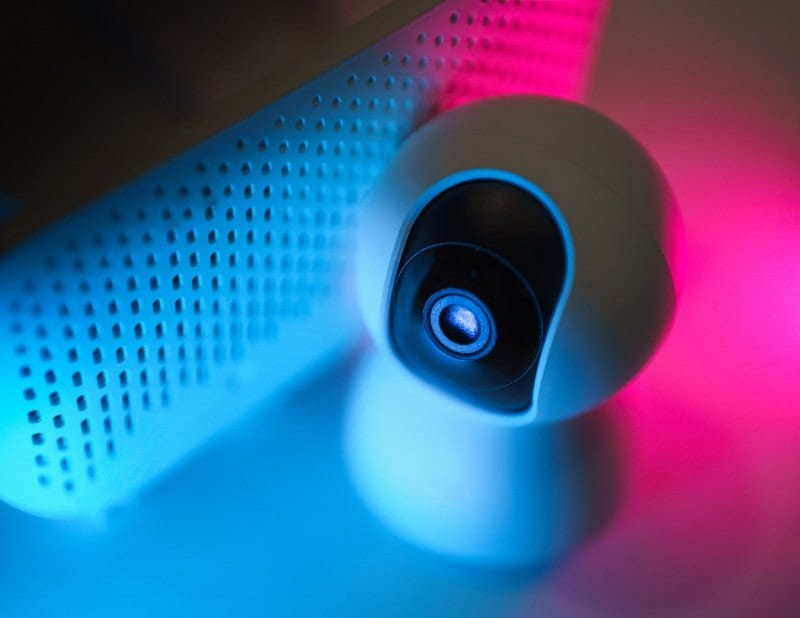
That balance, however, shattered earlier in 2026, in August, when management rolled out Sentinel AI across its remote workforce. The automated program turned employee webcams into digital overseers, configured to snap a high-resolution photo roughly every three minutes. This meant over an eight-hour shift, a worker like Timinski had to endure 160 sudden facial recognition checks. For someone like her, who struggled with chronic health conditions, her home office became a breeding ground for stress.
Pleading for relief
The relentless monitoring took a toll on her. It triggered intense anxiety and dangerous autoimmune flares. In response, Timinski's physician sent formal medical documentation urging Sutherland to reduce the frequency of the snapshots, noting that constant digital surveillance directly worsened her condition. But even though she didn't ask for a complete pass, the company denied her. Instead, they gave her three options: agree to uninterrupted AI surveillance, drive three hours each way to the office in Clinton, or resign.

AI takeover
Timinski's story highlights why workers like her across the United States worry about AI in the workplace. According to a Pew Research survey, a striking 52% of employees are worried about AI at work. Meanwhile, 33% report being overwhelmed by all the new rules and regulations they have to follow following the introduction of AI in their workplace. Lastly, 32% of workers believe AI will eventually lead to fewer jobs for them.
Leaving her with no option
For any employee living on the other side of New Jersey with a debilitating illness, a six-hour commute was impossible. Nonetheless, when Timinski stood up for her medical accommodations, the company fired her on September 8, 2026, ending her decade-long tenure in an instant. Refusing to let this end her career, she moved to the courtroom, testing state civil rights protections. "Our client’s employer failed to engage in the interactive process required under the New Jersey Law Against Discrimination," her legal counsel stated.
They are arguing that Sutherland denied her an accommodation that would've kept a long-serving employee productive. While the company has yet to release a public statement, the lawsuit arrives alongside proposed New Jersey legislation like Senate Bill S4075, which aims to rein in unchecked home surveillance before automated tracking outpaces human rights. Hopefully, it won't be long before Timinski gets served justice and is rightly compensated for her losses.
More on Scoop Upworthy
Amazon driver dubbed 'Real-life Grinch' dumps 80 packages in the woods due to 'overwhelming stress'
 Share on Facebook