A NASA astronaut smuggled a corned beef sandwich into space. It caused enough trouble to reach Congress
'Pretty good, though, if it would just hold together.'

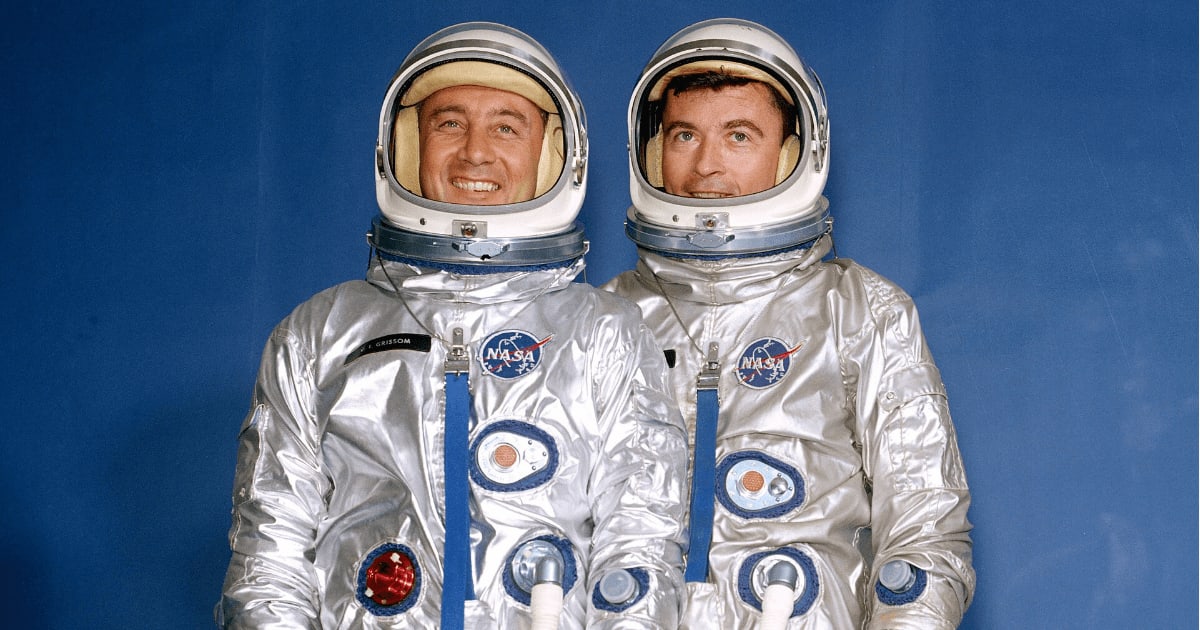
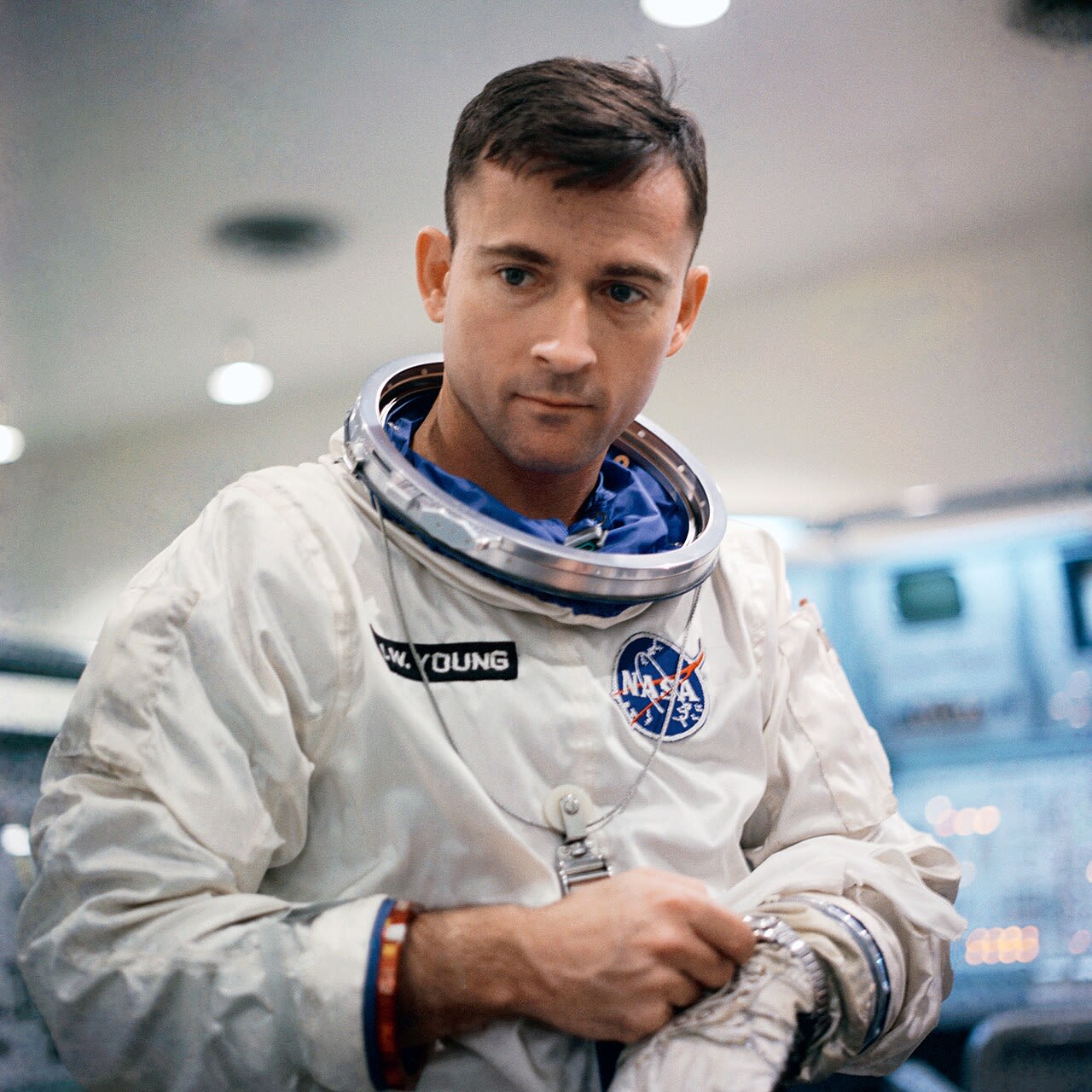
On March 23, 1965, during the landmark Gemini 3 mission, as documented by the National Air and Space Museum, NASA set out to test two-man orbital spaceflight. But while mission control focused on orbit adjustments and complex equipment checks, pilot John Young had a secret plan brewing inside his pressure suit. Slipped into his pocket before launch was an unauthorized snack that would scatter crumbs in the cabin and later draw criticism in Congress.
Sandwich over NASA food
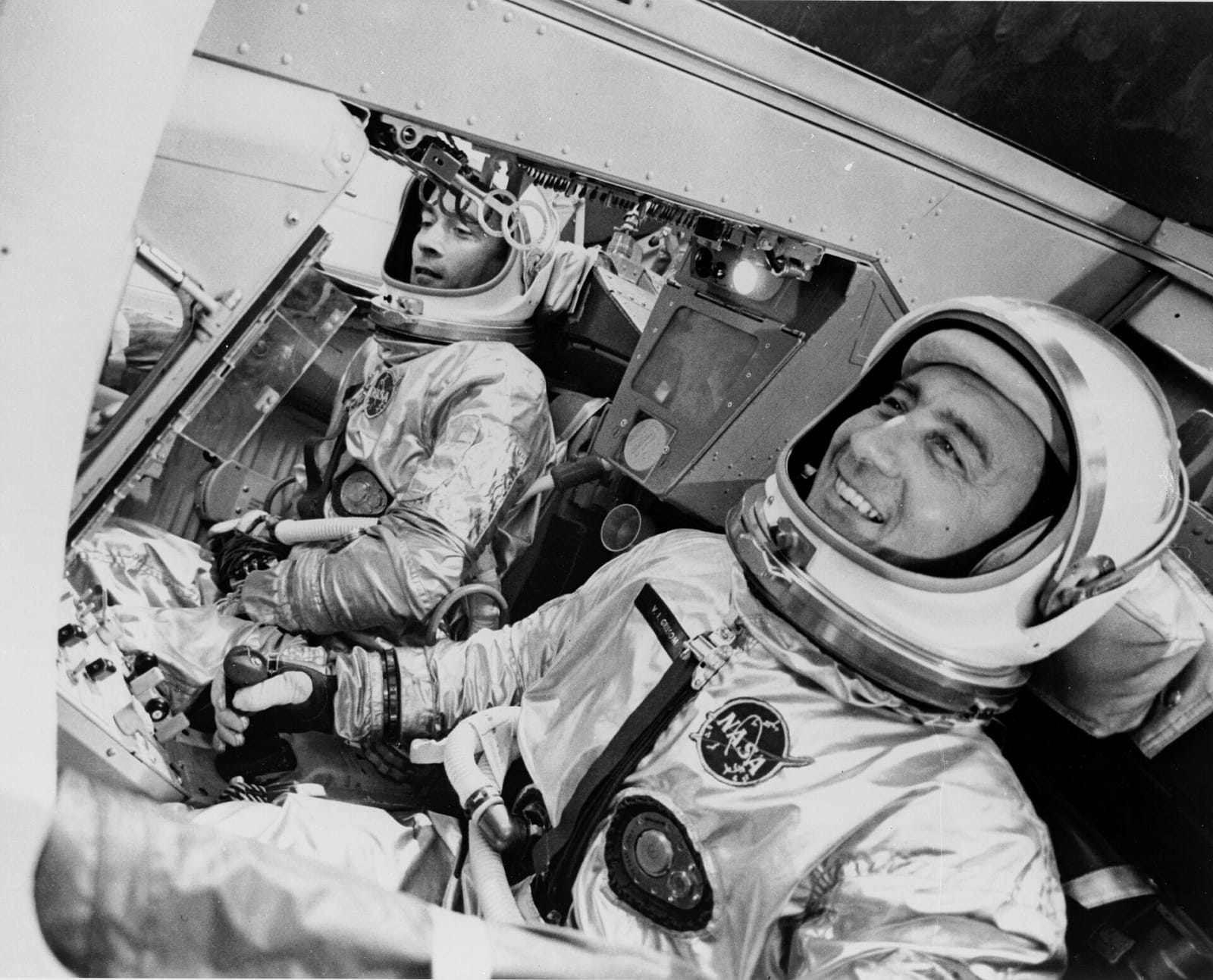
The mischief began on the ground at Wolfie's Restaurant and Deli in Cocoa Beach, Florida, where backup pilot and legendary practical joker Wally Schirra bought the sandwich and passed it to Young right before takeoff. Disgusted by NASA’s official 4-ply laminated meal packages, which forced astronauts to insert a water gun into plastic bags containing unappetizing cold water pastes and "barely edible" freeze-dried chicken, Young decided to improvise. Nearly two hours into the five-hour flight aboard their spacecraft, named Molly Brown, Young pulled out his contraband snack and offered a bite to command pilot Gus Grissom, asking, “Let’s see how it tastes. Smells, doesn’t it?”
Chaotic crumbs floating in zero gravity
When Grissom tried the sandwich, crumbs began floating around the cabin. "Crumbs of rye bread started floating all around the cabin," Grissom later recalled. Loose crumbs were a concern because they could drift into equipment or the astronauts’ eyes. Panicked, Grissom put the remaining sandwich in his pocket when it began falling apart, prompting Young’s classic air-to-ground remark: “It was a thought anyway… Not a very good one.” Grissom jokingly admitted it was "pretty good, though, if it would just hold together," before turning down Young's follow-up offer for a chicken leg.
NASA food policies
The incident highlighted a practical problem with eating in microgravity: loose crumbs can float around the spacecraft. Tortillas are among the foods astronauts eat today because they produce fewer crumbs than ordinary bread. Data from the Canadian Space Agency highlights that food taken into orbit must be nutritious, compact, lightweight, shelf-stable, and produce minimal crumbs. Today, a replica of that infamous sandwich "preserved in resin" is displayed at the Grissom Memorial Museum in Mitchell, Indiana.
'$30 million sandwich'
Ultimately, the corned-beef chaos was a footnote to Young’s long and illustrious career at NASA: he was the first person to fly in space six times, the first to circle the Moon alone, the first Space Shuttle mission commander, and spent 42 years in NASA’s astronaut corps. While the crew made it back safely without damaging the spacecraft, news broke at a post-flight press conference and sparked an uproar in Washington.
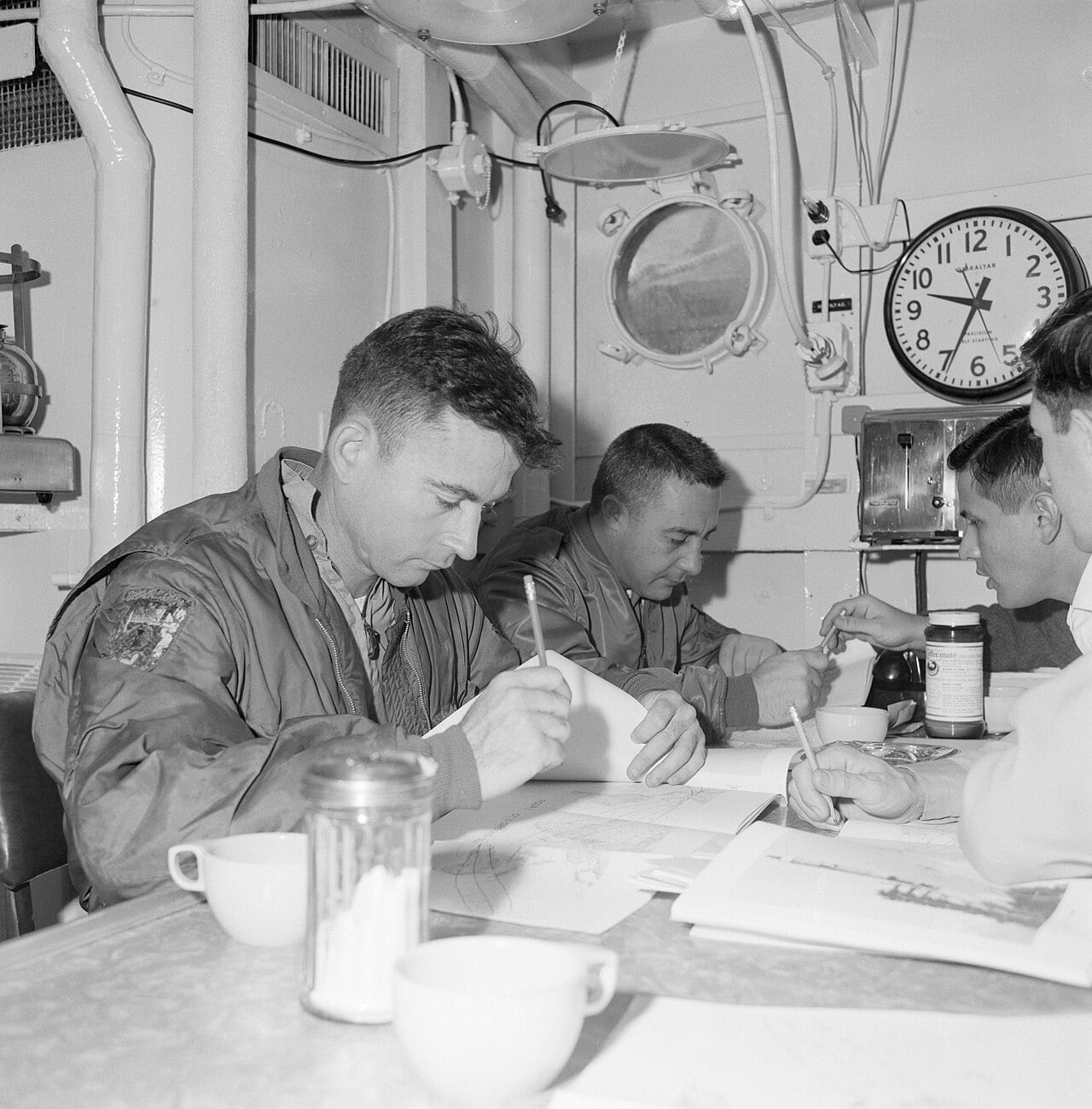
Members of the U.S. House of Representatives Committee on Appropriations called a hearing, furious over what Representative George Shipley dubbed the "$30 million sandwich," arguing that an unauthorized prank risked an enormously expensive government project. NASA Administrator James Webb overruled defenders of the stunt, and Associate Administrator George Mueller had to formally assure Congress, "We have taken steps… to prevent recurrence of corned beef sandwiches in future flights."
More on Scoop Upworthy
NASA reveals what 'spaceflight' does to the human mind
A NASA spacecraft 15 billion miles from Earth suddenly began transmitting mysterious signals
 Share on Facebook