She couldn’t feel her husband’s heartbeat for 40 terrifying minutes — until one line from the 911 dispatcher changed everything
While working as an emergency communications specialist with Metro Communications, Moen received a frantic call from Suzanne Engbrecht


Dispatchers are trained to guide callers through emergencies while help is on the way, but they rarely learn what happens after the call ends. Kacey Moen from Sioux Falls, South Dakota, was one of the few who did, as reported by Keloland This Morning on May 18, 2026. In January, while working as an emergency communications specialist with Metro Communications, Moen received a frantic call from Suzanne Engbrecht, whose husband had gone into cardiac arrest. Staying calm, he guided her through chest compressions for over 40 minutes while her husband's heart refused to start again. In the end, one line from Moen made all the difference.

Her hands were getting tired
Engbrecht, who was interviewed by the outlet, said, "We started compressions, and the 911 operator, Kasey, talked me through it, and he was counting with me. He said, count out loud so I can hear you." This technique likely helped Moen keep Engbrecht energized while the emergency dispatcher checked for the correct CPR rhythm. After 5-6 minutes, Engbrecht complained that she was getting really tired, but Moen did not let her give up. He told her to keep going.
One line changed it all
"He was the voice of calm and reason," Engbrecht described her call with Moen. He kept repeating the words "Just keep going" while reminding Engbrecht that emergency services were almost at her door. This took her from being tired at minute 6, to still pumping her husband's heart manually at minute 40, when the troops finally took over.

A miraculous recovery
When first responders arrived, the call ended, and Moen did not know how the situation turned out. Recently, he got the chance to meet Engbrecht and her husband, Wes. "Seeing him and thanking him again today was just fantastic. I think it’s very, very amazing to have that part of this story to connect and bring home," Wes said about his meeting with Moen. Luckily, Wes has been making good progress towards recovery and did not have any brain or kidney damage despite going 40 minutes without a heartbeat.
Helping a mother deliver alone
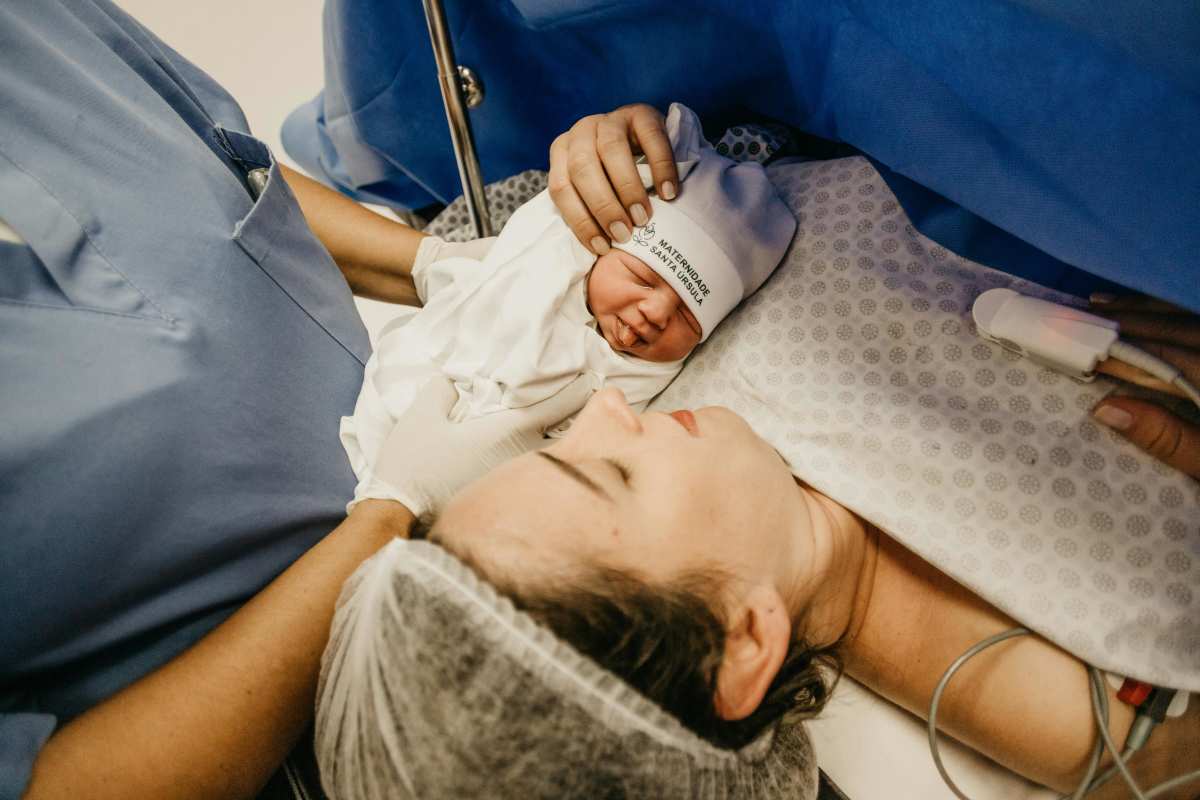
Moen also received a call last year in June from a mother who had gone into labor three months before her delivery date. She had no one else with her, except Moen's voice on the phone. He helped Mackayla Mckinney deliver her baby over the phone. Thankfully, a few minutes later, the EMTs arrived and took her to the hospital. 11 months later, Mckinney got to thank Moen for talking her through the tiresome delivery. She said, "My son would not be here if he wouldn’t have walked me through all the things."
What 911 operators deal with behind the scenes
Working as a dispatcher is a mentally and emotionally draining job. The 2023 NENA & Carbyne State of the Industry Survey found that 82% of the centers, according to the participants, were understaffed. This is one of the reasons causing dispatchers to experience burnout at work. The study also revealed that 88% of the staff had positive feelings about working at a 911 center, but 70% experience fatigue. 56% were dealing with anxiety, and 53% felt unenergetic. The survey stated, "The number of young people joining is not nearly enough to replace the number not only retiring but also those burning out."
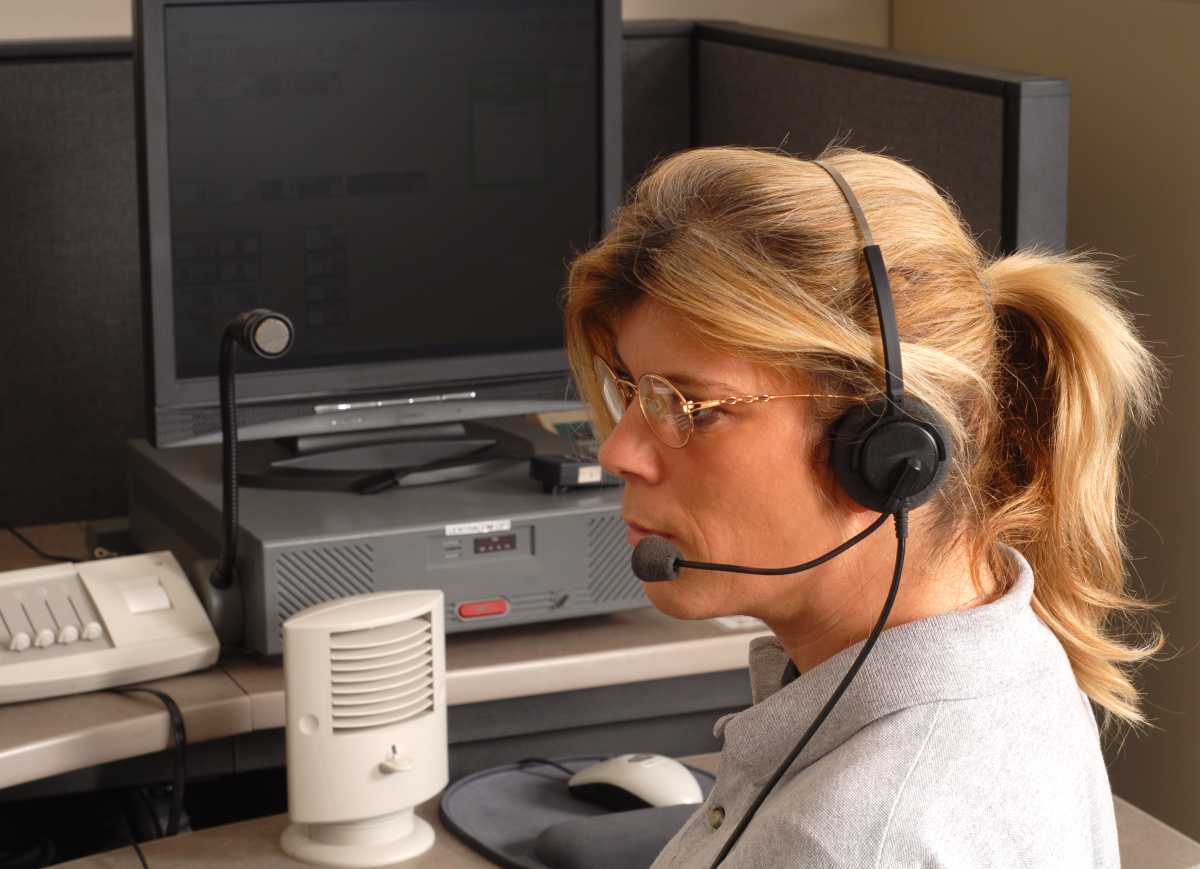
Even though it is their duty to respond to callers, Moen said that being able to witness the positive impact he made on his callers is rewarding. "It’s really something special because it’s not every day that we get to see the results of the calls that we take or the outcomes," Moen concluded.
More on Scoop Upworthy
20 hilarious 911 conversations that show the most wholesome side of the helpline
Woman cleverly dials 911 under the guise of ordering pizza to save herself from being assaulted
Brave 5-year-old calls 911 to save dad’s life but not before having hilarious conversation
 Share on Facebook