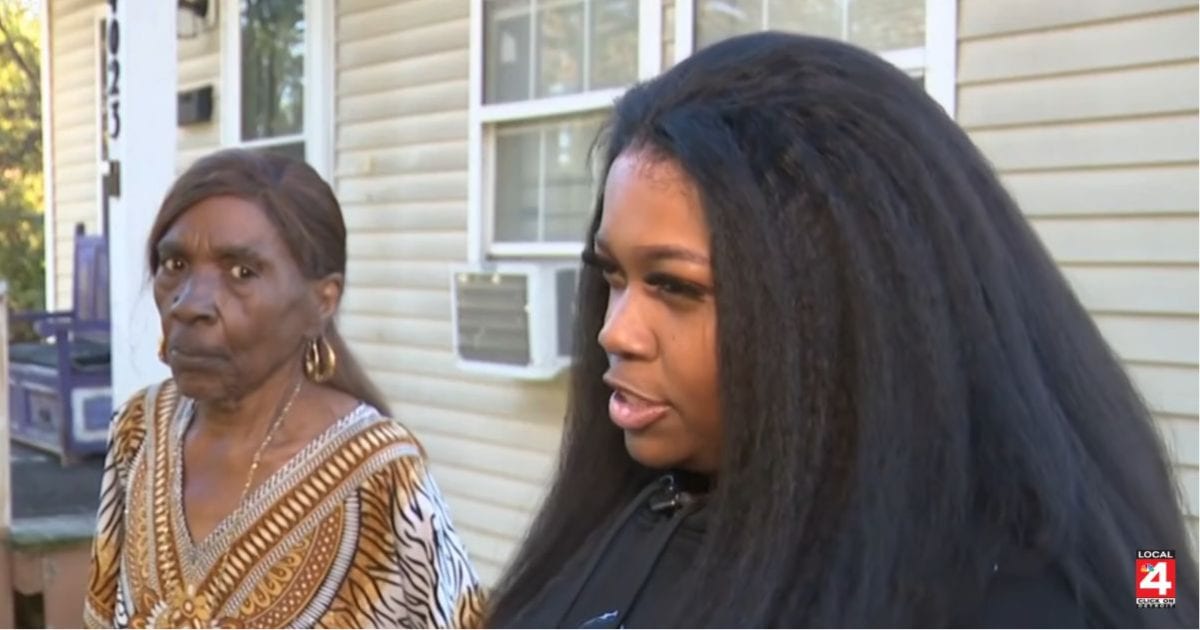
At 82, she discovered she was the last person who spoke her language. She knew she had to preserve it
'The dictionary was her whole life,' her daughter said in a phone call. 'The language was dying, and she brought it back.'


Native American Marie Wilcox spoke the language Wukchumni, a dialect of Tule-Kaweah Yokuts, for several decades. Years ago, when one of her elderly relatives passed away, she became the last remaining person in the world who was fluent in Wukchumni. There were only 200 left in the tribe, and only one who spoke its language. To prevent it from going extinct, the then 82-year-old taught herself to use a computer and began writing a 6,000-word dictionary, which has now become the first "complete compendium" of the language in the world. Sharing her story on Reddit, the post by Upstairs-Bit6897 on December 29 has garnered more than 75,000 upvotes online.

Marie Wilcox was a proud Native American who spoke the language Wukchumni, a language that originated among her tribe in California's San Joaquin Valley. She remembered it from her childhood, but eventually gave it up for English as she grew older. In the 1990s, after the death of a close elderly relative, Wilcox realized that she was probably the last surviving member who was fluent in Wukchumni, The New York Times found. In an effort to keep her language from going extinct, Wilcox, in the 1990s, began jotting down words in the backs of papers she found. She had to relearn much of the language herself, since her childhood memories were not holding too strongly. Later, at the age of 82, she taught herself to use a boxy computer and devoted her days to typing the words she had been collecting from memory. After nearly 20 years of tireless work, she had finally finished typing a 6,000-word dictionary, which came to be known as the 'Wukchumni Dictionary.' Jennifer Malone, one of Wilcox's daughters, expressed her pride in her mother's work. "The dictionary was her whole life," she said in a phone call. “The language was dying, and she brought it back.” Ms. Malone was instrumental in helping Wilcox, her mother, edit and arrange the final dictionary.
Marie Wilcox realized she was the last person on Earth who could speak the Wukchumni language fluently, so at 82, she taught herself to use a computer and spent seven years typing a 6,000-word Wukchumni dictionary, the first written record of the language in history, to save it from extinction
byu/Upstairs-Bit6897 inDamnthatsinteresting
A 2022 study published by Nala H Lee et al. in PubMed examined the urgency to save endangered languages. A spatial network analysis of 3,423 endangered languages, which are at various levels of extinction risks, and found that "critically endangered languages are surrounded by similarly endangered languages." This contributes significant risk to certain hotspots like Southern South America, where the Yaghan (or Yamana) language is now extinct after the death of its last native speaker, Cristina Calderón, in 2022. The findings claimed that languages that are globally isolated (like Basque in Europe and Ainu in Japan) are more likely to face extinction threats. When Wilcox realized that she was the only one who spoke Wukchumni, she understood the urgency to spread the word and not let the language die.
Her sheer determination in her 80s to revive the language and keep it alive helped it from losing its significance. In the 2014 New York Times documentary, Wilcox grew emotional over her native tongue's impending extinction. "It's sad. It just seems weird that I am the last one, I don't know, it's just; it'll just be gone one of these days, maybe, I don't know. It might go on and on," she said. As per ICT News, Wilcox breathed her last at 87 in 2021, leaving behind the legacy of becoming the first Native woman Native woman in California who saved her tribe's dying language.


Soon after the post went viral, many users expressed their thoughts on the inspiring story. u/DMmeNiceTitties wrote, "Imagine not writing a word because it's on the tip of your tongue, but there's no one around who speaks Wukchumni to offer suggestions. Anyways, shoutout to Marie, that's an incredible feat." u/Immeadete-Air-8700 commented, "Damn if that was my responsibilty my language would be so doomed." u/Chance-Growth-5350 wrote, "We need more elders to do this before they pass... Especially in all the various native language groups that have been destroyed through colonisation around the world."
More on Scoop Upworthy
89-year-old decides to 'speak up' and prevent his native language from being forgotten
Research reveals the first-ever language spoken by the people of North America
An Inuk woman teaches her Indigenous language online to help folks reconnect with Inuit culture
 Share on Facebook