Three hikers trusted Google’s Gemini to plan their 8-hour mountain trek. By Monday, they were hoping someone would rescue them
Three novice hikers from Roseville, California, decided to push their blind trust in Gemini up a 14,179-foot active volcano

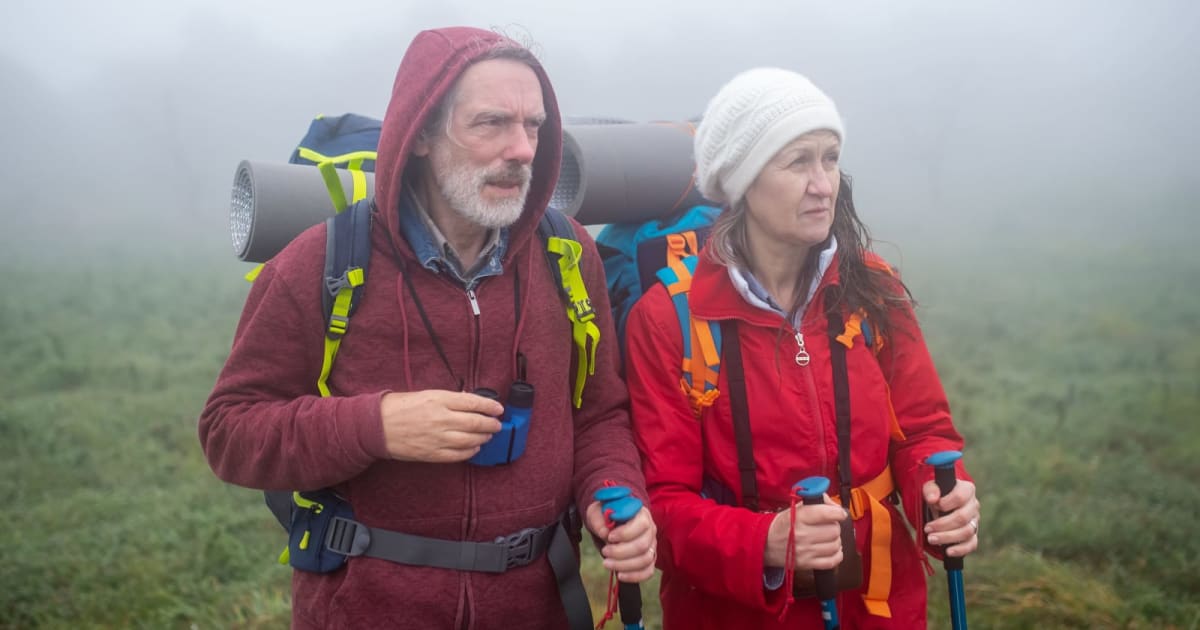
These days, millions of people casually turn to Artificial Intelligence chatbots to draft emails or plan their weekly meals. However, three novice hikers from Roseville, California, decided to push that blind trust up a 14,179-foot active volcano. Instead of consulting experienced mountaineers or checking physical trail maps, the hikers relied heavily on Google’s Gemini AI while planning their Mount Shasta trek. Although they began their trek comfortably, it didn't take long for them to realize the drastic mistake they had made, but by then it was too late. Their 8-hour ascent had turned into a nightmare, as reported by WLBT3 on September 3, 2026.
Blind faith in algorithms
It all began when the three hikers decided to pair Gemini with online mapping apps and video guides to sketch out their summit push. They planned for an eight-hour ascent and packed accordingly. Trusting this information without double-checking with any other sources, the group stripped down their provisions accordingly. "They were advised by Gemini to bring far less food and water than their group required," the Siskiyou County Sheriff’s Office later stated. This left these hikers with almost zero margin for error.

Ignoring the mountain clock
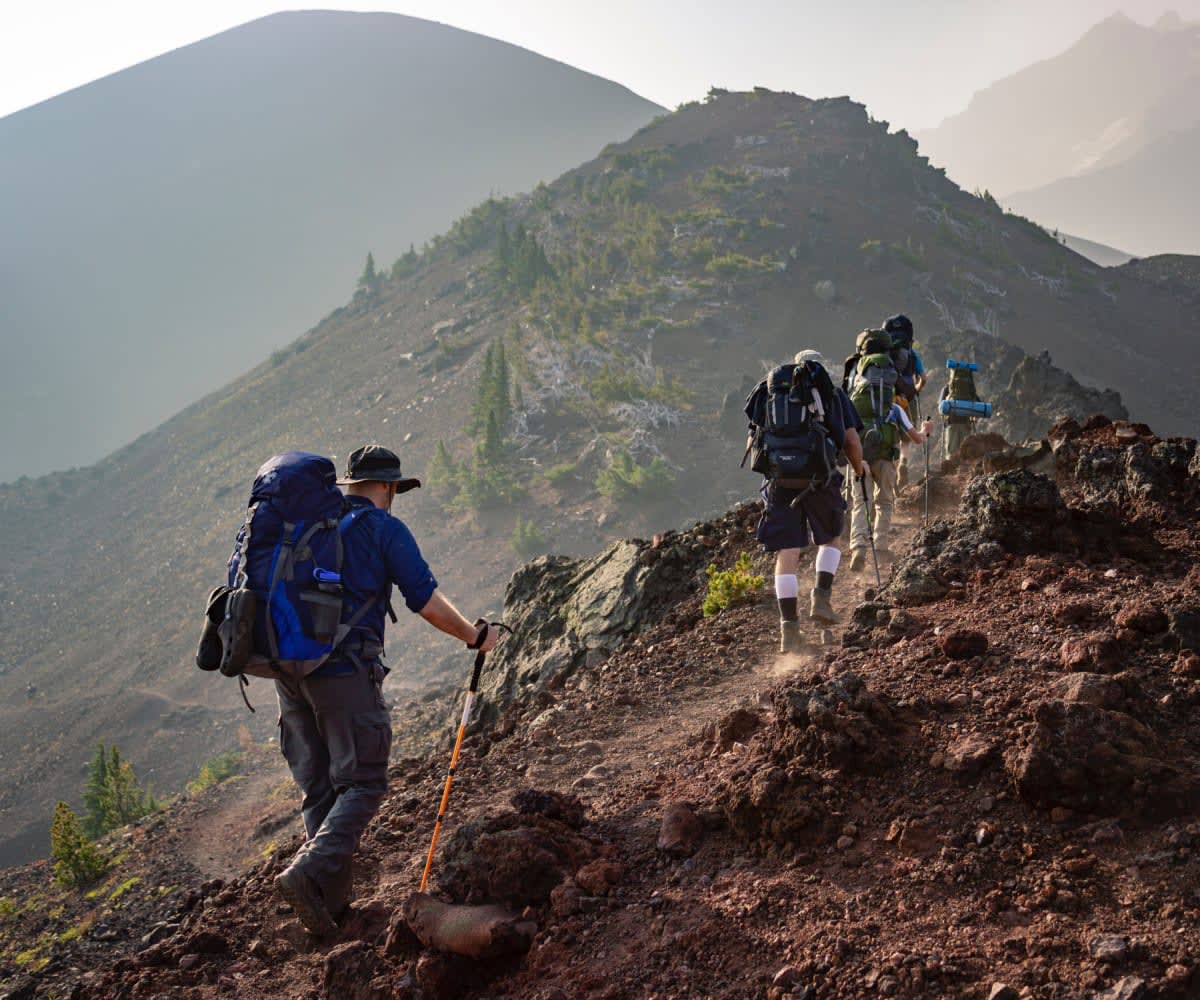
Setting off from their 8,400-foot base camp at 3:00 a.m. on 30 August, the group's planned brisk pace dissolved as loose volcanic scree and thinning air slowed their progress to a crawl. By early afternoon, despite the safety rules warning that climbers should turn back to avoid being caught by nightfall, the trio chose to gamble against fading daylight. The men then summited the peak at roughly 7:00 p.m., well after the recommended turnaround time of 12:00 p.m. Nonetheless, following this, they began their journey down in pitch-black darkness.
Stranded in Mud Creek
Disaster struck almost immediately upon descent when the as they got lost and asked for directions from the County Sheriff's office. Even though they helped, it was of no use as the trio wandered into the Mud Creek Canyon. To make matters worse, during this detour, one of the men fell and sustained a knee injury. This brought their descent to a complete halt. This forced the three hikers to spend the night in the steep drainage without food or water, given that they didn't plan for their eight-hour trek to turn into a multi-day ordeal.
Rescues step in
The next morning, Siskiyou County search and rescue volunteers alongside the USFS Climbing Rangers began a search for them. "Fortunately, all three hikers and rescue teams returned to the trailhead without incident," the Sheriff's Office reported. Even though the officials were happy that these three hikers were safe and sound when they found them, they used this incident as an example for the other hikers planning their trip to Mount Shasta. "This was a critical misstep," they noted while urging hikers to not rely heavily on AI and also to adhere to the turnaround rule.
Concerning future
This incident sheds light on why people should be wary of blindly trusting AI chatbots for everything. A 2026 Matador Network survey of more than 1,000 consumers found that 36% reported a high or near-complete level of trust in AI for travel recommendations and itineraries — the highest share among the uses tested. Shopping came next at 33.6%. The Mount Shasta rescue, however, is a reminder that AI-generated suggestions should not replace official trail guidance, experienced climbers, or proper preparation when safety is at stake.
They don't recognize the dangers


As for the people, which included some experienced hikers, they were disappointed in this trio. They took to the comment section of the Siskiyou County Sheriff’s Office's post to vent their anger. Scott Carter wrote, "Inexperienced climbers don’t realize the dangers they are in and the potential danger to their rescuers. Be safe and seek advice from the right people." At the same time, Noovie Johnsonn noted, "You guys are incredible, as well as the rescue team. I also must add that these generations of kids and such are incompetent for using AI to do anything. Do proper research and figure it out yourself, like MANY MANY GENERATIONS BEFORE YOU."
More on Scoop Upworthy
Woman fell in love with an AI chatbot. She just updated her relationship status
Mom flips out on Alexa after it made a chilling request to her toddler during a storytelling session
 Share on Facebook