160 families are pooling $70 a month to buy groceries directly from farmers
'I have four kids, so it's really hard to afford fresh fruit; it's just too much,' Hickie said.

Walking down a supermarket aisle these days, for most people, feels less like shopping and more like watching their budget disappear. Basic staples like peaches hitting $5 a pound and carrots running $4 a bundle. Watching neighbors struggle with those retail mark-ups pushed second-generation Abbotsford farmer Gagan Singh to fight back. His solution is simple: cut out the grocery stores altogether. Over a three-month pilot in the Fraser Valley, Singh has rallied 160 local families to pool their cash and buy produce in bulk straight from nearby growers. This helped drop the prices significantly while putting more money back into farmers' pockets, as reported by City News on September 10, 2026.
Spotting the supermarket squeeze
The Fraser Valley in British Columbia grows hundreds of acres of fresh food. Yet local store shelves often carry imported goods at steep prices. This caught Singh's eye, as he witnessed his neighbors struggle to pay their weekly bills. He knew something had to give. "It's getting crazy; who can afford grocery store prices anymore?" Singh said. This frustration pushed him to come up with a creative plan. He wanted to test a direct farmer-to-consumer fix.
Pooling cash for bulk
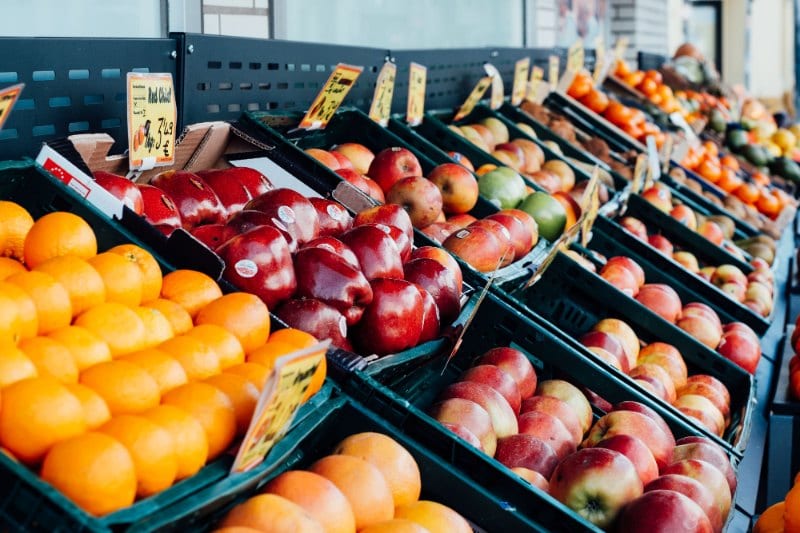
So, Singh launched a three-month trial asking local households to chip in a modest amount of $70 (C$100) a month. By combining those funds, he bypassed the retail middlemen and negotiated straight with nearby growers. His pitch to farms relied purely on volume. Singh hauled the bulk harvests back to a central drop-off spot where 160 enrolled families could pick up their share. The bulk discounts hit family budgets right away. Peaches that cost $3.51 (C$5) a pound in stores dropped to just $1.05 (C$1.50), while $2.81 (C$4) carrot bundles fell to only $0.88 (C$1.25).
For mother-of-four, Samantha Hickie, fresh fruit had become a rare treat because basic groceries ate up her budget. “I have four kids, so it's really hard to afford fresh fruit; it's just too much,” Hickie said. Nonetheless, shoppers were not the only ones walking away happy. Traditional wholesale buyers often squeeze farmers on margin. That left them with slim margins. But Singh's model paid farmers more than their usual wholesale cut while still beating retail prices. "So the farmer who is normally charging $1 is getting $1.50; they're excited," Singh said.
Building crews and expanding
Within a week of launching, the group buy sparked unexpected teamwork across the region. Neighbors in areas like Burnaby and Tri-Cities formed carpools to collect orders together instead of making separate drives. Participants like Stacey Brown noted how quickly strangers began helping each other out. “And it brings back that community, relying on your neighbors," Brown said. Right now, the pilot strictly covers seasonal fruits and vegetables. However, Singh said he hopes to expand and bring dairy and meat to his catalogue.
Rising food costs in America
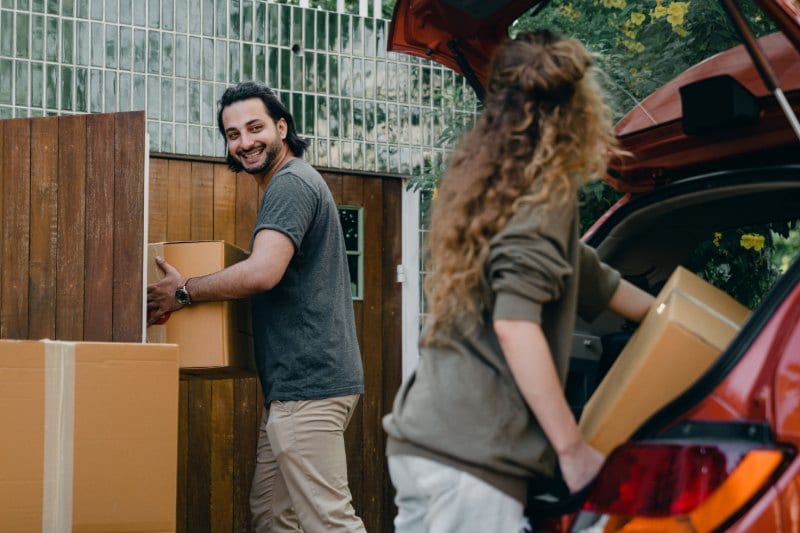
Canada isn't the only country that is being affected by rising food costs; U.S. consumers are also feeling the pressure. A Pew Research survey found that 90% of U.S. adults said healthy food had become more expensive in recent years, including 62% who said it had become a lot more expensive. Nearly seven in 10 said those higher costs made it harder to eat healthy, while 62% said price was extremely or very important when deciding what food to buy.
Support from across borders


Singh's initiative has gained massive attention on social media. People took to the comment section of a post he shared to express their views. A concerned @naz.valla wrote, "Soon the government will say this is illegal." Meanwhile, @sterlingcrispin commented, "This is a great idea, but it’s gonna get so popular the people running it will need to hire help and expand into a bigger space. They’ll have to raise the prices a little to pay for those extra workers and overhead costs. Maybe even buy some delivery trucks and run some ads- oh, whoops…"
More on Scoop Upworthy
10 expenses that no longer make sense in today's economy due to rising cost of living
Chef's viral method promises to cut grocery expenses without compromising on food consumption
Man who reordered his grocery list from two years ago makes a startling discovery about inflation
 Share on Facebook