At 16, a queen was gifted a book about women betrayed by their lovers. Historians think they know why
This is one-of-its-kind manuscript that illustrates how the power was wielded to women in French court and their romantic infidelities

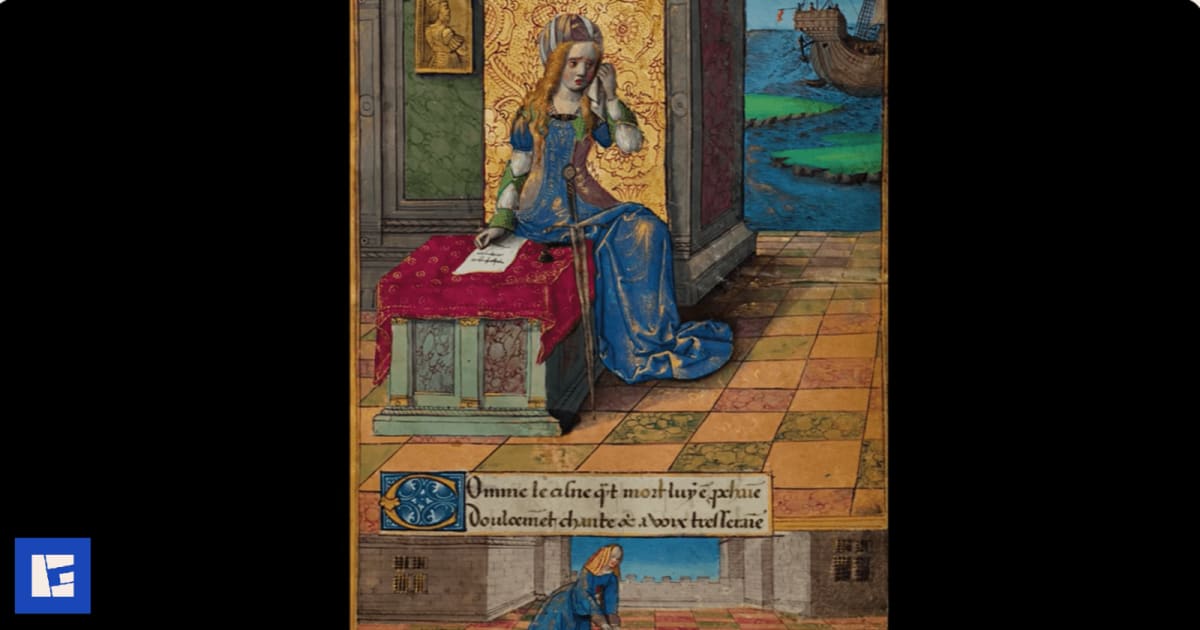
Around 533 years ago, Anne of Brittany, then a teenage queen of France, received an unusual manuscript filled with stories of women betrayed or abandoned by their lovers. Made around 1493, shortly after her marriage to King Charles VIII, the book was likely given to her as a wedding present. In a September 2, 2026, video by the Getty Museum, curator Larisa Grollemond explored how its illustrations also offer a striking view of female expression and authority in the 15th-century French court.
Through hardships
Anne of Brittany was the duchess of Brittany and queen of France. According to The Anne Boleyn Files, she was born on January 25th, 1477, at the Castle of Nantes in Brittany, to her parents Francis II, Duke of Brittany, and his second wife, Marguerite of Foix. At the age of 11, she became the Duchess of a weakened kingdom. By 1498, she was left without her family, with her parents and sister having passed away. In December 1491, she was forced to surrender her will to the French, Brittany, and get married at the age of 14.
The most bizarre wedding present
Shortly after her marriage, she was gifted this manuscript. According to Getty, the manuscript contains 15th-century poet Octovien de Saint-Gelais's French translations of five of Ovid's Heroides — imagined letters written from the perspectives of legendary women to the men who wronged them — along with three additional texts by Saint-Gelais discussing the qualities of an ideal woman. Although tales of abandoned and betrayed women might seem like an unusual wedding gift for a teenage bride, Getty notes that the manuscript's illustrations also give its heroines agency by allowing them to tell their own stories.
Story of an abandoned lover
One story centers on Dido, the legendary queen of Carthage, after Aeneas abandons her and sails away. The ancient illustration shows Dido holding a cloth to her red-rimmed eyes while his ship disappears in the background. Aeneas's sword lies before her as she writes with a golden quill, with a tiny inkpot beside her. According to Getty, the image emphasizes both the tragedy of Dido's fate and her attempt to record the story from her own perspective before taking her life.
Symbol of female power
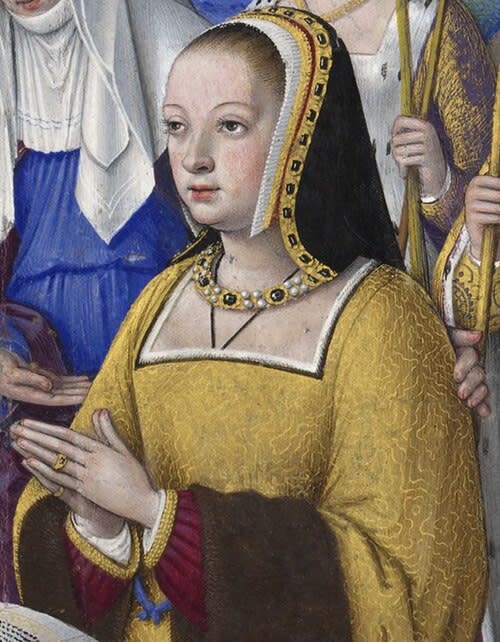
One of the most fascinating elements of this book remains another masterpiece of Queen Anne herself. The illustration zooms in on her rich red gown with golden detailing and her ladies-in-waiting. Getty says it is likely the “earliest image of her as Queen of France.” Overall, the manuscript is also the first in Getty’s collection to have been gifted to a royal French woman.
As for Queen Anne, after Charles VIII died in 1498, she later married his successor, Louis XII, becoming queen of France for a second time. Her life remained deeply shaped by dynastic politics and her determination to preserve Brittany's interests.
More on Scoop Upworthy
Why this 19th-century painting of two lovers' final goodbye is only displayed 2 hours a week
Man's epic struggle to crack woman’s number from a cryptic note is a modern love story in the making
25 remarkable historical artworks that substitute as perfect meme materials as well
 Share on Facebook


.jpg)